Standard Process Biofilm ProBalance Review
Introduction
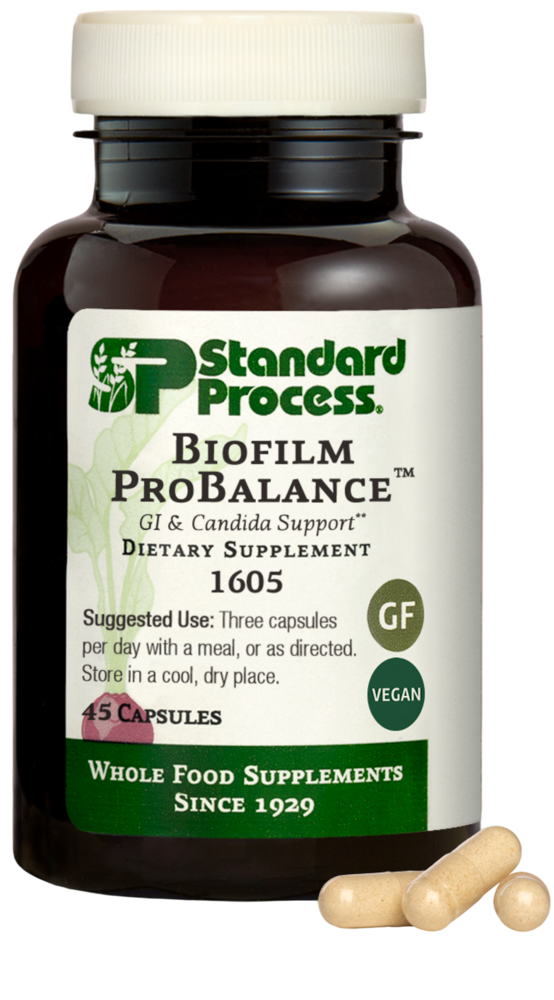
Standard Process Biofilm ProBalance represents a significant evolution in gut health supplementation — one that directly engages with one of the most clinically important and least discussed obstacles to microbiome restoration: the biofilm. For practitioners who work with patients suffering from chronic digestive dysfunction, the emergence of biofilm-targeting protocols has fundamentally changed what is possible in gut restoration, and Biofilm ProBalance brings this approach into a well-formulated, practitioner-grade whole food product.
A biofilm is a structured community of microorganisms — bacteria, fungi, or a mixture of both — encased within a self-produced extracellular polymeric matrix (EPS). This matrix, composed primarily of polysaccharides, proteins, DNA, and lipids, acts as a protective fortress that shields the microorganisms within it from the immune system, antimicrobial agents, and digestive enzymes. Biofilms are a survival strategy — when microorganisms exist in a biofilm, they can be up to 1,000 times more resistant to antibiotics and antifungals than the same organisms in free-floating (planktonic) form. In the gut, pathogenic biofilms formed by organisms such as Helicobacter pylori, Clostridioides difficile, Candida albicans, and various gram-negative enteric bacteria are a primary reason why these infections are so difficult to eradicate with conventional antimicrobial therapy alone.
The clinical implications of gut biofilms extend beyond acute infections. In patients with chronic small intestinal bacterial overgrowth (SIBO), inflammatory bowel conditions, chronic constipation, leaky gut syndrome, or recurrent candidiasis, biofilm formation by pathogenic or pathobiont organisms is frequently a contributing factor to the chronicity and treatment resistance of the condition. Probiotics and dietary changes alone cannot address established biofilms — the protective matrix must first be disrupted before beneficial microorganisms can compete for mucosal attachment sites and probiotic therapy can be effective.
This is the clinical gap that Biofilm ProBalance is designed to fill. It combines enzymes with biofilm matrix-disrupting activity — specifically targeting the polysaccharide and protein components of the EPS matrix — with probiotic bacterial strains and prebiotic nutritional support that facilitate beneficial microbiome recolonization once the biofilm matrix is compromised. The strategic logic of the formula is sequential: disrupt the biofilm first, then support the environment for beneficial organisms to establish themselves. This two-phase approach within a single formula distinguishes Biofilm ProBalance from generic probiotic supplements that lack the biofilm-targeting component entirely.
In my clinical practice, I encounter patients who have cycled through multiple rounds of probiotics, dietary interventions, and even pharmaceutical antimicrobials without achieving lasting resolution of their gut symptoms. For these patients, the missing link is frequently biofilm disruption. When I introduce Biofilm ProBalance as part of a structured gut restoration protocol, outcomes improve substantially — not because the product is miraculous, but because it addresses a fundamental obstacle to microbiome normalization that previous interventions failed to account for. This is a genuinely sophisticated gut health product that reflects an advanced understanding of intestinal microbiology.
Key Benefits of Biofilm ProBalance
- Biofilm matrix disruption: Enzyme complexes in the formula degrade the polysaccharide and protein components of microbial biofilm extracellular matrices, dismantling the protective structures that allow pathogenic organisms to persist in the gut and resist standard antimicrobial and probiotic interventions.
- SIBO and dysbiosis support: By disrupting the biofilm environments that allow bacterial overgrowth organisms to establish themselves in the small intestine, Biofilm ProBalance supports the efficacy of comprehensive SIBO treatment protocols. It is most effective when used as part of a structured antimicrobial and probiotic restoration program supervised by a qualified practitioner.
- Probiotic colonization enhancement: Once biofilm matrices are disrupted, beneficial probiotic organisms can more effectively compete for mucosal attachment sites in the intestinal lining. Biofilm ProBalance pairs biofilm disruption with probiotic delivery, capitalizing on the window of opportunity created by enzyme-mediated matrix degradation.
- Prebiotic support for microbiome diversity: Prebiotic fibers in the formula selectively nourish beneficial bacterial populations — particularly Lactobacillus and Bifidobacterium species — supporting the establishment of a diverse, resilient microbiome that is resistant to pathogenic re-colonization over time.
- Intestinal mucosal support: A healthy intestinal lining is both the environment in which the microbiome lives and the primary barrier separating the gut lumen from the bloodstream. Supporting mucosal integrity is a downstream benefit of reducing pathogenic biofilm burden and restoring beneficial microbial populations that produce butyrate and other short-chain fatty acids that nourish colonocytes.
- Immune system modulation: The gut microbiome is the largest immune organ in the body, with over 70% of immune tissue concentrated in the gut-associated lymphoid tissue (GALT). Restoring microbial balance through biofilm disruption and probiotic recolonization supports appropriate immune calibration, reducing the chronic low-grade intestinal immune activation associated with dysbiosis.
Ingredients
Biofilm ProBalance combines biofilm-disrupting enzymes, probiotic organisms, and prebiotic nutritional support in a comprehensive gut health formula:
- Biofilm-Disrupting Enzyme Complex: The enzyme component is the defining feature that separates Biofilm ProBalance from conventional probiotic supplements. Enzymes targeting polysaccharide and protein components of the biofilm extracellular matrix — including cellulase, protease, and other hydrolytic enzymes — work to degrade the structural integrity of pathogenic biofilm communities in the gut lumen and on mucosal surfaces.
- Lactobacillus acidophilus: A foundational probiotic species colonizing the small intestine, known for its lactic acid production (creating an acidic environment unfavorable to pathogenic organisms), adhesion to intestinal epithelial cells, and immune regulatory activity. L. acidophilus also produces bacteriocins — natural antimicrobial peptides that further inhibit pathogenic bacterial growth.
- Lactobacillus rhamnosus: One of the most extensively researched probiotic strains, with robust evidence for its role in intestinal infection prevention, diarrhea reduction, gut barrier function support, and immune modulation. L. rhamnosus is particularly noted for its ability to survive gastric transit and colonize the intestinal mucosa effectively.
- Bifidobacterium longum: A dominant probiotic species in the large intestine with significant roles in short-chain fatty acid (SCFA) production, immune regulation, and the competitive exclusion of pathogenic organisms from colonic mucosal surfaces. Bifidobacterium species are among the first beneficial organisms to be lost during antibiotic treatment or chronic dysbiosis.
- Prebiotic Fiber Complex: Prebiotic fibers selectively feed and support the probiotic bacterial populations in the formula and resident beneficial organisms in the gut. By providing fermentable substrate for Lactobacillus and Bifidobacterium species, the prebiotic component amplifies the colonization and metabolic activity of the probiotic strains included in the formula.
- Inulin and Fructooligosaccharides (FOS): Classical prebiotic fibers with extensive research supporting their selective stimulation of Bifidobacterium and Lactobacillus species in the large intestine. FOS are also fermented into short-chain fatty acids — primarily butyrate — that are the primary energy source for colonocytes and are critical for maintaining intestinal mucosal barrier integrity.
Get Biofilm ProBalance Today
Buy this product from our Fullscript store where you get free shipping and returns.
Potential Side Effects & Precautions
Biofilm ProBalance is generally well tolerated, but the following considerations are important — particularly given the nature of its biofilm-disrupting activity:
- A "die-off" or Herxheimer-like reaction may occur in the early weeks of use, as biofilm disruption releases the microbial contents of the matrix — including endotoxins and metabolic byproducts — into the gut lumen. Symptoms may include temporary increases in bloating, gas, fatigue, or mild flu-like feelings. These reactions typically resolve within one to two weeks and indicate that the biofilm disruption process is occurring as intended.
- Individuals with significant gut inflammation (active inflammatory bowel disease flare, severe leaky gut) should introduce Biofilm ProBalance cautiously and under practitioner supervision, as biofilm disruption and increased microbial antigen exposure can temporarily exacerbate intestinal immune activity.
- Enzyme-containing supplements should be used with caution by individuals with known enzyme sensitivities or those taking anticoagulant medications, as some proteolytic enzymes may have mild blood-thinning effects.
- Individuals who are immunocompromised (organ transplant recipients, patients on immunosuppressive therapy, those with advanced HIV/AIDS) should consult their physician before using live probiotic supplements, as probiotic bacteremia is a rare but documented risk in severely immunocompromised individuals.
- This product is best used as part of a comprehensive gut health protocol supervised by a qualified practitioner — its biofilm-disrupting activity is most effective and best tolerated when coordinated with dietary modifications and, when indicated, targeted antimicrobial therapy.
- Pregnant and breastfeeding women should consult their healthcare provider before beginning any gut health supplement protocol, including this formula.
Dr. Bell's Verdict
Standard Process Biofilm ProBalance is one of the most clinically sophisticated gut health products I have encountered in the practitioner supplement space, and it fills a genuine clinical need that most probiotic products entirely fail to address. The recognition that biofilm formation is a primary obstacle to successful gut microbiome restoration — and the integration of biofilm-disrupting enzymes with probiotic and prebiotic components in a single formula — reflects a meaningful advancement in the practical application of microbiome science.
My most compelling use cases for this product are patients with SIBO, recurrent Candida overgrowth, or post-antibiotic gut dysbiosis who have tried multiple rounds of probiotics without achieving lasting improvement. In these patients, the biofilm issue is almost always a contributing factor — pathogenic organisms have established protected communities that probiotics alone cannot displace. Introducing Biofilm ProBalance as the first phase of gut restoration, followed by targeted probiotic therapy and dietary restoration, produces substantially better outcomes than probiotic supplementation without prior biofilm disruption.
I do want to be clear that Biofilm ProBalance is not a supplement for casual, unsupervised use. Its biofilm-disrupting activity is genuine and can cause temporary symptom exacerbation as microbial content is released during matrix degradation. Patients need to be educated about this possibility, monitored during the initial weeks of use, and supported with appropriate adjunct strategies (adequate hydration, bowel regularity, hepatic support) to facilitate clearance of the released microbial content. Within a properly supervised protocol, however, this product has become one of my most valued tools for addressing the most challenging and refractory gut health presentations in my clinical practice.
Frequently Asked Questions
What exactly is a microbial biofilm and why does it matter in gut health?
A microbial biofilm is a structured community of microorganisms — bacteria, fungi, or mixtures of both — enclosed within a self-produced extracellular matrix of polysaccharides, proteins, extracellular DNA, and lipids. This matrix provides extraordinary protection against the immune system and antimicrobial agents, allowing the organisms within it to persist and thrive in environments (including the human gut) where they would otherwise be eliminated. In gut health, biofilms formed by pathogenic or pathobiont organisms such as H. pylori, C. albicans, Klebsiella, and various gram-negative enteric bacteria are a primary reason why chronic gut infections and dysbiosis are often treatment-resistant. Disrupting the biofilm matrix is a prerequisite for effectively clearing these organisms and establishing a healthier microbial balance.
Can I use Biofilm ProBalance as a standalone daily probiotic?
Biofilm ProBalance is more specialized than a general daily probiotic and is best used as part of a targeted gut restoration protocol rather than as an indefinite daily supplement. Its biofilm-disrupting enzyme component is particularly active and most appropriate for use in cycles (typically 4-8 weeks) as part of a structured protocol addressing active dysbiosis, SIBO, or post-antibiotic gut recovery. For long-term daily microbiome maintenance, a simpler probiotic formula without the enzyme component may be more appropriate once the acute dysbiosis has been addressed. I recommend discussing the timing and duration of Biofilm ProBalance use with a qualified practitioner who can assess your specific gut health status.
How does Biofilm ProBalance fit into a SIBO treatment protocol?
In SIBO treatment, Biofilm ProBalance is typically most valuable in two phases: first, during the antimicrobial phase (whether pharmaceutical or herbal), where biofilm disruption enhances the penetration of antimicrobial agents into biofilm communities harboring overgrowth organisms; and second, during the probiotic re-inoculation phase following antimicrobial treatment, where disrupting any residual biofilm matrices creates cleared mucosal territory for beneficial organisms to colonize. The specific sequencing and dosing should be coordinated with a practitioner experienced in SIBO management, as the protocol varies considerably depending on the type of SIBO (hydrogen, methane, or hydrogen sulfide dominant) and individual patient factors.
What symptoms suggest I might have a gut biofilm problem?
Patients with gut biofilm issues often share a characteristic clinical picture: digestive symptoms that partially improve with probiotics or dietary changes but never fully resolve; a history of multiple antibiotic courses with recurrent infections following each treatment; chronic bloating, gas, or irregular bowel habits that fluctuate without clear dietary triggers; previous diagnosis of H. pylori, SIBO, or Candida overgrowth that recurs after treatment; and persistent fatigue, brain fog, or immune dysfunction with a known gut component. If this pattern resonates with your experience, a comprehensive gut assessment — including functional stool testing — alongside a practitioner-supervised biofilm disruption protocol may be an important step in your recovery journey.
Where to Buy Biofilm ProBalance
Buy this product from our Fullscript store where you get free shipping and returns.