Standard Process Cal-Amo Review
Introduction
Acid-base balance is one of the most tightly regulated physiological parameters in the human body. The kidneys play a central role in this regulation, adjusting the acidity or alkalinity of urine to maintain systemic blood pH within its narrow healthy range. When urinary pH becomes persistently alkaline — a state that can result from dietary imbalances, kidney dysfunction, or chronic metabolic conditions — the risk of certain urinary tract infections and kidney stone formation increases, and the body may struggle to maintain optimal mineral homeostasis.
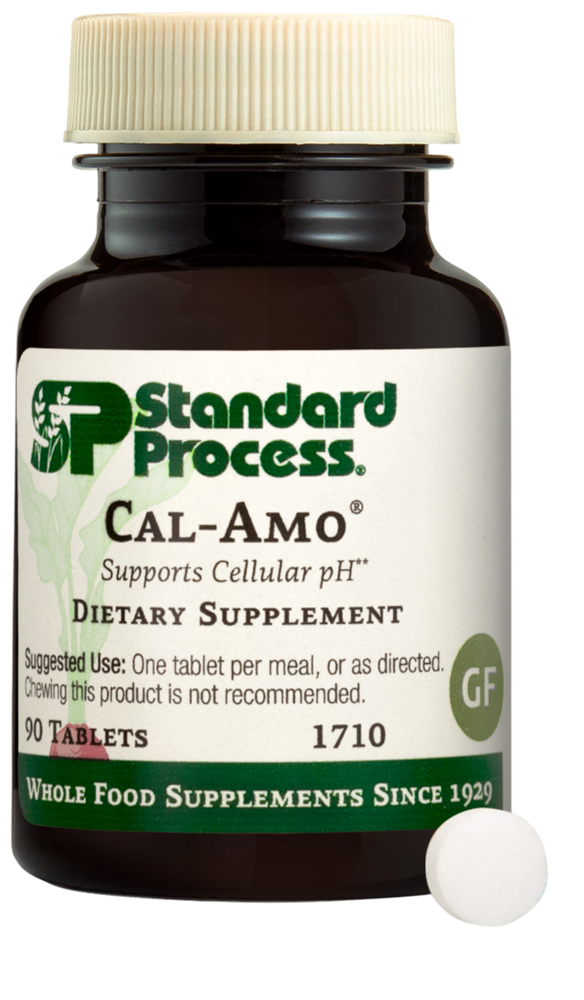
Standard Process Cal-Amo is designed to address this specific imbalance. The formula uses a combination of calcium lactate and ammonium chloride to gently promote urinary acidification, supporting the kidneys in maintaining a healthier pH environment. Unlike aggressive pharmaceutical acidifiers, Cal-Amo provides its active components in a whole food-compatible context, making it a gentler nutritional approach to urinary pH management.
In my practice, I use Cal-Amo selectively for patients in whom urinary pH testing reveals persistent alkalinity or who present with recurrent urinary tract discomfort that appears to be pH-related. It is a targeted, functional formula rather than a broad-spectrum supplement, and its appropriate use requires clinical assessment. When used correctly, it provides meaningful support for renal acid-base regulation and urinary tract health.
Key Benefits of Cal-Amo
- Urinary pH acidification: Cal-Amo's ammonium chloride component directly supports the acidification of urine, helping shift an overly alkaline urinary environment toward a more physiologically optimal pH. A moderately acidic urinary pH inhibits the growth of many bacteria associated with urinary tract infections and reduces the precipitation of certain kidney stones.
- Kidney acid-base balance support: By providing the building blocks for renal acidification pathways, Cal-Amo helps the kidneys maintain their regulatory function more effectively. This is especially relevant in conditions where renal tubular acidification is compromised or overwhelmed by dietary or metabolic alkaline loads.
- Calcium lactate for mineralization and buffering: The calcium lactate in Cal-Amo provides a highly bioavailable form of calcium that participates in the body's broader acid-base buffering systems. Calcium plays a role in buffering excess alkalinity and supporting the mineralization of bone tissue simultaneously.
- Support for recurrent urinary tract concerns: Persistent alkaline urine creates a favorable environment for bacterial colonization in the urinary tract. By acidifying urinary pH, Cal-Amo creates a less hospitable environment for common urinary pathogens, providing a nutritional adjunct to standard urinary tract health protocols.
- Whole food-based formulation: Cal-Amo delivers its active components without synthetic acidifiers or harsh chemical compounds. The whole food-compatible formulation supports the body's natural regulatory mechanisms rather than overriding them, reducing the risk of rebound alkalosis or iatrogenic pH imbalances.
Ingredients
Cal-Amo uses a focused two-component formula to deliver targeted urinary pH and acid-base support:
- Ammonium Chloride: The primary urinary acidifying agent. When metabolized, ammonium chloride generates hydrochloric acid, which is excreted by the kidneys, lowering urinary pH. This mechanism is well understood physiologically and has been used clinically for urinary acidification for decades. Standard Process uses this in a carefully dosed, whole food-compatible context.
- Calcium Lactate: A highly bioavailable form of calcium that participates in the body's acid-base buffering system. Calcium lactate is better absorbed than calcium carbonate or many other calcium salts and contributes to both mineral repletion and the maintenance of systemic pH balance through its buffering activity.
- Calcium Stearate (from palm): Used as a tableting agent to ensure consistent tablet formation and stability. Present in small amounts and does not contribute meaningfully to the formula's therapeutic activity.
- Cellulose: Used as a tableting excipient to provide the tablet matrix structure. Cellulose is an inert, non-absorbable fiber that passes through the digestive system without contribution to the formula's pharmacological action.
Get Cal-Amo Today
Don't overpay on Amazon! Buy Cal-Amo directly from Dr. Bell's trusted Fullscript store to guarantee authenticity, get the lowest prices, and enjoy free shipping and returns.
Potential Side Effects & Precautions
Cal-Amo is a targeted formula with important precautions to consider before use:
- Cal-Amo is not appropriate for self-directed use without clinical oversight. Urinary pH should be tested before initiating the protocol, and periodic monitoring is necessary during use to avoid over-acidification of the urinary environment or systemic acidosis.
- Individuals with kidney disease, liver disease, or metabolic acidosis should not use Cal-Amo without direct supervision from their healthcare provider. Ammonium chloride metabolism places a burden on both hepatic and renal detoxification pathways.
- Gastrointestinal irritation, nausea, or discomfort can occur with ammonium chloride supplementation, particularly at higher doses. Taking Cal-Amo with food typically reduces this risk.
Dr. Bell's Verdict
Cal-Amo occupies a unique niche in the Standard Process catalog as a highly targeted acid-base modulator. It is not a product I recommend broadly, but for the specific patient presentation it addresses — chronic alkaline urinary pH, recurrent urinary tract discomfort related to pH imbalance, or systemic alkalosis — it provides a clinically meaningful nutritional intervention that few other products can replicate.
What I appreciate most about Cal-Amo is its precision. The combination of ammonium chloride for urinary acidification and calcium lactate for buffered mineral support is well-conceived from a physiological standpoint. It addresses the mechanism of urinary pH dysregulation directly rather than adding layers of herbs or extracts that may not address the core biochemical imbalance.
For practitioners who routinely test urinary pH as part of their functional health assessments, Cal-Amo is a valuable clinical tool. Used with appropriate monitoring and under proper clinical guidance, it is a safe and effective approach to urinary pH optimization that I have employed with positive outcomes in my practice.
Frequently Asked Questions
What does Cal-Amo do for the body?
Cal-Amo helps acidify urinary pH and support the body's overall acid-base balance. It uses ammonium chloride and calcium lactate to promote a more acidic urinary environment, which can be beneficial for individuals with overly alkaline urine, recurrent urinary tract discomfort, or systemic alkalosis. Its targeted action makes it a specialized clinical tool rather than a general wellness supplement.
How is Cal-Amo different from other calcium supplements?
Cal-Amo is not primarily a calcium supplement — it is an acid-base modulator. While it contains calcium lactate, its key active component for urinary pH support is ammonium chloride, which promotes urinary acidification. This distinguishes it fundamentally from products like Calcium Lactate tablets, which are designed primarily for calcium repletion and bone mineral support.
Who should consider using Cal-Amo?
Cal-Amo is best suited for individuals with documented alkaline urinary pH, recurrent urinary tract issues, or conditions where systemic alkalosis is a contributing factor. It should always be used under the guidance of a qualified healthcare provider who can test urinary pH and monitor the body's response. It is not intended for general supplementation or self-directed use.
Can Cal-Amo be taken long term?
Long-term use should be supervised by a healthcare provider with periodic monitoring of urinary pH and kidney function markers. Excessive or prolonged acidification of urine can lead to systemic acidosis or other mineral imbalances. Cal-Amo is typically used as a targeted short-to-medium term intervention rather than an indefinite maintenance supplement.
Where to Buy Cal-Amo
Don't overpay on Amazon! Buy Cal-Amo directly from Dr. Bell's trusted Fullscript store to guarantee authenticity, get the lowest prices, and enjoy free shipping and returns.