Cataplex A-C-P Review
Introduction
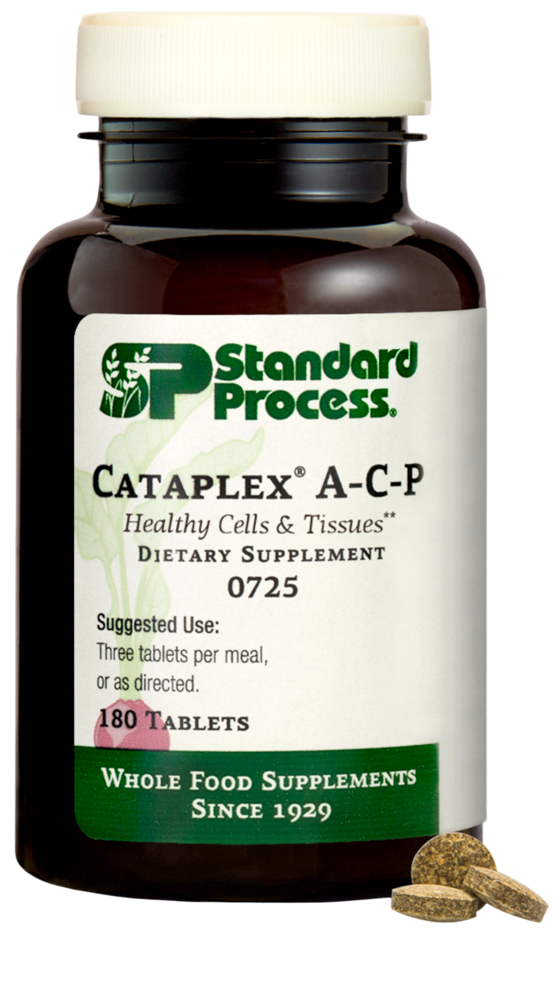
As a chiropractor and nutritional specialist, I frequently evaluate whole-food supplements for their clinical utility in supporting immune resilience, tissue repair, and vascular integrity. Cataplex A-C-P by Standard Process is one of the more nuanced products in the Standard Process catalog, combining three synergistic nutritional complexes — vitamin A, the full vitamin C complex (including bioflavonoids), and vitamin P — in their whole-food forms rather than as isolated synthetic nutrients. This formulation philosophy reflects the company's foundational belief that nutrients work best in concert with their naturally occurring cofactors.
What distinguishes Cataplex A-C-P from a standard vitamin A or C supplement is the deliberate inclusion of vitamin P, a term historically used to describe bioflavonoids such as rutin and hesperidin. These compounds were originally recognized by Nobel laureate Albert Szent-Györgyi as essential partners to vitamin C in maintaining capillary permeability and reducing vascular fragility. The combination creates a clinically meaningful triad that addresses oxidative stress, mucosal immunity, and structural integrity of connective tissue simultaneously.
In my practice, I reach for Cataplex A-C-P when patients present with recurring infections, slow wound healing, easy bruising, or signs of capillary fragility — all of which can indicate deficiencies across the A-C-P nutritional spectrum. The whole-food sourcing means patients are receiving not just isolated vitamins but the associated enzymes, phytonutrients, and mineral cofactors that enhance bioavailability and physiological activity. This is a clinically important distinction, particularly for patients with digestive compromise or absorption issues.
Key Benefits of Cataplex A-C-P
- Immune System Modulation: Vitamin A is critical for maintaining the integrity of mucosal epithelial barriers — the first line of defense against pathogens in the respiratory, gastrointestinal, and urinary tracts. When combined with the ascorbic acid complex, this product supports both innate and adaptive immune responses, including neutrophil function and antibody production.
- Capillary and Vascular Integrity: The vitamin P bioflavonoids in this formula — particularly rutin and hesperidin — work synergistically with vitamin C to reinforce capillary wall strength and reduce excessive permeability. Clinically, this translates to reduced bruising, less vascular fragility, and improved microcirculation in patients with connective tissue weakness.
- Antioxidant Defense and Oxidative Stress Reduction: Ascorbic acid is one of the most well-researched water-soluble antioxidants, capable of scavenging reactive oxygen species and regenerating other antioxidants such as vitamin E. In its whole-food form as presented in this product, it is accompanied by cofactors that enhance its reducing capacity at the cellular level.
- Connective Tissue Synthesis and Wound Healing: Vitamin C is an obligate cofactor for prolyl and lysyl hydroxylase enzymes required in collagen cross-linking, making it indispensable for wound repair, tendon health, and cartilage maintenance. Vitamin A further supports fibroblast activity and epithelial regeneration, creating a complementary environment for tissue remodeling.
- Mucosal Barrier Support and Respiratory Health: Vitamin A regulates the differentiation of mucosal epithelial cells and supports the production of secretory IgA, a key immunoglobulin that lines mucosal surfaces. This makes the product particularly relevant during periods of respiratory vulnerability, seasonal immune challenges, or recovery from upper respiratory infections.
Ingredients
Cataplex A-C-P is built on a focused whole food ingredient base:
- Vitamin A (as Beta-Carotene and Retinyl Palmitate from Whole Food Sources): Supports epithelial cell differentiation, mucosal immunity, and retinal function. In whole-food form, it is accompanied by carotenoid cofactors that modulate conversion to retinol based on physiological need, reducing toxicity risk compared to isolated high-dose retinol.
- Ascorbic Acid Complex (Whole Food Vitamin C): Provides vitamin C in its complete nutritional complex including tyrosinase, ascorbigen, and associated phytonutrients from sources such as buckwheat juice and other plant concentrates. This form is clinically distinct from synthetic ascorbic acid in its cofactor completeness and enzymatic activity.
- Vitamin P (Bioflavonoids — Rutin, Hesperidin): Bioflavonoids categorized as vitamin P reinforce capillary integrity by inhibiting hyaluronidase, the enzyme that degrades hyaluronic acid in vessel walls. They also possess anti-inflammatory and antioxidant properties that complement the ascorbic acid complex, particularly in vascular and mucosal tissue.
- Whole Food Concentrate Base (Buckwheat, Carrot, Alfalfa, Bovine Liver): The proprietary whole-food base provides naturally occurring mineral cofactors, enzymes, and phytonutrient synergists that support nutrient absorption and utilization. Liver concentrate in particular contributes preformed vitamin A, B12, and trace minerals that support metabolic function and antioxidant enzyme systems.
Get Cataplex A-C-P Today
Don't overpay on Amazon! Buy Cataplex A-C-P directly from Dr. Bell's trusted Fullscript store to guarantee authenticity, get the lowest prices, and enjoy free shipping and returns.
Potential Side Effects & Precautions
Cataplex A-C-P is generally well tolerated, but consider the following:
- Cataplex A-C-P is generally well tolerated in the recommended dosage range, particularly because the vitamin A is delivered in a whole-food complex with conversion modulation built in. However, patients with hypervitaminosis A risk factors — such as those taking high-dose isolated vitamin A supplements concurrently or with significant liver compromise — should be monitored, as preformed retinol from liver concentrate does contribute to total vitamin A load.
- High doses of ascorbic acid, even in whole-food forms, can cause loose stools or gastrointestinal discomfort in sensitive individuals, particularly those with irritable bowel syndrome or a history of oxalate kidney stones. I recommend starting at the lower end of the dosage range and titrating up based on bowel tolerance, and advise patients with a history of calcium oxalate stones to consult with their physician before use.
- Bioflavonoids such as rutin and hesperidin are well tolerated in food amounts, but in supplement concentrations they may interact with certain medications including anticoagulants (warfarin), certain statins, and cytochrome P450-metabolized drugs by modestly inhibiting drug metabolism pathways. Patients on polypharmacy protocols should disclose all supplements to their prescribing physician.
- Pregnant women should exercise caution with any supplement containing preformed vitamin A (retinol), as excessive intake has been associated with teratogenic risk during the first trimester. While the doses in Cataplex A-C-P are modest, I advise pregnant patients to confirm appropriateness with their OB-GYN before using this or any vitamin A-containing supplement.
The Science Behind It
Peer-reviewed research on key ingredients and mechanisms relevant to Cataplex A-C-P:
Vitamin A supplementation for reducing the risk of mother-to-child transmission of HIV infection
This review highlights vitamin A's critical role in mucosal immune defense and epithelial barrier integrity. The findings underscore the immunological importance of adequate vitamin A status in maintaining first-line mucosal defenses, directly relevant to Cataplex A-C-P's mucosal support claims.
Vitamin C and immune function
Published in Nutrients (2017), this comprehensive review by Carr and Maggini details vitamin C's roles in supporting epithelial barrier function, neutrophil chemotaxis, and lymphocyte proliferation. The study reinforces the clinical rationale for vitamin C complex supplementation in immune resilience and infection prevention.
Hesperidin and rutin, plant bioflavonoids, decrease capillary permeability in arterioles and venules in rats
This study demonstrated that rutin and hesperidin — the primary bioflavonoids comprising vitamin P — significantly reduce capillary permeability and fragility in vivo. These findings directly support the inclusion of vitamin P in Cataplex A-C-P for patients with vascular fragility and bruising.
Collagen synthesis and vitamin C: ascorbate is essential for prolyl hydroxylase activity
This foundational biochemistry study confirms that ascorbic acid is an obligate cofactor for prolyl and lysyl hydroxylase enzymes required in collagen biosynthesis and cross-linking. This mechanistic evidence directly validates the use of vitamin C complex in wound healing, connective tissue repair, and musculoskeletal recovery applications.
Dr. Bell's Verdict
Cataplex A-C-P earns a high recommendation in my clinical toolkit for patients presenting with immune vulnerability, connective tissue compromise, easy bruising, or recurrent mucosal infections. The whole-food formulation philosophy ensures that the A, C, and P fractions arrive with their natural cofactor matrix intact — a meaningful clinical advantage over synthetic single-nutrient alternatives. It is particularly well-suited for short-term immune support protocols, post-infectious recovery phases, and patients with signs of subclinical vitamin A or C insufficiency.
Where this product shines most is in its elegant synergy — three nutritional complexes that each reinforce the others' mechanisms of action at the mucosal, vascular, and cellular levels. I would not use it as a standalone megadose immune product, but as part of a broader whole-food nutritional protocol it is difficult to surpass. For clinicians looking for a reliable, research-aligned, and patient-tolerable immune and connective tissue support formula, Cataplex A-C-P represents sound formulation science backed by decades of clinical use.
Frequently Asked Questions
How is Cataplex A-C-P different from taking separate vitamin A and vitamin C supplements?
The key difference lies in the whole-food matrix and the inclusion of vitamin P bioflavonoids. Synthetic isolated vitamin A and C lack the naturally occurring cofactors — enzymes, phytonutrients, and mineral activators — that enhance bioavailability and physiological function. Cataplex A-C-P delivers all three nutritional complexes together in forms that mirror how they appear in food, which creates synergistic activity not achievable with isolated nutrient stacking.
Who is the ideal patient for Cataplex A-C-P?
In my practice, ideal candidates include patients with frequent upper respiratory infections, slow wound healing, easy bruising or capillary fragility, dry mucosal membranes, or those recovering from illness. It is also beneficial for individuals under high oxidative stress loads — such as athletes, smokers, or those with high inflammatory burden — who have increased metabolic demands for antioxidant vitamins A and C.
Can Cataplex A-C-P be taken long-term?
For most patients, short-to-medium term use of 1-3 months is appropriate for acute immune or tissue-repair support, after which I reassess nutritional status and adjust accordingly. Long-term use is reasonable at maintenance dosing for patients with documented insufficiency or ongoing high physiological demands, but periodic monitoring is recommended given the cumulative nature of fat-soluble vitamin A.
Is Cataplex A-C-P appropriate during cold and flu season for prevention?
Yes, it is one of my preferred whole-food supplements for seasonal immune preparedness. The combination of mucosal-barrier-supporting vitamin A, antioxidant and immune-stimulating vitamin C complex, and capillary-protecting bioflavonoids creates a three-pronged defense strategy relevant to both preventing infection and supporting recovery. I typically recommend it as part of a broader seasonal protocol alongside probiotics and vitamin D.
Where to Buy Cataplex A-C-P
Don't overpay on Amazon! Buy Cataplex A-C-P directly from Dr. Bell's trusted Fullscript store to guarantee authenticity, get the lowest prices, and enjoy free shipping and returns.