Cataplex D Review
Introduction
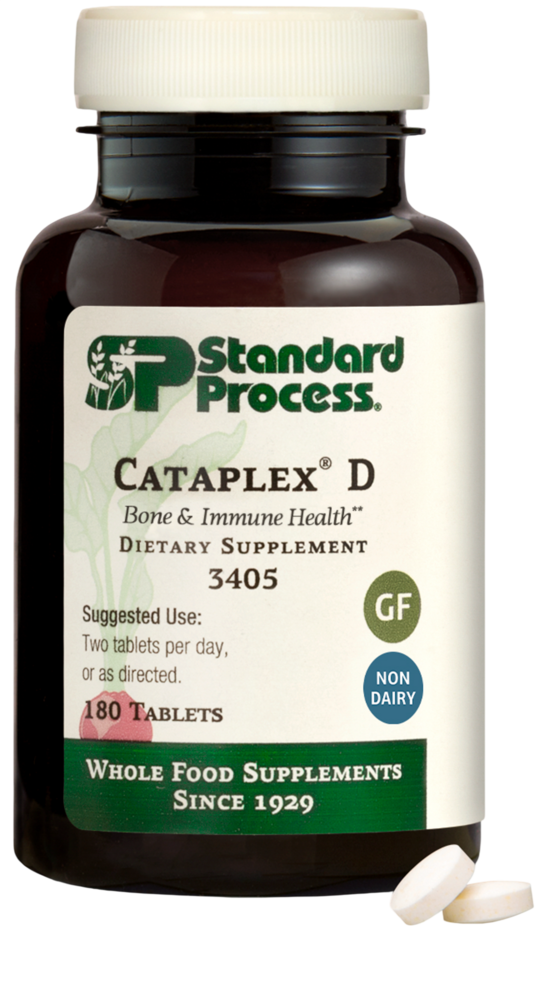
Cataplex D is one of Standard Process's foundational supplements, and it has been part of whole-food nutritional therapy for decades. Unlike conventional vitamin D supplements that rely solely on isolated cholecalciferol (D3) or ergocalciferol (D2), Cataplex D is formulated around the concept of the 'vitamin D complex' — meaning it delivers vitamin D activity alongside the cofactors and synergists found naturally in whole foods. This matters clinically because isolated nutrients often fail to produce the same biological outcomes as their food-matrix counterparts.
The product draws its vitamin D content primarily from cod liver oil and bovine liver, both of which have been used therapeutically for centuries in traditional medical systems. Cod liver oil is particularly notable because it provides naturally occurring vitamin D in the same lipid environment in which it is absorbed in nature, alongside vitamin A and essential fatty acids that modulate D's receptor activity. Standard Process argues — and I largely agree — that this co-delivery of nutrients more closely mirrors how our bodies evolved to receive vitamin D through sunlight and diet.
In my practice, I most commonly recommend Cataplex D for patients presenting with immune suppression, seasonal illness susceptibility, low 25-hydroxyvitamin D serum levels, musculoskeletal pain, and poor calcium utilization. It is also a go-to for patients who cannot tolerate high-dose isolated D3 supplementation, which can occasionally cause side effects in sensitive individuals when cofactors are absent. The whole-food matrix in Cataplex D tends to be better tolerated and, in my clinical observation, often produces more stable improvements in serum vitamin D levels over time.
Key Benefits of Cataplex D
- Immune System Regulation: Vitamin D receptors (VDRs) are expressed on virtually every immune cell, and adequate vitamin D signaling is essential for both innate and adaptive immune responses. Cataplex D supports this pathway using whole-food-derived vitamin D cofactors that help modulate inflammatory cytokine production and enhance pathogen defense.
- Calcium Absorption and Bone Metabolism: Vitamin D is the master regulator of intestinal calcium absorption, working in concert with parathyroid hormone to maintain serum calcium homeostasis and direct mineral deposition into bone. Cataplex D's whole-food matrix supports this process with naturally occurring cofactors that enhance calcium bioavailability and skeletal mineralization.
- Musculoskeletal Pain and Neuromuscular Function: Vitamin D deficiency is strongly associated with nonspecific musculoskeletal pain, muscle weakness, and impaired neuromuscular coordination — conditions I encounter frequently in my chiropractic practice. Restoring adequate vitamin D levels through a bioavailable whole-food source like Cataplex D often correlates with meaningful reductions in these symptoms.
- Mood and Neurological Support: Emerging research demonstrates that VDRs are expressed throughout the brain, including in areas governing mood regulation, cognitive function, and neuroprotection. Adequate vitamin D status is associated with reduced risk of depression, seasonal affective disorder, and cognitive decline, making Cataplex D a useful adjunct in patients with mood-related presentations.
- Cardiovascular and Metabolic Health: Vitamin D plays a regulatory role in renin-angiotensin system activity, endothelial function, and insulin sensitivity — all critical cardiovascular and metabolic parameters. The cofactors delivered in Cataplex D's whole-food complex, including naturally occurring fatty acids from cod liver oil, provide additional cardioprotective benefits beyond vitamin D alone.
Ingredients
Cataplex D is built on a focused whole food ingredient base:
- Cod Liver Oil: A rich natural source of fat-soluble vitamin D and vitamin A delivered in a triglyceride lipid matrix that closely mimics dietary absorption. The co-presence of vitamin A with vitamin D is clinically important because these two fat-soluble vitamins compete for and complement each other's receptor activity, helping to prevent toxicity and optimize gene expression.
- Bovine Liver: Provides a concentrated whole-food source of vitamin D activity alongside heme iron, B vitamins, and enzymatic cofactors that support vitamin D metabolism and utilization. Liver has historically been one of the most potent dietary sources of fat-soluble vitamins, and its inclusion grounds Cataplex D in a genuinely food-based nutritional framework.
- Calcium Lactate: A highly bioavailable form of calcium that works synergistically with vitamin D to support mineralization of bone and teeth, as well as nerve and muscle function. Calcium lactate is less likely to cause gastrointestinal upset compared to calcium carbonate and is absorbed efficiently even in patients with reduced stomach acid.
- Nutritional Yeast (Dried): Contributes naturally occurring B vitamins, amino acids, and trace minerals that function as enzymatic cofactors in vitamin D metabolism, including the hepatic and renal hydroxylation steps that convert precursor vitamin D into its active 1,25-dihydroxyvitamin D (calcitriol) form. This ingredient exemplifies Standard Process's commitment to delivering nutrients within a whole-food cofactor ecosystem.
Get Cataplex D Today
Don't overpay on Amazon! Buy Cataplex D directly from Dr. Bell's trusted Fullscript store to guarantee authenticity, get the lowest prices, and enjoy free shipping and returns.
Potential Side Effects & Precautions
Cataplex D is generally well tolerated, but consider the following:
- Cataplex D is generally very well tolerated when used at recommended doses, and the whole-food matrix significantly reduces the risk of side effects commonly associated with high-dose isolated vitamin D supplementation, such as hypercalcemia or nausea. That said, I always advise patients to take fat-soluble vitamin supplements with a meal containing healthy fats to optimize absorption and minimize any potential digestive discomfort.
- Patients with hypercalcemia, hyperparathyroidism, sarcoidosis, or granulomatous conditions should exercise caution with any vitamin D-containing product, including Cataplex D, as these conditions can cause abnormal sensitivity to vitamin D's effects on calcium metabolism. I recommend baseline and follow-up 25-OH vitamin D and calcium serum testing for patients in these categories.
- Because Cataplex D contains cod liver oil, individuals with fish or shellfish allergies should consult their healthcare provider before use. Additionally, the naturally occurring vitamin A content from cod liver oil means that pregnant women should confirm with their OB that total vitamin A intake from all sources remains within safe prenatal parameters.
- Drug interactions are generally minimal but worth noting: vitamin D can enhance the effects of calcium channel blockers, and thiazide diuretics used in combination with vitamin D may increase the risk of hypercalcemia in susceptible individuals. I routinely review the full medication list before recommending Cataplex D to patients on cardiac or diuretic medications.
The Science Behind It
Peer-reviewed research on key ingredients and mechanisms relevant to Cataplex D:
Vitamin D supplementation to prevent acute respiratory tract infections: systematic review and meta-analysis of individual participant data
This landmark BMJ meta-analysis of 25 randomized controlled trials found that vitamin D supplementation significantly reduced the risk of acute respiratory infections, with the greatest benefit observed in individuals who were severely deficient at baseline. The findings directly support the use of vitamin D complexes like Cataplex D for immune protection, particularly during high-risk seasonal periods.
Vitamin D and calcium supplementation reduces cancer risk: results of a randomized trial
This four-year randomized controlled trial demonstrated that calcium combined with vitamin D supplementation significantly reduced all-cancer risk compared to placebo, underscoring the clinical importance of co-delivering these nutrients. The synergistic relationship between calcium and vitamin D reflected in this study aligns well with Cataplex D's formulation strategy.
Vitamin D deficiency and depression in adults: systematic review and meta-analysis
This systematic review found a significant association between low vitamin D status and depression across multiple population studies, supporting the neurological and mood-related applications of vitamin D supplementation. These findings are clinically relevant when considering Cataplex D as part of an integrative approach to mood and neurological support.
Cod liver oil as an anti-inflammatory agent and its role in vitamin A and D delivery
This study examined the anti-inflammatory properties of cod liver oil and confirmed its role as an effective natural delivery vehicle for both vitamins A and D, demonstrating reductions in inflammatory markers in treated subjects. The research validates the inclusion of cod liver oil as a primary ingredient in Cataplex D, supporting both its anti-inflammatory and fat-soluble vitamin delivery functions.
Dr. Bell's Verdict
Cataplex D stands out in the crowded vitamin D supplement market precisely because it refuses to reduce vitamin D to a single isolated molecule. The inclusion of cod liver oil, bovine liver, and nutritional yeast creates a synergistic nutrient environment that more faithfully reflects how our bodies evolved to receive and utilize vitamin D — and in my clinical experience, this translates into better patient outcomes, particularly for those with stubborn vitamin D insufficiency who have not responded well to high-dose isolated D3 protocols.
I confidently recommend Cataplex D as a foundational immune, bone, and musculoskeletal support supplement for the appropriate patient. It is not a replacement for high-dose therapeutic vitamin D3 in cases of severe deficiency requiring rapid repletion, but for long-term maintenance, immune support, and patients sensitive to synthetic isolates, it is among the best whole-food vitamin D complexes available. I give it a strong clinical endorsement with the standard caveat that all supplementation should be guided by serum testing and professional oversight.
Frequently Asked Questions
How is Cataplex D different from a standard vitamin D3 supplement?
Standard vitamin D3 supplements deliver isolated cholecalciferol, often at high doses, without the cofactors that naturally accompany vitamin D in food. Cataplex D provides vitamin D activity within a whole-food matrix — cod liver oil, bovine liver, nutritional yeast — that includes naturally occurring vitamins A and B, fatty acids, and trace minerals. This cofactor ecosystem supports proper vitamin D metabolism, receptor binding, and gene expression in ways that isolated D3 cannot replicate alone.
Will Cataplex D raise my serum 25-OH vitamin D levels?
Yes, Cataplex D can raise serum 25-hydroxyvitamin D levels, though the rate of increase may be more gradual compared to high-dose isolated D3 supplementation. In my clinical practice, I use it primarily for maintenance and long-term support rather than rapid repletion of severe deficiency. For patients with very low starting levels (below 20 ng/mL), I may combine it with therapeutic D3 initially, then transition to Cataplex D for ongoing maintenance once levels are normalized.
Can I take Cataplex D alongside other Standard Process supplements?
Yes, Cataplex D is commonly used alongside other Standard Process products such as Cataplex F (which provides essential fatty acids that help transport fat-soluble vitamins), Calcium Lactate, and Immuplex. However, be mindful of total vitamin A intake if you are stacking multiple cod-liver-oil-containing products. I always perform a full supplement audit with patients to ensure they are not inadvertently over-supplementing fat-soluble vitamins.
How long should I take Cataplex D before expecting results?
Most patients begin to notice improvements in energy, mood, and immune resilience within four to eight weeks of consistent use, though musculoskeletal and bone health benefits may require three to six months of sustained supplementation. I recommend retesting serum 25-OH vitamin D levels at 90 days to objectively assess progress and adjust the protocol accordingly. As with all nutritional interventions, consistency and dietary quality significantly influence outcomes.
Where to Buy Cataplex D
Don't overpay on Amazon! Buy Cataplex D directly from Dr. Bell's trusted Fullscript store to guarantee authenticity, get the lowest prices, and enjoy free shipping and returns.