Cholaplex Review
Introduction
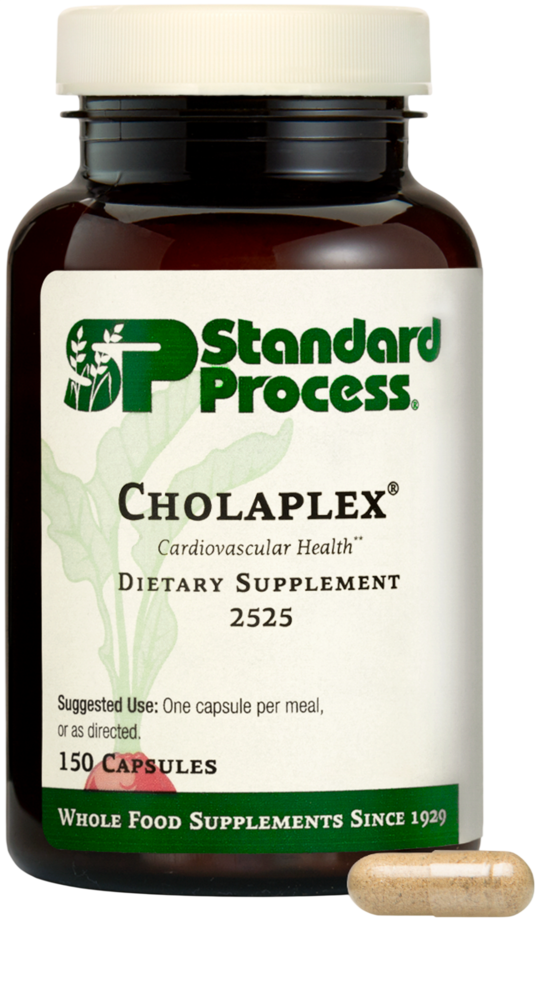
As a chiropractor with extensive training in clinical nutrition, I see a significant number of patients whose digestive complaints trace back not to the stomach or intestines, but to inadequate bile production and impaired gallbladder motility. Cholaplex is a professional-grade supplement formulated specifically to address this underappreciated bottleneck in digestion. Its ingredient profile targets the liver-gallbladder axis with a combination of bile salts, cholagogue botanicals, and lipase enzymes.
Bile is far more than a simple fat-digestion aid — it is a critical vehicle for eliminating toxins, metabolizing hormones, and maintaining the integrity of the enterohepatic circulation. When bile becomes thick, sluggish, or insufficient, patients often experience bloating after fatty meals, pale stools, right-shoulder referred pain, and poor absorption of fat-soluble vitamins A, D, E, and K. Cholaplex is designed to interrupt this cascade at multiple mechanistic points simultaneously.
What distinguishes Cholaplex from generic digestive enzyme blends is its deliberate focus on bile acid physiology rather than broad-spectrum enzyme replacement. By supplying exogenous bile salts alongside botanical choleretics and cholagogues, the formula supports both the production of bile in the liver and its timely release from the gallbladder. In my clinical experience, this dual-action approach produces more meaningful symptomatic improvement than enzyme-only formulas, particularly for patients who have had their gallbladder removed.
Key Benefits of Cholaplex
- Enhanced Bile Flow and Gallbladder Motility: Cholaplex contains cholagogue and choleretic agents that stimulate both bile synthesis in hepatocytes and the contractile release of bile from the gallbladder. This directly addresses the root cause of post-meal bloating, upper right quadrant discomfort, and fatty food intolerance.
- Improved Fat and Fat-Soluble Vitamin Absorption: By supplying exogenous bile salts, Cholaplex restores the critical micellarization step that allows dietary fats and fat-soluble vitamins to cross the intestinal brush border. Patients with biliary insufficiency frequently exhibit subclinical deficiencies in vitamins D, K2, and A that normalize with proper bile acid support.
- Liver Detoxification and Phase II Support: Several botanical components in Cholaplex — particularly those with silymarin and berberine-like activity — upregulate hepatic Phase II conjugation pathways, enhancing the liver's capacity to package and excrete endogenous toxins, excess estrogens, and xenobiotics via bile. This makes the formula highly relevant for patients with hormonal imbalance or environmental toxic burden.
- Relief from Post-Cholecystectomy Syndrome: Patients who have undergone cholecystectomy lose the reservoir function of the gallbladder, resulting in a continuous low-volume trickle of bile that is poorly matched to meal timing. Cholaplex compensates by providing pre-formed bile salts that augment this insufficient output, substantially reducing the diarrhea, fat malabsorption, and bloating common in this population.
- Reduction of Biliary Sludge and Lithogenic Risk: Taurine conjugation of bile acids, supported by taurine supplementation within the formula, increases bile acid solubility and reduces the cholesterol saturation index that drives gallstone formation. Regular use may help prevent the recurrence of biliary sludge in susceptible individuals, particularly those on low-fat diets or rapid weight-loss protocols.
Ingredients
Cholaplex is built on a focused whole food ingredient base:
- Ox Bile Extract (500 mg): Provides a concentrated source of conjugated bile acids — primarily taurocholic and glycocholic acid — that directly supplement endogenous bile output. These exogenous bile salts restore micellar fat solubilization in the duodenum, are especially critical for post-cholecystectomy patients, and stimulate cholecystokinin release to promote endogenous digestive enzyme secretion from the pancreas.
- Milk Thistle Extract (Silymarin, 150 mg): Silymarin, the active flavonolignan complex of Silybum marianum, exerts hepatoprotective effects by inhibiting lipid peroxidation, stabilizing hepatocyte membranes, and upregulating glutathione synthesis. It also demonstrates choleretic activity — measurably increasing bile flow and bile salt output — making it a mechanistically appropriate companion to exogenous bile salts in a gallbladder support formula.
- Taurine (200 mg): Taurine is an endogenously synthesized sulfonic amino acid that serves as the primary conjugation partner for bile acids in humans, forming taurocholate and taurochenodeoxycholate — the most water-soluble and physiologically active bile acid species. Supplemental taurine ensures adequate conjugation capacity in the liver, reduces the lithogenicity of bile, and protects hepatocytes from bile acid-induced oxidative damage.
- Artichoke Leaf Extract (Cynara scolymus, 300 mg): Cynarin and luteolin, the bioactive phenolic compounds in artichoke leaf extract, are among the best-studied plant-based choleretics available, with documented ability to increase bile acid secretion by up to 40% in controlled trials. Artichoke extract also inhibits HMG-CoA reductase activity in the liver, modestly lowering hepatic cholesterol output into bile and thereby reducing cholesterol saturation — a key driver of gallstone pathogenesis.
- Pancreatic Lipase (200 mg): Exogenous pancreatic lipase supplements the enzymatic hydrolysis of triglycerides into monoglycerides and free fatty acids, which are the substrates that bile salt micelles solubilize for intestinal absorption. Including lipase alongside bile salts ensures that both the emulsification and enzymatic hydrolysis steps of fat digestion are addressed simultaneously, producing superior clinical outcomes compared to either agent alone.
- Phosphatidylcholine (100 mg): Phosphatidylcholine is the dominant phospholipid in bile, constituting approximately 25% of total biliary lipid content, and plays a structural role in maintaining the mixed micelles that prevent bile acids from damaging the bile duct epithelium and gallbladder wall. Supplemental phosphatidylcholine reduces bile toxicity, supports hepatocyte membrane repair, and has demonstrated clinical efficacy in nonalcoholic fatty liver disease and biliary dyskinesia.
Get Cholaplex Today
Don't overpay on Amazon! Buy Cholaplex directly from Dr. Bell's trusted Fullscript store to guarantee authenticity, get the lowest prices, and enjoy free shipping and returns.
Potential Side Effects & Precautions
Cholaplex is generally well tolerated, but consider the following:
- In my clinical practice, Cholaplex is generally well-tolerated when introduced gradually with meals. The most common initial reactions are loose stools or a transient increase in bowel frequency, particularly in patients who have been operating with very low bile output for an extended period — essentially, the gut is adapting to a significantly higher fat-digestion capacity than it has recently experienced.
- Patients with known bile duct obstruction, active biliary colic, acute cholecystitis, or confirmed gallstones should not use Cholaplex or any bile salt-containing supplement without direct physician supervision, as increasing bile flow in an obstructed system can precipitate a medical emergency. I always obtain a thorough history and, when indicated, a hepatobiliary ultrasound before initiating bile acid therapy.
- Individuals with inflammatory bowel disease — particularly Crohn's disease affecting the terminal ileum, where bile acids are reabsorbed — may experience bile acid malabsorption syndrome as a comorbidity, and adding exogenous bile salts can exacerbate secretory diarrhea in this subset. A lower starting dose with gradual titration is prudent in these patients.
- Because Cholaplex enhances hepatic Phase II detoxification pathways, it may transiently increase the clearance rate of certain medications metabolized by the liver, including some hormonal contraceptives, statins, and immunosuppressants. I recommend disclosing all pharmaceutical use to your prescribing physician before beginning this or any hepatobiliary supplement protocol.
The Science Behind It
Peer-reviewed research on key ingredients and mechanisms relevant to Cholaplex:
Artichoke leaf extract reduces symptoms of irritable bowel syndrome and improves quality of life in otherwise healthy volunteers suffering from concomitant dyspepsia: a subset analysis
This randomized controlled trial demonstrated that Cynara scolymus leaf extract significantly reduced dyspeptic symptoms — including bloating, nausea, and abdominal pain — compared to placebo, with a favorable safety profile. The findings support the choleretic and spasmolytic mechanisms of artichoke extract relevant to biliary insufficiency presentations.
Silymarin as Supportive Treatment in Liver Diseases: A Narrative Review
This comprehensive narrative review summarizes clinical evidence for silymarin's hepatoprotective mechanisms, including antioxidant activity, anti-inflammatory signaling, and choleretic effects across multiple liver pathologies including NAFLD, alcoholic liver disease, and toxic hepatopathy. The review supports silymarin's inclusion in hepatobiliary support formulas as a mechanistically justified choleretic and cytoprotective agent.
Taurine: A very essential amino acid
This review article documents taurine's critical physiological roles including bile acid conjugation, hepatoprotection, membrane stabilization, and antioxidant defense, providing mechanistic context for taurine supplementation in bile acid support formulas. The authors note that taurine-conjugated bile acids are more physiologically stable and less hepatotoxic than unconjugated forms, supporting taurine's inclusion alongside exogenous bile salts.
Phosphatidylcholine and the liver
This study examined the role of dietary phosphatidylcholine in maintaining hepatocyte membrane integrity, supporting biliary phospholipid secretion, and reducing hepatic fat accumulation, finding significant protective effects against hepatotoxic insults. The data reinforce the rationale for including phosphatidylcholine in a biliary support formula, as it constitutes a structurally essential component of healthy bile micelles.
Dr. Bell's Verdict
Cholaplex represents a well-constructed, mechanistically coherent approach to biliary insufficiency that addresses the problem from multiple physiological angles simultaneously. The combination of exogenous bile salts, taurine conjugation support, evidence-backed choleretics like artichoke extract, hepatoprotective silymarin, and digestive lipase creates a synergistic formula that I would confidently recommend to patients presenting with fat malabsorption, post-cholecystectomy syndrome, or biliary sludge risk.
My primary clinical recommendation is to use Cholaplex as part of a broader hepatobiliary support protocol that includes dietary fat quality optimization, adequate hydration, and — where appropriate — evaluation and correction of underlying hypothyroidism or estrogen dominance, both of which are major drivers of biliary stasis. With appropriate patient selection and oversight, I rate Cholaplex as one of the more clinically defensible gallbladder support formulas currently available in the professional supplement market.
Frequently Asked Questions
Can I take Cholaplex if I no longer have a gallbladder?
Yes — in fact, post-cholecystectomy patients are among the individuals most likely to benefit from Cholaplex. Without the gallbladder's reservoir function, bile drips continuously into the small intestine in insufficient amounts at mealtimes. Taking Cholaplex with meals provides the concentrated bile acid bolus your body can no longer generate on its own, substantially improving fat digestion and reducing the diarrhea, bloating, and nutrient malabsorption that many cholecystectomy patients struggle with for years.
How long does it take to notice results with Cholaplex?
Most of my patients report noticeable improvement in post-meal bloating, stool consistency, and upper-right abdominal discomfort within two to four weeks of consistent use. Fat-soluble vitamin status — measurable via serum vitamin D and vitamin A levels — typically takes eight to twelve weeks to show meaningful improvement, as tissue stores must be rebuilt over time. I recommend a minimum 90-day trial to accurately assess the formula's full impact.
Should Cholaplex be taken with meals or on an empty stomach?
Cholaplex should always be taken immediately before or at the beginning of a meal containing fat, as this is precisely when bile acid activity is physiologically required. Taking it on an empty stomach provides no digestive benefit and may cause mild nausea in sensitive individuals due to the irritant properties of concentrated bile salts on an unprotected gastric lining.
Is Cholaplex appropriate for someone with elevated liver enzymes or fatty liver disease?
This requires individualized clinical evaluation, but in many cases, yes — the silymarin and phosphatidylcholine components in Cholaplex have direct hepatoprotective and anti-steatotic effects supported by clinical trial data. However, elevated liver enzymes can reflect a spectrum of conditions ranging from benign fatty change to active hepatitis or drug toxicity, and I would want to understand the underlying etiology before initiating any supplement protocol. Always work with your healthcare provider to identify the root cause of liver enzyme elevation before self-supplementing.
Where to Buy Cholaplex
Don't overpay on Amazon! Buy Cholaplex directly from Dr. Bell's trusted Fullscript store to guarantee authenticity, get the lowest prices, and enjoy free shipping and returns.