Choline Review
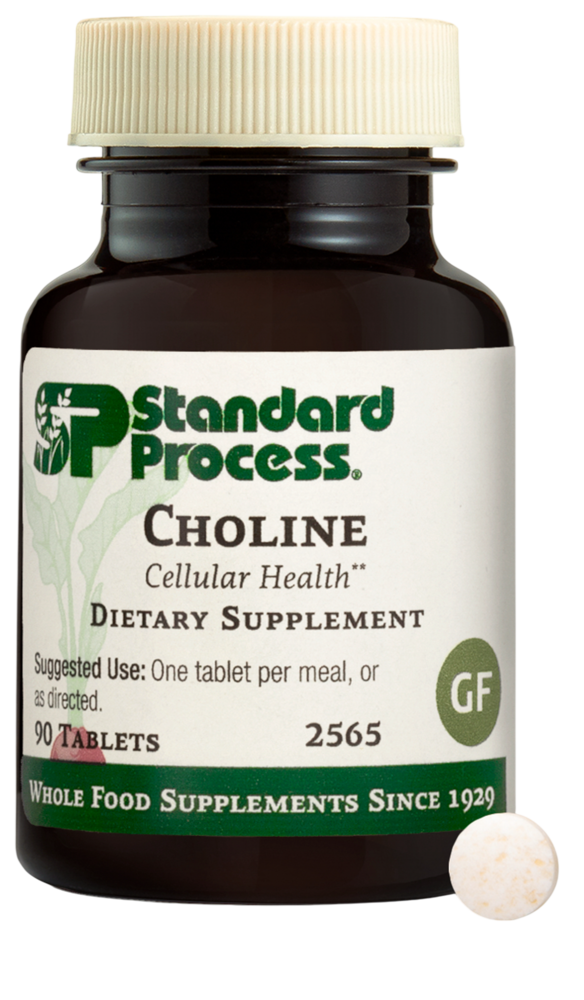
Introduction
Choline is a water-soluble, vitamin-like compound that was officially recognized as an essential nutrient by the Institute of Medicine in 1998, yet it remains one of the most chronically under-consumed nutrients in the Western diet. Despite its critical roles in neurotransmitter synthesis, cell membrane structure, and hepatic fat transport, fewer than 10% of Americans meet the adequate intake levels established by health authorities. In my clinical practice, I consistently find choline deficiency lurking behind symptoms like brain fog, fatty liver, and poor exercise recovery.
The body produces small amounts of choline endogenously in the liver through the PEMT (phosphatidylethanolamine N-methyltransferase) pathway, but this output is insufficient to meet physiological demands—particularly during pregnancy, periods of high physical stress, or with genetic PEMT variants that reduce enzymatic efficiency. Dietary sources such as eggs, liver, and beef provide meaningful choline, but plant-heavy diets and egg avoidance have created widespread shortfalls. This is precisely where targeted supplementation becomes a clinically relevant intervention rather than a luxury.
When evaluating choline supplements, the form matters enormously. Choline bitartrate is the most economical and widely available form, while Alpha-GPC (alpha-glycerophosphocholine) and CDP-Choline (citicoline) offer superior bioavailability and more pronounced nootropic effects due to their ability to cross the blood-brain barrier more efficiently. Phosphatidylcholine, the phospholipid form, is preferred for liver support. Understanding these distinctions allows practitioners and patients alike to select the right form for the right clinical goal.
Key Benefits of Choline
- Cognitive Function & Memory Support: Choline is the direct precursor to acetylcholine, the neurotransmitter most associated with learning, memory consolidation, and attention. Supplementation with high-bioavailability forms like Alpha-GPC has been shown to improve cognitive performance in both healthy adults and those with age-related cognitive decline.
- Liver Health & Fat Metabolism: Phosphatidylcholine produced from choline is essential for the packaging and export of very-low-density lipoproteins (VLDL) from the liver, preventing the pathological accumulation of triglycerides known as hepatic steatosis or fatty liver disease. Choline deficiency is one of the primary nutritional drivers of non-alcoholic fatty liver disease (NAFLD).
- Fetal Brain Development & Pregnancy Support: Choline is critically important during pregnancy for fetal neural tube closure, hippocampal development, and lifelong cognitive programming of the offspring. Maternal choline intake during the third trimester has been associated with significantly improved information processing speed in infants.
- Cellular Membrane Integrity: Phosphatidylcholine, synthesized from choline via the CDP-choline pathway, is the dominant phospholipid in mammalian cell membranes and is essential for membrane fluidity, receptor function, and cellular signaling. Adequate choline status ensures that every cell in the body can maintain proper structural integrity and communication.
- Homocysteine Regulation & Cardiovascular Protection: Choline functions as a methyl donor through its metabolite betaine, contributing to the remethylation of homocysteine to methionine and helping to keep homocysteine levels in a healthy range. Elevated homocysteine is an independent risk factor for cardiovascular disease, making choline an important component of a comprehensive heart-health strategy.
Ingredients
Choline is built on a focused whole food ingredient base:
- Alpha-GPC (Alpha-Glycerophosphocholine): The most bioavailable choline precursor for the brain, Alpha-GPC crosses the blood-brain barrier efficiently and rapidly elevates acetylcholine levels in the central nervous system. It is the preferred form for cognitive enhancement, neuroprotection, and supporting athletic power output through cholinergic mechanisms.
- CDP-Choline (Citicoline): Citicoline is a nucleotide that provides both choline and cytidine (a precursor to uridine), making it a uniquely dual-action compound that supports both acetylcholine synthesis and dopaminergic neurotransmitter pathways. It is clinically recognized for supporting recovery after neurological injury and for improving focus and attention in healthy adults.
- Phosphatidylcholine: The predominant phospholipid form of choline found in cell membranes and bile, phosphatidylcholine is the most clinically effective form for hepatic support, intestinal barrier repair, and lipid emulsification in the digestive tract. It is particularly well-suited for patients with fatty liver disease, leaky gut, or elevated liver enzymes.
- Choline Bitartrate: A salt form of choline combined with tartaric acid, choline bitartrate is the most cost-effective and widely available supplemental form, offering reliable systemic choline delivery for general nutritional adequacy and liver support. While its brain penetration is less robust than Alpha-GPC or citicoline, it is an excellent baseline option for meeting overall choline requirements.
Get Choline Today
Don't overpay on Amazon! Buy Choline directly from Dr. Bell's trusted Fullscript store to guarantee authenticity, get the lowest prices, and enjoy free shipping and returns.
Potential Side Effects & Precautions
Choline is generally well tolerated, but consider the following:
- Choline supplementation is generally well-tolerated at recommended doses, but excessive intake—particularly above 3.5 grams per day in adults—can produce a fishy body odor caused by the accumulation of trimethylamine, a gut-bacterial metabolite of choline. This effect is dose-dependent and resolves with dose reduction.
- Some individuals, particularly those who are prone to depression or have a history of bipolar disorder, report that high-dose choline supplementation exacerbates low mood. This may be related to cholinergic hypersensitivity and the impact of excess acetylcholine on the monoaminergic system; clinicians should monitor mood closely in these populations.
- Gastrointestinal side effects including nausea, diarrhea, and abdominal cramping can occur at higher doses, especially with choline bitartrate. Taking choline supplements with food and starting at a lower dose before titrating upward significantly reduces the likelihood of these symptoms.
- There has been scientific discussion—primarily driven by TMAO (trimethylamine N-oxide) research—about whether high dietary or supplemental choline intake could theoretically increase cardiovascular risk via TMAO production by gut bacteria. Current evidence does not establish a causal link at typical supplemental doses, and the clinical benefits of correcting deficiency substantially outweigh this theoretical concern for most patients.
The Science Behind It
Peer-reviewed research on key ingredients and mechanisms relevant to Choline:
Choline: An Essential Nutrient for Public Health
This landmark review by Zeisel and da Costa comprehensively outlines choline's essential roles in neurodevelopment, liver function, and methyl group metabolism, and documents the widespread prevalence of inadequate intake across population groups. It established much of the scientific foundation for understanding choline as a critical public health nutrient.
Maternal Choline Supplementation During the Third Trimester of Pregnancy Improves Infant Information Processing Speed
This randomized controlled trial by Caudill et al. demonstrated that supplementing pregnant women with 930 mg/day of choline during the third trimester led to significantly faster information processing in their infants at 4, 7, 10, and 13 months of age compared to controls receiving 480 mg/day. The findings provide strong clinical evidence that maternal choline intake above current AI levels offers measurable neurodevelopmental benefits.
Alpha-Glycerophosphocholine in the Mental and Physical Performance of Young Volunteers: A Randomized Clinical Trial
This clinical trial found that Alpha-GPC supplementation significantly improved lower body force production and growth hormone secretion in young healthy adults, while also demonstrating a favorable effect on cognitive speed under stress. The results support Alpha-GPC as a uniquely versatile form of choline with concurrent physical and cognitive performance applications.
Dietary Choline Deficiency Alters Global and Gene-Specific DNA Methylation in the Developing Hippocampus of Mouse Fetal Brains
This study by Kovacheva et al. demonstrated that choline deficiency during prenatal development causes significant epigenetic alterations in hippocampal gene expression, particularly in genes related to cell proliferation and apoptosis, with lasting neurofunctional consequences. The findings mechanistically explain how perinatal choline status programs lifelong cognitive capacity through epigenetic pathways.
Dr. Bell's Verdict
In my clinical assessment, choline is one of the most underappreciated yet consequential nutrients in functional and integrative medicine today. Its roles span virtually every system I treat—from hepatic detoxification and neurological resilience to cardiovascular protection and fetal programming—making it a foundational supplement worthy of serious clinical consideration rather than an afterthought.
I recommend choline supplementation as part of a targeted nutritional protocol for patients presenting with fatty liver markers, cognitive complaints, pregnancy planning, low egg intake, or genetic MTHFR/PEMT variants. Selecting the appropriate form—Alpha-GPC for cognitive goals, phosphatidylcholine for liver and gut integrity, or citicoline for neurological recovery—is essential to achieving meaningful outcomes, and I encourage practitioners to personalize dosing based on individual biochemistry and dietary intake.
Frequently Asked Questions
How much choline should I take daily?
The Adequate Intake (AI) established by the Institute of Medicine is 550 mg/day for adult men and 425 mg/day for non-pregnant women, rising to 450 mg/day during pregnancy and 550 mg/day during lactation. Therapeutic doses used in clinical studies range from 500 mg to 2,000 mg per day depending on the condition being addressed and the form being used. I always recommend starting conservatively and adjusting based on individual response and dietary choline intake.
What is the best form of choline for brain health?
For cognitive and neurological goals, I consistently recommend Alpha-GPC or CDP-Choline (citicoline) over basic choline bitartrate. Both forms cross the blood-brain barrier efficiently and meaningfully elevate acetylcholine levels in the CNS. Alpha-GPC also has the added benefit of supporting growth hormone release, making it a dual-purpose choice for patients who are also focused on athletic performance or body composition.
Can I get enough choline from food alone?
Theoretically yes, but practically speaking, most people do not. Eggs—especially the yolks—are the single richest common dietary source, with one large egg providing approximately 147 mg of choline. To meet the AI for an adult male through food alone would require eating roughly four eggs daily, along with meaningful servings of liver, beef, or salmon. For anyone reducing animal product intake, supplementation becomes essentially non-negotiable.
Is choline safe during pregnancy?
Not only is choline safe during pregnancy, it is critically important. Adequate choline intake during gestation supports neural tube closure, fetal brain development, and long-term cognitive outcomes in offspring. Despite this, choline is still absent from many prenatal vitamins or included at insufficient amounts. I strongly advise my pregnant patients to verify their prenatal contains at least 350-450 mg of choline or to supplement separately, ideally with the guidance of their obstetric care team.
Where to Buy Choline
Don't overpay on Amazon! Buy Choline directly from Dr. Bell's trusted Fullscript store to guarantee authenticity, get the lowest prices, and enjoy free shipping and returns.