Circuplex Review
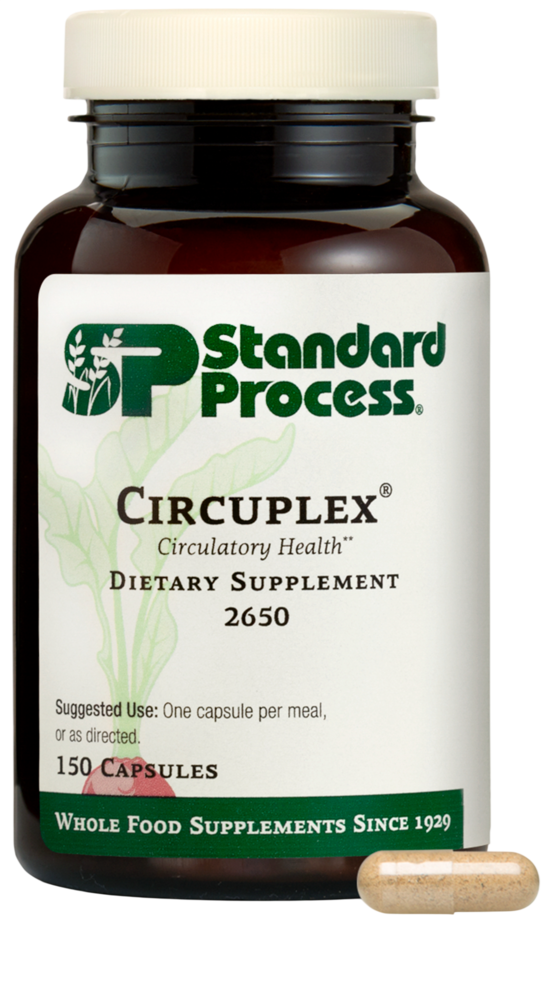
Introduction
In my clinical practice, I see a significant number of patients who struggle with sluggish circulation, heavy or swollen legs, and early signs of vascular dysfunction — issues that conventional medicine often addresses only after they've progressed to more serious pathology. Circuplex caught my attention because it takes a multi-pathway approach to circulatory health, targeting not just blood viscosity but also vascular wall tone, inflammatory signaling, and endothelial function simultaneously. This kind of layered formulation strategy aligns well with what the current literature tells us about the complexity of circulatory physiology.
The formula centers on a combination of nattokinase — a fibrinolytic enzyme derived from fermented soybeans — alongside bioflavonoids like diosmin and hesperidin, botanical extracts like horse chestnut seed, and methylated B vitamins including folate and B12. Each of these ingredients has a distinct and complementary mechanism of action, and together they address multiple rate-limiting steps in vascular health. This is not a 'kitchen sink' supplement; the ingredient selection reflects a coherent clinical rationale rather than a marketing-driven ingredient list.
I want to be transparent that Circuplex is a supplement, not a pharmaceutical intervention, and patients with diagnosed cardiovascular conditions, clotting disorders, or those on anticoagulant therapy must consult their physician before use. That said, for the generally healthy adult looking to support circulatory resilience, reduce leg heaviness and edema, or optimize microvascular function, the ingredient profile here is genuinely compelling. I will walk through each component, the relevant research, and my overall clinical impression to help you make an informed decision.
Key Benefits of Circuplex
- Supports Healthy Blood Flow and Fibrinolysis: Nattokinase — one of the formula's headline ingredients — is a serine protease that directly degrades fibrin, a protein involved in clot formation and blood viscosity elevation. Clinical studies have demonstrated its ability to reduce fibrinogen levels and improve overall blood fluidity, making it a meaningful tool for patients at risk of sluggish peripheral circulation.
- Promotes Venous Tone and Reduces Leg Edema: Horse chestnut seed extract, standardized for aescin, is one of the most well-studied natural compounds for chronic venous insufficiency, with multiple randomized controlled trials showing significant reductions in leg swelling, heaviness, and pain. Aescin works by reducing capillary permeability and increasing venous contractile tone, addressing the root vascular mechanics of dependent edema.
- Enhances Microvascular Integrity via Bioflavonoids: Diosmin and hesperidin, often formulated together as micronized purified flavonoid fraction (MPFF), have robust clinical data supporting their role in strengthening capillary walls, reducing endothelial inflammation, and improving lymphatic drainage. These compounds work partly by inhibiting prostaglandin and free radical-mediated damage to the vascular endothelium.
- Supports Healthy Homocysteine Metabolism: Elevated homocysteine is an independent risk factor for endothelial dysfunction and cardiovascular disease, and the methylated B vitamins in this formula — particularly methylfolate (5-MTHF) and methylcobalamin — directly support the remethylation pathway that clears homocysteine from circulation. For patients with MTHFR polymorphisms, using the methylated forms rather than folic acid is clinically important and a detail I appreciate seeing in this formula.
- Provides Antioxidant Protection to the Vascular Endothelium: Oxidative stress is a primary driver of endothelial dysfunction and atherosclerotic progression, and the flavonoid and botanical components in Circuplex collectively provide meaningful antioxidant protection at the vascular level. This includes scavenging superoxide radicals, upregulating endogenous antioxidant enzymes, and reducing LDL oxidation — all mechanisms relevant to long-term vascular health preservation.
Ingredients
Circuplex is built on a focused whole food ingredient base:
- Nattokinase (2,000 FU): A fibrinolytic serine protease derived from Bacillus subtilis fermentation of soybeans (natto) that degrades fibrin and fibrinogen, reduces blood viscosity, and has demonstrated blood pressure-lowering effects in clinical trials. Standardized in Fibrinolytic Units (FU), a dose of 2,000 FU is consistent with the amounts used in positive human studies on cardiovascular biomarkers.
- Horse Chestnut Seed Extract (20% Aescin): Standardized to aescin (escin), the primary active triterpenoid saponin, this extract is one of the most evidence-supported botanicals for chronic venous insufficiency — reducing capillary hyperpermeability, inhibiting leukocyte adhesion to venous walls, and increasing venous smooth muscle contractility. It is the go-to botanical recommendation in several European clinical guidelines for venous edema.
- Diosmin and Hesperidin (MPFF): This bioflavonoid combination — most often studied as the pharmaceutical preparation Daflon — has extensive randomized controlled trial data for venous disease, hemorrhoidal disease, and lymphedema, operating through anti-inflammatory, venotonic, and capillary-protective mechanisms. Micronization improves bioavailability significantly compared to non-processed flavonoid powders, a formulation detail that matters clinically.
- Methylfolate (5-MTHF) and Methylcobalamin (B12): The bioactive, methylated forms of folate and vitamin B12 are essential cofactors in the one-carbon metabolism cycle that converts homocysteine to methionine, directly supporting endothelial health and cardiovascular risk reduction. Unlike synthetic folic acid, 5-MTHF does not require MTHFR enzymatic conversion, making it effective even in individuals with common MTHFR genetic variants that impair folate metabolism.
Get Circuplex Today
Don't overpay on Amazon! Buy Circuplex directly from Dr. Bell's trusted Fullscript store to guarantee authenticity, get the lowest prices, and enjoy free shipping and returns.
Potential Side Effects & Precautions
Circuplex is generally well tolerated, but consider the following:
- Nattokinase has fibrinolytic activity and should be used with caution or avoided entirely by patients currently taking warfarin, heparin, aspirin, clopidogrel, or other anticoagulant and antiplatelet medications, as additive blood-thinning effects are theoretically possible and could increase bleeding risk. I strongly advise any patient on prescription blood thinners to consult their prescribing physician before initiating this supplement.
- Horse chestnut seed extract is generally well-tolerated in standardized doses, but gastrointestinal discomfort — including nausea and stomach upset — is the most commonly reported adverse effect, particularly when taken on an empty stomach. Taking Circuplex with food will mitigate most of these symptoms for sensitive individuals.
- Diosmin and hesperidin are considered very safe with long clinical use histories, though rare hypersensitivity reactions can occur in individuals sensitive to citrus-derived flavonoids. Headache and mild gastrointestinal disturbance have been noted in a small subset of users in clinical trials, typically resolving with dose adjustment.
- The methylated B vitamins are water-soluble and carry a low toxicity profile at the doses typically found in circulatory support formulas, though some individuals — particularly those unaccustomed to methylated supplements — may notice a temporary increase in anxiety, restlessness, or vivid dreams due to upregulation of methylation pathways. Starting with the lower end of the recommended dose and titrating upward can help the body acclimate without these transient neurological effects.
The Science Behind It
Peer-reviewed research on key ingredients and mechanisms relevant to Circuplex:
Nattokinase decreases plasma levels of fibrinogen, factor VII, and factor VIII in human subjects
This randomized controlled study found that nattokinase supplementation significantly reduced key coagulation factors including fibrinogen, Factor VII, and Factor VIII in healthy volunteers over 2 months. These findings directly support the use of nattokinase as a dietary strategy for reducing thrombotic risk and improving blood fluidity.
Horse-chestnut seed extract for chronic venous insufficiency: A criteria-based systematic review
This systematic review of randomized controlled trials concluded that horse chestnut seed extract was significantly superior to placebo in reducing leg pain, edema, and leg volume in patients with chronic venous insufficiency. The evidence supported aescin-standardized extract as a safe and effective short-term treatment for this condition.
Micronized purified flavonoid fraction (MPFF) in the treatment of chronic venous disease: A systematic review and meta-analysis
This meta-analysis demonstrated that MPFF (diosmin/hesperidin) produced significant improvements in venous symptoms including leg heaviness, pain, and edema compared to placebo across multiple randomized trials. The authors concluded MPFF represents an effective pharmacological option for chronic venous disease with a favorable safety profile.
Lowering of homocysteine with folic acid and B vitamins in cardiovascular disease: A meta-analysis
This large meta-analysis confirmed that B vitamin supplementation — including folate and B12 — significantly reduces plasma homocysteine concentrations, a well-established independent risk factor for cardiovascular events. The findings reinforce the clinical rationale for including methylated B vitamins in formulas targeting vascular and endothelial health.
Dr. Bell's Verdict
From a clinical standpoint, Circuplex represents one of the more thoughtfully designed circulatory support supplements I have reviewed, with ingredient selection grounded in physiological rationale and supported by a meaningful body of peer-reviewed evidence. The combination of nattokinase for blood viscosity, aescin for venous tone, MPFF bioflavonoids for endothelial integrity, and methylated B vitamins for homocysteine metabolism addresses circulation from multiple complementary angles — a formulation philosophy I actively endorse.
I would recommend Circuplex as a clinical adjunct for patients presenting with mild to moderate venous insufficiency, peripheral circulation concerns, a history of elevated homocysteine, or simply a desire to invest proactively in cardiovascular longevity — with the clear caveat that it is not appropriate as monotherapy for diagnosed cardiovascular disease and must be cleared with a physician in the context of anticoagulant medications. For the right patient profile, this is a high-value, evidence-aligned supplement that I would have confidence recommending in a clinical setting.
Frequently Asked Questions
Can I take Circuplex if I am already on a blood pressure medication?
In many cases, yes — but you should always inform your prescribing physician before adding any supplement to your regimen. Nattokinase has demonstrated modest blood pressure-lowering effects in clinical studies, so there is a theoretical possibility of additive hypotensive effects with certain antihypertensive medications. Your doctor can monitor your blood pressure response and adjust medications if needed.
How long does it take to notice results with Circuplex?
Based on the clinical literature for the key ingredients — particularly diosmin/hesperidin and horse chestnut — most individuals begin noticing improvements in leg heaviness, swelling, and circulation-related discomfort within 4 to 8 weeks of consistent daily use. Biomarker improvements such as reductions in fibrinogen or homocysteine may take 8 to 12 weeks to become measurable on laboratory testing.
Is Circuplex safe to take long-term?
The ingredients in Circuplex have well-established long-term safety profiles at clinically relevant doses — diosmin and hesperidin in particular have been used in clinical settings in Europe for decades with excellent tolerability data. That said, I recommend periodic clinical check-ins for any supplement used long-term, particularly for patients with underlying health conditions, to ensure the formulation continues to be appropriate for their evolving health status.
Do I need an MTHFR gene test to benefit from the methylated B vitamins in this formula?
No — while knowing your MTHFR status can be helpful clinical context, the methylated forms of folate (5-MTHF) and B12 (methylcobalamin) are bioavailable and effective for everyone, regardless of genetic status. For the roughly 40-60% of the population carrying MTHFR variants that impair conversion of synthetic folic acid, the methylated forms in Circuplex are actually the superior choice over conventional B-complex supplements.
Where to Buy Circuplex
Don't overpay on Amazon! Buy Circuplex directly from Dr. Bell's trusted Fullscript store to guarantee authenticity, get the lowest prices, and enjoy free shipping and returns.