Cod Liver Oil Review
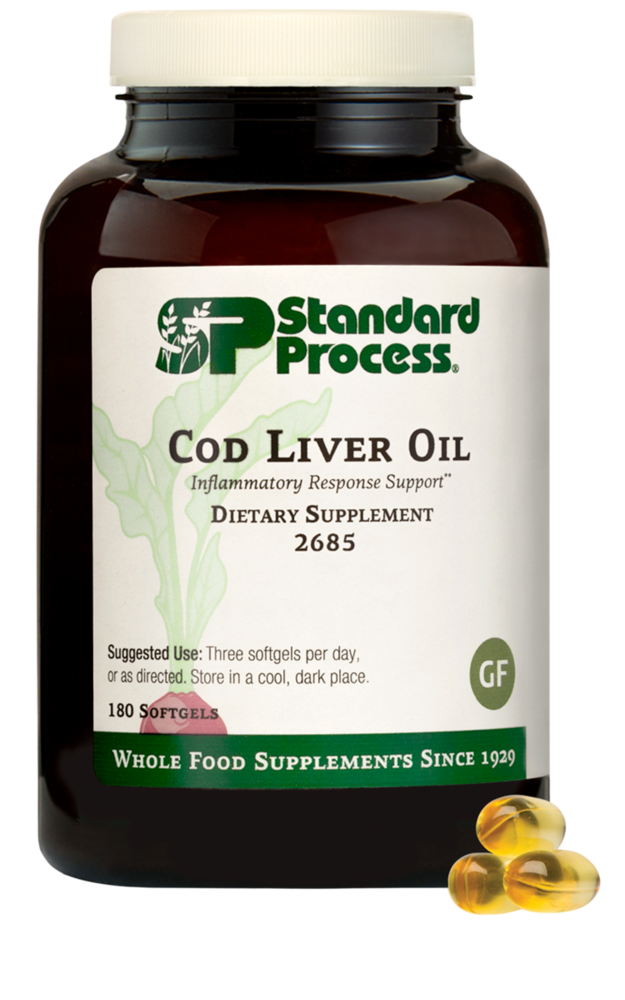
Introduction
Cod liver oil has been used therapeutically for centuries, with documented use in Northern European fishing communities dating back to the 18th century as a remedy for rickets, joint pain, and general debility. As a Doctor of Chiropractic with a focus on nutritional medicine, I regard it as one of the few truly multi-system supplements that addresses several interconnected physiological needs simultaneously. Its unique value lies in the natural co-occurrence of omega-3 fatty acids alongside fat-soluble vitamins A and D — a combination rarely replicated in synthetic formulations.
The active constituents in cod liver oil work synergistically rather than in isolation. Eicosapentaenoic acid (EPA) and docosahexaenoic acid (DHA) modulate the inflammatory cascade by competing with arachidonic acid for cyclooxygenase enzymes, reducing the production of pro-inflammatory prostaglandins and leukotrienes. Simultaneously, vitamin D3 acts as a steroid hormone precursor influencing over 200 genes involved in immune regulation, calcium metabolism, and cellular differentiation.
What distinguishes cod liver oil from standard fish oil is specifically this vitamin A and D content. Retinol (preformed vitamin A) plays a critical role in mucosal integrity, immune priming, and vision — functions that DHA alone cannot fulfill. In clinical practice, I find that patients presenting with fatigue, recurrent infections, musculoskeletal pain, or mood dysregulation often show measurable improvement when cod liver oil is incorporated into a comprehensive nutritional protocol.
Key Benefits of Cod Liver Oil
- Cardiovascular & Lipid Support: EPA and DHA reduce serum triglycerides by downregulating hepatic lipogenesis and upregulating fatty acid beta-oxidation, with clinical reductions of 15–30% observed in studies. These omega-3s also improve endothelial function, reduce platelet aggregation, and modestly lower resting blood pressure.
- Bone & Joint Health: Vitamin D3 in cod liver oil facilitates intestinal calcium and phosphorus absorption, directly supporting bone mineralization and reducing fracture risk — particularly relevant for my patients managing osteopenia or inflammatory arthritis. The anti-inflammatory action of EPA further attenuates synovial inflammation, helping to reduce joint stiffness and pain scores in conditions like rheumatoid arthritis.
- Immune System Regulation: Vitamin A (retinol) is essential for the differentiation of T-regulatory cells and the maintenance of epithelial barrier function in the gut, lungs, and skin — the body's first lines of immune defense. Vitamin D3 complements this by enhancing innate immunity through the upregulation of antimicrobial peptides such as cathelicidin, particularly in respiratory tissues.
- Neurological & Cognitive Function: DHA constitutes approximately 40% of the polyunsaturated fatty acids in the brain and is critical for neuronal membrane fluidity, synaptic transmission, and neuroprotection. Regular cod liver oil intake has been associated with reduced risk of depression and cognitive decline, and I commonly recommend it as part of a nervous system support protocol for patients experiencing brain fog or mood instability.
- Skin, Vision & Mucosal Integrity: Preformed vitamin A (retinol) in cod liver oil directly supports retinal function, sebaceous gland regulation, and the integrity of all mucosal surfaces. Patients with dry skin, poor night vision, or recurrent respiratory infections frequently present with subclinical vitamin A insufficiency that cod liver oil is well-positioned to address.
Ingredients
Cod Liver Oil is built on a focused whole food ingredient base:
- EPA (Eicosapentaenoic Acid): A long-chain omega-3 fatty acid that competitively inhibits arachidonic acid metabolism, reducing the synthesis of pro-inflammatory eicosanoids. EPA is particularly effective at modulating systemic inflammation, improving mood through serotonin pathway modulation, and reducing cardiovascular disease risk markers including triglycerides and fibrinogen.
- DHA (Docosahexaenoic Acid): The primary structural fatty acid of neuronal and retinal cell membranes, DHA is essential for brain development, cognitive function, and visual acuity. It supports membrane receptor signaling, reduces neuroinflammation, and has demonstrated neuroprotective effects relevant to aging and neurodegenerative conditions.
- Vitamin D3 (Cholecalciferol): Present in cod liver oil as naturally occurring cholecalciferol, vitamin D3 functions as a steroid hormone precursor once converted to its active form 1,25-dihydroxyvitamin D in the kidneys. It regulates calcium homeostasis, modulates adaptive and innate immune responses, supports musculoskeletal function, and has emerging roles in metabolic and cardiometabolic health.
- Vitamin A (Retinol): Cod liver oil provides preformed vitamin A as retinol — the bioavailable form that does not require hepatic conversion from beta-carotene, making it reliably effective across diverse patient populations including those with thyroid dysfunction or genetic BCMO1 polymorphisms. Retinol is critical for epithelial cell differentiation, mucous membrane integrity, immune priming via retinoic acid signaling, and photoreceptor function in the retina.
Get Cod Liver Oil Today
Don't overpay on Amazon! Buy Cod Liver Oil directly from Dr. Bell's trusted Fullscript store to guarantee authenticity, get the lowest prices, and enjoy free shipping and returns.
Potential Side Effects & Precautions
Cod Liver Oil is generally well tolerated, but consider the following:
- Cod liver oil is generally well tolerated at recommended doses, but the most commonly reported side effects are gastrointestinal in nature — including fishy aftertaste, belching, nausea, and loose stools. Taking the supplement with meals or choosing an enteric-coated or molecularly distilled product can significantly reduce these complaints, and I often recommend refrigerated liquid forms to minimize oxidation-related taste issues.
- Because cod liver oil contains preformed vitamin A (retinol), excessive intake over extended periods can contribute to vitamin A toxicity (hypervitaminosis A), which may manifest as headache, dry skin, liver stress, and in severe cases, increased intracranial pressure. I advise patients to be cautious about combining cod liver oil with other vitamin A-containing supplements or high-dose multivitamins, and to avoid doses exceeding 10,000 IU retinol per day unless under clinical supervision.
- Patients on anticoagulant therapy (such as warfarin or direct oral anticoagulants) should exercise caution, as the omega-3 content in cod liver oil has mild antiplatelet effects that may potentiate bleeding risk at high doses. While standard doses (1–2 teaspoons daily) are generally considered safe, I recommend disclosing cod liver oil use to the prescribing physician and monitoring INR values if relevant.
- Pregnant women should be particularly mindful of vitamin A intake from all sources, as excess preformed retinol in the first trimester is a known teratogen. Most high-quality cod liver oil products are formulated within safe ranges for pregnancy, but I recommend confirming with both an obstetrician and a nutritional clinician before use during the first trimester. Vitamin D from cod liver oil, by contrast, is beneficial and often under-supplemented during pregnancy.
The Science Behind It
Peer-reviewed research on key ingredients and mechanisms relevant to Cod Liver Oil:
Randomized controlled trial of the effect of n-3 fatty acid supplementation on the metabolism of arachidonic acid: a systematic review and meta-analysis
This meta-analysis confirmed that EPA and DHA supplementation significantly reduces serum triglycerides and modulates inflammatory eicosanoid pathways by competing with arachidonic acid at the cyclooxygenase and lipoxygenase enzyme level. The findings support cod liver oil's role in cardiovascular and anti-inflammatory benefit.
Vitamin D and the immune system: new perspectives on an old theme
This review documented that vitamin D3 acts as a potent immunomodulator, enhancing innate immunity through cathelicidin upregulation while suppressing excessive adaptive immune responses linked to autoimmunity. The findings are directly relevant to cod liver oil's vitamin D content and its use in immune support protocols.
Effect of cod liver oil on symptoms of rheumatoid arthritis
This randomized controlled trial found that patients with rheumatoid arthritis who supplemented with cod liver oil experienced significant reductions in morning stiffness and NSAID requirements compared to placebo. The study provides direct clinical evidence for cod liver oil's anti-inflammatory and joint-protective effects.
Docosahexaenoic acid and the developing central nervous system — implications for dietary recommendations
This foundational paper established DHA as the predominant structural fatty acid in the developing and adult brain, demonstrating its critical role in synaptic membrane fluidity and neurotransmitter signaling. The research underscores why cod liver oil, as a natural DHA source, is particularly valuable for neurological health across the lifespan.
Dr. Bell's Verdict
In my clinical assessment, cod liver oil stands as one of the most nutritionally complete and evidence-supported supplements available without a prescription. Its combination of EPA, DHA, vitamin D3, and preformed vitamin A addresses interconnected deficiencies that are extremely common in modern patients — particularly those living at northern latitudes, consuming low-fat diets, or presenting with chronic inflammation, musculoskeletal dysfunction, or immune dysregulation. Unlike isolated fish oil or synthetic vitamin D supplements, cod liver oil offers a whole-food-matrix delivery of synergistic nutrients that mirrors the way these compounds appear in nature.
I recommend cod liver oil as a foundational supplement for a broad range of adult patients, with the caveat that dosing should be individualized based on existing vitamin D and A levels, dietary intake, and concurrent medications. For most healthy adults, 1–2 teaspoons of a high-quality, third-party tested cod liver oil daily — providing approximately 1,000–2,000 mg combined EPA/DHA and 1,000–2,000 IU vitamin D3 — represents a safe, clinically meaningful dose. Choose a product that has been tested for mercury, PCBs, and oxidation markers (TOTOX value), and prioritize brands that publish their certificates of analysis.
Frequently Asked Questions
What is the difference between cod liver oil and regular fish oil?
Regular fish oil is derived from the body fat of oily fish and contains primarily EPA and DHA omega-3 fatty acids with minimal fat-soluble vitamins. Cod liver oil, as the name implies, is extracted from the liver of Atlantic cod and naturally contains significant amounts of preformed vitamin A and vitamin D3 in addition to EPA and DHA. This makes cod liver oil a more nutritionally diverse supplement, but it also requires more careful dosing to avoid excess vitamin A intake.
How much cod liver oil should I take daily?
For most adult patients, I recommend 1 teaspoon (approximately 5 mL) of a high-quality cod liver oil daily, which typically provides 1,000–1,200 mg of combined EPA and DHA, 400–1,000 IU of vitamin D3, and 750–1,500 IU of vitamin A (retinol). Individual needs vary based on diet, sun exposure, body weight, and specific health goals, so I encourage patients to have baseline serum 25-hydroxyvitamin D and retinol levels assessed before establishing a long-term dosing routine.
Can I take cod liver oil if I am vegetarian or vegan?
Cod liver oil is an animal-derived product and is not suitable for vegetarians or vegans. Patients following plant-based diets who need omega-3 fatty acids can consider algae-based DHA/EPA supplements, which bypass the fish entirely and source these fatty acids directly from microalgae — the same organisms that make fish a rich omega-3 source. However, algae oil does not provide vitamins A or D, so those would need to be supplemented separately.
Is cod liver oil safe for children?
Cod liver oil has a long history of safe use in children and was historically used in pediatric medicine to prevent rickets and support growth. Age-appropriate doses — typically one-quarter to one-half teaspoon for young children — are generally safe and beneficial for immune function, bone development, and neurological maturation. However, because children are more sensitive to vitamin A toxicity relative to body weight, I always recommend consulting a pediatrician or nutritional clinician before beginning supplementation in children under 12.
Where to Buy Cod Liver Oil
Don't overpay on Amazon! Buy Cod Liver Oil directly from Dr. Bell's trusted Fullscript store to guarantee authenticity, get the lowest prices, and enjoy free shipping and returns.