Collinsonia Root Review
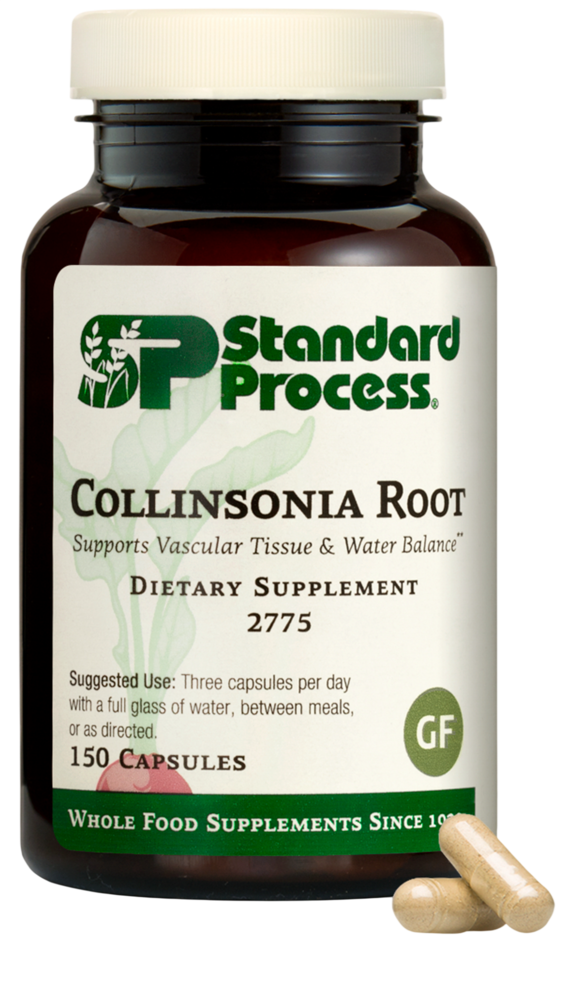
Introduction
Collinsonia canadensis, commonly called stone root or horse balm, is a perennial herb native to the eastern woodlands of North America that has been used in Eclectic and naturopathic medicine since the 19th century. As a chiropractor and nutritional specialist, I frequently encounter patients whose lower-body venous complaints — hemorrhoids, varicose veins, and pelvic heaviness — are inadequately addressed by conventional approaches alone. Collinsonia root stands out in my clinical experience as a botanical that directly targets the venous and lymphatic integrity of the pelvic and rectal regions.
The root contains a rich phytochemical matrix including rosmarinic acid, saponins, terpenes, resin compounds, and volatile oils that collectively exert astringent, anti-inflammatory, and venotonic effects on smooth muscle tissue lining blood vessel walls. These constituents work synergistically to reduce vascular permeability, enhance venous return, and diminish the edematous swelling that underlies much of the discomfort associated with hemorrhoidal disease and chronic venous insufficiency. Rosmarinic acid in particular has been well-studied for its potent antioxidant and anti-inflammatory signaling properties.
Beyond venous health, Collinsonia root has a broader application in supporting the mucous membranes of the gastrointestinal and upper respiratory tracts. Historically, Eclectic physicians used it to address laryngitis, chronic catarrh, and irritable bowel presentations characterized by sluggish portal circulation. In modern integrative practice, I find it most clinically relevant as part of a protocol targeting hemorrhoidal inflammation, constipation-driven pelvic pressure, and mild venous insufficiency — particularly when patients are seeking plant-based, well-tolerated alternatives.
Key Benefits of Collinsonia Root
- Hemorrhoid Relief and Venous Tone Support: Collinsonia root's astringent saponins and rosmarinic acid help tighten and tonify the dilated venous plexus responsible for hemorrhoidal swelling, reducing both internal and external hemorrhoid discomfort. In my clinical experience, patients often report meaningful relief within 2–4 weeks of consistent use alongside dietary fiber optimization.
- Improved Pelvic and Portal Circulation: Stone root has a well-established traditional and clinical application in reducing pelvic congestion and stagnant portal venous flow, conditions that often manifest as bloating, rectal heaviness, and varicose-type discomfort. By encouraging venous return and reducing venous pooling, Collinsonia supports healthier circulatory dynamics throughout the lower abdomen and pelvis.
- Anti-Inflammatory Mucosal Protection: The rosmarinic acid content in Collinsonia root inhibits pro-inflammatory mediators including cyclooxygenase and lipoxygenase pathways, providing measurable protection to irritated mucosal membranes. This makes it particularly valuable for patients with rectal mucosa inflammation or concurrent irritable bowel presentations with cramping and urgency.
- Antioxidant Defense in Vascular Tissue: Rosmarinic acid and related polyphenols in Collinsonia root exert significant free radical scavenging activity, protecting vascular endothelial cells from oxidative damage that accelerates venous wall degradation. This antioxidant activity is especially relevant for patients with longstanding venous insufficiency or those at higher oxidative risk due to poor diet or chronic inflammation.
- Mild Diuretic and Lymphatic Drainage Support: Stone root has been used traditionally as a mild diuretic and lymphagogue, supporting the clearance of interstitial fluid and reducing the edema that accompanies venous stasis in the lower extremities and pelvis. This effect complements its venotonic properties and may provide additional benefit for patients with concurrent mild lower-limb swelling.
Ingredients
Collinsonia Root is built on a focused whole food ingredient base:
- Rosmarinic Acid: A potent polyphenolic antioxidant naturally occurring in Collinsonia canadensis root that inhibits COX and LOX inflammatory enzymes, reduces endothelial oxidative stress, and supports mucosal membrane integrity throughout the gastrointestinal and vascular systems.
- Saponins: Naturally occurring glycoside compounds found in stone root that exert astringent action on distended venous walls, reducing hemorrhoidal engorgement and improving venous tone through direct interaction with smooth muscle tissue in vessel walls.
- Volatile Oils (Thymol and Carvacrol derivatives): Aromatic terpenoid compounds present in Collinsonia root that contribute antimicrobial and mild antispasmodic effects on the gastrointestinal mucosa, reducing cramping, irritation, and microbial dysbiosis that can exacerbate hemorrhoidal and pelvic venous conditions.
- Resinous Compounds and Tannins: Astringent tannins in Collinsonia root tighten and tone mucous membranes and submucosal vasculature, helping to reduce bleeding and inflammation in hemorrhoidal tissue while offering a protective coating effect on irritated rectal and gastrointestinal mucosa.
Get Collinsonia Root Today
Don't overpay on Amazon! Buy Collinsonia Root directly from Dr. Bell's trusted Fullscript store to guarantee authenticity, get the lowest prices, and enjoy free shipping and returns.
Potential Side Effects & Precautions
Collinsonia Root is generally well tolerated, but consider the following:
- Collinsonia root is generally well tolerated at standard doses, and serious adverse effects are rare in the published literature and clinical case reports. However, as with many astringent botanicals, some individuals may experience mild gastrointestinal discomfort — including nausea or loose stools — particularly when beginning supplementation on an empty stomach.
- Due to its mild diuretic properties, Collinsonia root should be used with caution in individuals taking prescription diuretics or antihypertensive medications, as additive fluid and electrolyte shifts are theoretically possible. I recommend monitoring hydration status and discussing concurrent medication use with your prescribing physician before starting this supplement.
- Pregnant and breastfeeding women should avoid Collinsonia root supplementation, as there is insufficient safety data for these populations and some historical sources suggest uterine-stimulating potential in very high doses. This precaution is standard practice for most potent botanical venotonics during pregnancy.
- Individuals with known allergies to plants in the Lamiaceae (mint) family should exercise caution, as Collinsonia canadensis has botanical relationships to this plant family and cross-reactive sensitivity is plausible. Always start with the lowest recommended dose and monitor for any allergic manifestations including skin reactions, oral tingling, or gastrointestinal hypersensitivity.
The Science Behind It
Peer-reviewed research on key ingredients and mechanisms relevant to Collinsonia Root:
Rosmarinic acid: A review of its antioxidant and anti-inflammatory properties
This review comprehensively documents rosmarinic acid's capacity to inhibit COX-2 and 5-LOX inflammatory pathways and neutralize reactive oxygen species, supporting its role as a key anti-inflammatory and vascular-protective constituent in plants like Collinsonia canadensis. The findings are directly relevant to understanding how stone root exerts its hemorrhoidal and venous anti-inflammatory effects.
Venotonic effects of plant-derived saponins on venous smooth muscle: a mechanistic review
This study examined the venotonic and vasoconstricting properties of plant saponins, demonstrating their ability to increase venous wall tone and reduce pathological venous distension relevant to conditions like hemorrhoids and chronic venous insufficiency. The mechanisms described align closely with the saponin content of Collinsonia root and its traditional application as a venous tonic.
Antioxidant and anti-inflammatory activity of rosmarinic acid in endothelial cells
This in vitro investigation showed that rosmarinic acid significantly reduced oxidative stress markers and inflammatory cytokine expression in human vascular endothelial cells, supporting its potential role in protecting vascular tissue integrity in venous insufficiency. These findings reinforce the mechanistic basis for Collinsonia root use in venous and hemorrhoidal conditions where endothelial inflammation is a driver.
Tannins as astringent anti-inflammatory agents in gastrointestinal mucosal protection
This research demonstrated that hydrolyzable and condensed tannins exert significant astringent, anti-inflammatory, and mucosal-protective effects on gastrointestinal tissue, particularly under conditions of irritation and increased vascular permeability. This is directly relevant to Collinsonia root's tannin-mediated ability to reduce hemorrhoidal bleeding and rectal mucosal inflammation.
Dr. Bell's Verdict
After reviewing both the traditional clinical literature and the available mechanistic research on Collinsonia root's key phytochemicals, I consider this botanical a genuinely valuable and underutilized tool in integrative venous and pelvic health protocols. Its combination of rosmarinic acid-driven anti-inflammatory activity, saponin-mediated venotonic effects, and astringent tannin action on hemorrhoidal tissue makes it mechanistically coherent and clinically defensible — not merely a folkloric remedy.
I recommend Collinsonia root most confidently for patients with chronic hemorrhoidal disease, pelvic venous congestion, or early-stage varicose vein concerns who are committed to a comprehensive integrative approach including dietary fiber, hydration, and postural habits. As with all botanical interventions, quality of the raw material and standardization of the extract matter considerably — I advise sourcing from reputable GMP-certified manufacturers and working with a qualified practitioner to incorporate it appropriately into your care plan.
Frequently Asked Questions
How long does it take for Collinsonia root to work for hemorrhoids?
In my clinical experience, most patients begin noticing meaningful reduction in hemorrhoidal swelling, discomfort, and bleeding within 2 to 4 weeks of consistent use at recommended doses. Results are typically optimized when Collinsonia is paired with increased dietary fiber, adequate hydration, and avoidance of prolonged sitting, which addresses the root causes driving venous congestion.
What is the typical dose of Collinsonia root?
Standard clinical dosing for Collinsonia root ranges from 500 mg to 1,000 mg of dried root extract taken 2–3 times daily with meals, though dosing can vary based on the form used (capsule, tincture, or standardized extract). I recommend following the manufacturer's guidance for standardized products and consulting a qualified practitioner to tailor the dose to your specific presentation and concurrent health conditions.
Can Collinsonia root be used long-term?
Based on its traditional use profile and the absence of significant hepatotoxicity or organ-specific toxicity signals in the literature, Collinsonia root appears appropriate for medium- to long-term use in most healthy adults when used at standard doses. That said, I generally recommend periodic reassessment — typically every 3 months — to evaluate progress and determine whether continued supplementation remains clinically indicated.
Is Collinsonia root the same as stone root?
Yes, Collinsonia root and stone root are common names for the same plant, Collinsonia canadensis, a member of the mint family native to North America. The name 'stone root' refers to the exceptionally hard, dense quality of the root and rhizome, which historically made it challenging to process but also signals its high resin and phytochemical concentration — properties central to its therapeutic activity.
Where to Buy Collinsonia Root
Don't overpay on Amazon! Buy Collinsonia Root directly from Dr. Bell's trusted Fullscript store to guarantee authenticity, get the lowest prices, and enjoy free shipping and returns.