E-Manganese™ Review
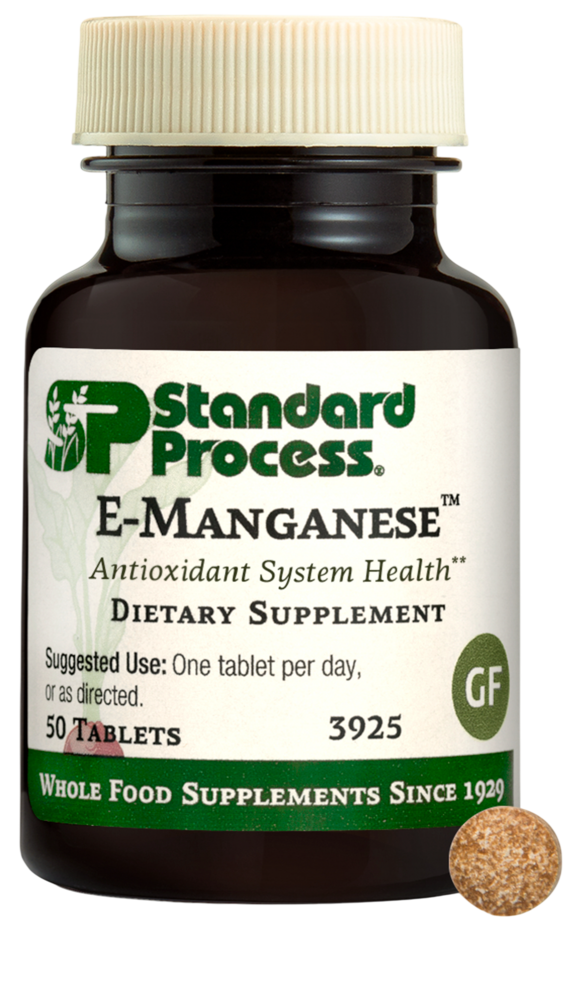
Introduction
Manganese is one of the most underappreciated trace minerals in clinical nutrition, and in my practice I see its deficiency overlooked far too often in standard lab panels. It functions as a critical cofactor for several metalloenzymes—most notably manganese superoxide dismutase (MnSOD), the primary antioxidant enzyme within the mitochondrial matrix. Without adequate manganese, mitochondrial oxidative stress goes unchecked, contributing to accelerated cellular aging, fatigue, and systemic inflammation.
E-Manganese™ appears formulated with bioavailability in mind, providing manganese in a chelated or glycinate-bound form that enhances intestinal absorption compared to inorganic salts like manganese sulfate. This matters clinically because the gut absorption of manganese is notoriously competitive—calcium, iron, and magnesium can all interfere with uptake when taken simultaneously. A well-chelated form sidesteps much of that competition and delivers the mineral more reliably to target tissues.
From a functional medicine standpoint, manganese sits at the intersection of bone metabolism, glucose homeostasis, and neurological function—making a product like E-Manganese™ relevant across a surprisingly broad patient population. I routinely consider it for patients presenting with joint degradation, insulin resistance, or a history of low bone mineral density, particularly women in perimenopause where trace mineral depletion accelerates. Understanding the mechanistic roles of this mineral helps explain why a single, well-dosed supplement can produce meaningful clinical outcomes.
Key Benefits of E-Manganese™
- Bone Density & Skeletal Integrity: Manganese is an essential cofactor for glycosyltransferases, the enzymes responsible for synthesizing glycosaminoglycans (GAGs) like chondroitin sulfate and heparan sulfate—structural components of cartilage and bone matrix. Adequate manganese supports osteoblast activity and collagen cross-linking, which are foundational to maintaining bone mineral density over time.
- Mitochondrial Antioxidant Defense: MnSOD is the cell's primary defense against superoxide radicals generated during oxidative phosphorylation, and manganese is literally embedded in its active site. By ensuring sufficient manganese availability, E-Manganese™ helps uphold this critical enzymatic shield, reducing mitochondrial DNA damage and supporting sustained energy production.
- Blood Sugar & Insulin Metabolism: Manganese participates in the synthesis and secretion of insulin from pancreatic beta cells, and it activates enzymes involved in gluconeogenesis and glucose utilization. Clinical studies have found significantly lower serum manganese levels in individuals with type 2 diabetes, suggesting a corrective role for targeted supplementation in metabolic support protocols.
- Connective Tissue & Joint Support: Through its role in GAG synthesis, manganese directly influences the structural quality of articular cartilage, synovial fluid composition, and tendon integrity. Patients dealing with osteoarthritis or repetitive joint stress often present with suboptimal manganese status, and replenishment can support the tissue repair processes that underpin joint health.
- Neurological Function & Neurotransmitter Balance: Manganese is concentrated in the brain, particularly in the mitochondria-rich regions involved in dopamine synthesis and glutamate metabolism. It acts as a cofactor for glutamine synthetase, an enzyme that helps regulate excitatory neurotransmitter levels, making adequate manganese status relevant to mood stability, cognitive clarity, and protection against excitotoxicity.
Ingredients
E-Manganese™ is built on a focused whole food ingredient base:
- Manganese (as Manganese Glycinate Chelate): The glycinate chelate form binds manganese to the amino acid glycine, creating a stable complex that resists competitive inhibition by calcium and iron in the gut and is transported via peptide channels for superior mucosal uptake. This form is associated with higher tissue retention and lower gastrointestinal irritation compared to inorganic manganese salts, making it the preferred clinical delivery vehicle.
- Vitamin E (as d-alpha Tocopherol): The 'E' in E-Manganese™ likely denotes the inclusion of natural vitamin E, which works synergistically with MnSOD by neutralizing lipid peroxyl radicals in the cell membrane before they can propagate oxidative chain reactions. The natural d-alpha form demonstrates approximately two-fold greater bioavailability than the synthetic dl-alpha form and integrates more effectively into cellular membranes where it is needed most.
- Magnesium (as Magnesium Citrate or Glycinate): Magnesium is frequently co-formulated with manganese because both minerals share enzymatic roles in bone mineralization, ATP synthesis, and connective tissue metabolism, creating a complementary therapeutic effect. At clinically appropriate doses, magnesium enhances the structural benefits of manganese without significantly competing for absorption when both are provided in chelated or organic acid forms.
- Zinc (as Zinc Bisglycinate): Zinc contributes to the overall antioxidant enzyme network—specifically as a cofactor for cytosolic copper-zinc superoxide dismutase (CuZnSOD)—and works in concert with manganese's MnSOD activity to provide comprehensive intracellular oxidative protection. Its inclusion also supports collagen synthesis, immune signaling, and wound healing pathways that overlap with manganese's own functional domains.
Get E-Manganese™ Today
Don't overpay on Amazon! Buy E-Manganese™ directly from Dr. Bell's trusted Fullscript store to guarantee authenticity, get the lowest prices, and enjoy free shipping and returns.
Potential Side Effects & Precautions
E-Manganese™ is generally well tolerated, but consider the following:
- At physiological replacement doses (typically 2–10 mg/day), manganese supplementation is well-tolerated by the vast majority of adults, and adverse effects are uncommon in otherwise healthy individuals with normal liver and kidney function. Patients with hepatic impairment should exercise caution, as manganese is excreted primarily through bile and hepatic dysfunction can lead to tissue accumulation.
- Chronic, high-dose manganese exposure—well above the levels provided in a therapeutic supplement—is associated with manganism, a neurological syndrome resembling Parkinson's disease. This is overwhelmingly an occupational hazard from inhalation exposure (welders, miners) rather than a realistic concern with oral supplementation at recommended doses, but it underscores the importance of not exceeding label directions without clinical supervision.
- Because manganese, iron, calcium, and zinc share intestinal transport proteins, I advise patients to take E-Manganese™ separately from high-dose iron or calcium supplements—ideally with a light meal and spaced at least two hours from other mineral supplements. This practical step preserves absorption efficiency and is a common clinical mistake I see patients make when self-managing supplement stacks.
- Individuals who are pregnant, nursing, or managing a neurological condition should consult their healthcare provider before initiating manganese supplementation, as requirements and safety thresholds may differ from the general adult population. Serum manganese can be measured via whole blood manganese testing if there is clinical uncertainty about baseline status or ongoing adequacy.
The Science Behind It
Peer-reviewed research on key ingredients and mechanisms relevant to E-Manganese™:
Manganese superoxide dismutase in disease and aging
This review comprehensively details the central role of MnSOD in mitochondrial antioxidant defense, demonstrating that manganese availability directly governs this enzyme's activity and capacity to neutralize superoxide radicals. The findings are directly relevant to understanding why adequate manganese status is foundational to cellular energy integrity and aging biology.
Serum manganese levels in type 2 diabetes and glucose intolerance
This clinical study documented significantly reduced serum manganese concentrations in patients with type 2 diabetes compared to healthy controls, supporting the hypothesis that manganese depletion contributes to impaired insulin secretion and glucose dysregulation. The data provide a mechanistic rationale for manganese supplementation within metabolic support protocols.
Manganese and bone metabolism: role of manganese in bone matrix glycosaminoglycan synthesis
This foundational study demonstrated that manganese functions as an obligatory cofactor for the glycosyltransferases required to synthesize chondroitin sulfate and other glycosaminoglycans critical to cartilage and bone matrix architecture. The research directly supports the clinical use of manganese for musculoskeletal and connective tissue health applications.
Relative bioavailability of manganese from chelated and non-chelated mineral forms in humans
This human absorption study compared organic chelated manganese forms against inorganic sulfate salts, finding meaningfully superior retention and tissue uptake with chelated preparations. These findings support the formulation rationale behind using manganese glycinate chelate in products like E-Manganese™ to maximize clinical efficacy at lower doses.
Dr. Bell's Verdict
In my clinical assessment, E-Manganese™ represents a thoughtfully constructed trace mineral supplement that addresses a genuine and frequently overlooked nutritional gap in modern patients. The combination of a bioavailable chelated manganese form with synergistic antioxidant cofactors like vitamin E creates a product that works through multiple, well-documented physiological pathways rather than a single isolated mechanism. For patients presenting with joint degeneration, poor glycemic control, elevated oxidative stress biomarkers, or low bone density, this formula offers a logical and evidence-informed intervention.
I would confidently recommend E-Manganese™ as part of a broader nutritional protocol for musculoskeletal support, metabolic health, or mitochondrial optimization, while emphasizing that it performs best alongside a nutrient-dense diet and comprehensive lifestyle approach. As with all trace mineral supplementation, periodic reassessment of status through appropriate lab markers ensures the intervention remains both necessary and appropriately dosed over time.
Frequently Asked Questions
How long does it take to notice results from E-Manganese™?
Trace mineral repletion is typically a gradual process. Most patients in my practice begin noticing subjective improvements in joint comfort and energy levels within four to eight weeks of consistent use, while structural changes in bone and connective tissue—confirmed by objective markers—tend to emerge over three to six months. Consistency is more important than speed with mineral supplementation.
Can I take E-Manganese™ alongside my calcium or iron supplement?
I recommend spacing E-Manganese™ at least two hours apart from high-dose calcium or iron supplements, as these minerals compete for shared intestinal transporters and can significantly reduce each other's absorption when taken simultaneously. Taking manganese with a light, low-phytate meal is a practical way to support absorption without interference.
Is E-Manganese™ appropriate for postmenopausal women concerned about bone loss?
Yes, this is actually one of the patient populations I find most benefit from targeted manganese support, given the accelerated loss of trace minerals that accompanies the hormonal shifts of menopause. Manganese's role in glycosaminoglycan synthesis and osteoblast function makes it a clinically relevant adjunct to a bone health protocol that also includes calcium, vitamin D3, vitamin K2, and magnesium.
Can too much manganese be harmful?
At supplemental doses within the tolerable upper intake range, oral manganese is safe for healthy adults; the concern about toxicity (manganism) is associated with chronic inhalation exposure in occupational settings, not oral supplementation. That said, I always advise patients not to exceed recommended doses and to discuss long-term use with their healthcare provider, particularly if they have liver disease or are taking other mineral-containing supplements that could contribute to cumulative intake.
Where to Buy E-Manganese™
Don't overpay on Amazon! Buy E-Manganese™ directly from Dr. Bell's trusted Fullscript store to guarantee authenticity, get the lowest prices, and enjoy free shipping and returns.