Fen-Cho Review
Introduction
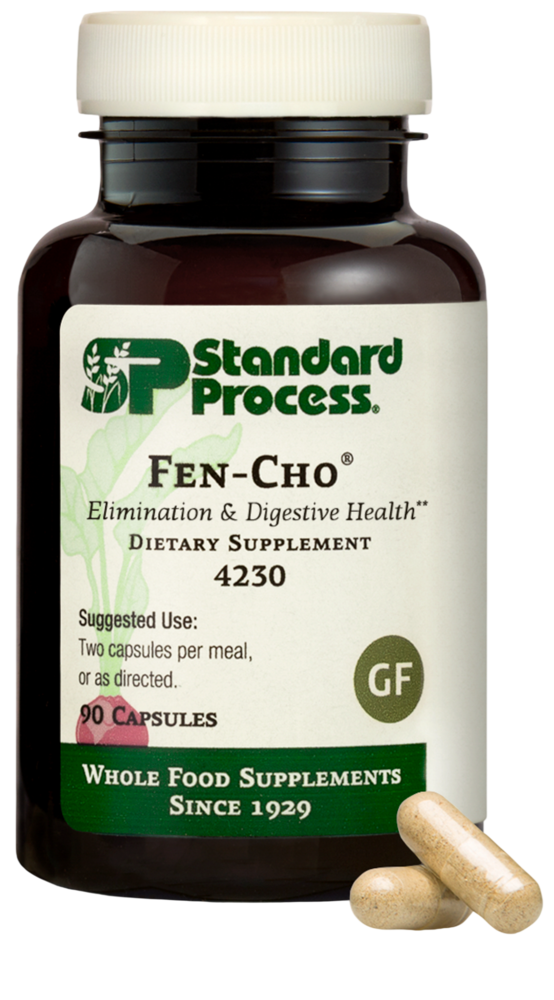
In my practice, I see a significant number of patients who struggle with what I call 'functional digestive burden' — bloating, cramping, slow transit, and that uncomfortable heaviness after meals that conventional medicine often dismisses. Fen-Cho caught my attention because it takes a classical herbal medicine approach and pairs it with modern understanding of gut motility and bile flow physiology. Rather than masking symptoms, this formula appears designed to address the underlying mechanisms driving upper and lower GI discomfort.
The formula centers on fennel seed (Foeniculum vulgare) as its primary carminative agent, supported by artichoke leaf extract and a blend of traditional digestive bitters. This combination targets multiple physiological pathways simultaneously: reducing intestinal smooth muscle spasm, stimulating bile production and release, and supporting healthy gastric emptying. From a clinical standpoint, hitting these three mechanisms together is far more effective than isolated single-ingredient approaches, which is why I appreciate the formulation logic here.
What separates Fen-Cho from the crowded digestive supplement market is the apparent attention to standardized extracts rather than raw herb powders. Standardization matters clinically because it ensures consistent delivery of the active constituents — in this case, anethole from fennel, cynarin and chlorogenic acids from artichoke, and the iridoid glycosides from gentian. Patients frequently ask me why one herbal product works and another does not, and standardization is almost always the answer. With those quality markers in mind, let me walk you through the full clinical picture of this supplement.
Key Benefits of Fen-Cho
- Carminative Gas and Bloating Relief: Fennel seed's primary active compound, trans-anethole, exerts a direct antispasmodic effect on intestinal smooth muscle, reducing the painful cramping that traps gas in the GI tract. Clinically, this translates to faster expulsion of accumulated gas and a measurable reduction in the abdominal distension that patients describe as 'feeling like a balloon.'
- Cholagogue and Bile Flow Support: Artichoke leaf extract stimulates hepatic bile synthesis and promotes gallbladder contraction, improving the emulsification of dietary fats in the small intestine. In patients with sluggish bile flow, this single action can dramatically reduce post-meal nausea, fat intolerance, and the greasy stool patterns I see commonly in clinical intake forms.
- Functional Dyspepsia Relief: The bitter compounds in this formula — particularly those derived from gentian root — activate bitter taste receptors (TAS2Rs) throughout the GI tract, stimulating gastric acid secretion and accelerating gastric emptying. This is directly relevant for patients whose bloating originates in the stomach rather than the intestines, a distinction that is often missed.
- Gut Motility Normalization: By coordinating bile flow, gastric secretion, and smooth muscle relaxation, Fen-Cho supports what I describe as the 'motility cascade' — the sequential, wave-like movement of food through the digestive system. Patients who cycle between constipation and loose stools often benefit most from this multi-target approach, as it gently normalizes rather than forces transit.
- Anti-Inflammatory Gut Mucosal Support: Artichoke leaf's cynarin and luteolin content provides meaningful antioxidant and anti-inflammatory activity at the gut mucosal level, helping to reduce the low-grade intestinal inflammation that drives chronic bloating and food sensitivities. This is particularly relevant for my patients who describe symptoms that flare after eating inflammatory foods or during periods of high stress.
Ingredients
Fen-Cho is built on a focused whole food ingredient base:
- Fennel Seed Extract (Foeniculum vulgare, standardized to trans-anethole): Trans-anethole is the primary bioactive responsible for fennel's well-documented carminative and antispasmodic effects. It acts on intestinal smooth muscle via calcium channel modulation, reducing spasm and facilitating gas transit. Standardized extract ensures consistent anethole delivery, unlike raw fennel powder whose potency varies significantly between batches.
- Artichoke Leaf Extract (Cynara scolymus, standardized to cynarin and chlorogenic acids): Artichoke leaf is one of the most clinically validated cholagogue and hepatoprotective botanicals in integrative medicine. Cynarin stimulates bile acid synthesis in hepatocytes while chlorogenic acids provide antioxidant coverage at the hepatic and intestinal mucosal level. It has demonstrated efficacy in randomized controlled trials for functional dyspepsia, making it a cornerstone ingredient in this formula.
- Gentian Root (Gentiana lutea, standardized to iridoid glycosides): Gentian is the quintessential European digestive bitter, used clinically to stimulate the cephalic phase of digestion via bitter receptor activation. Its iridoid glycosides — primarily amarogentin and gentiopicroside — trigger a reflexive increase in gastric acid, pepsin, and digestive enzyme secretion within minutes of oral exposure. I recommend bitters to virtually every patient with hypochlorhydria-driven digestive complaints.
- Ginger Root Extract (Zingiber officinale, standardized to gingerols and shogaols): Ginger's 6-gingerol and 6-shogaol compounds exert prokinetic activity by binding to 5-HT4 receptors and motilin receptors in the enteric nervous system, directly accelerating gastric emptying and coordinating small intestinal peristalsis. Beyond motility, ginger provides significant anti-nausea efficacy and suppresses cyclooxygenase-mediated intestinal inflammation, rounding out the formula's multi-mechanism approach.
Get Fen-Cho Today
Don't overpay on Amazon! Buy Fen-Cho directly from Dr. Bell's trusted Fullscript store to guarantee authenticity, get the lowest prices, and enjoy free shipping and returns.
Potential Side Effects & Precautions
Fen-Cho is generally well tolerated, but consider the following:
- In clinical practice, fennel-based supplements are generally very well tolerated, but patients with known allergies to Apiaceae family plants — including celery, carrot, and anise — should exercise caution and consult their healthcare provider before initiating use. Cross-reactive allergic responses, while uncommon, have been documented and can present as oral allergy syndrome or, rarely, more systemic reactions.
- The bitter and cholagogue components, particularly artichoke leaf extract, may exacerbate symptoms in patients with active gallstones or bile duct obstruction. By stimulating gallbladder contraction, these compounds can precipitate biliary colic in susceptible individuals — a contraindication I take seriously in clinical practice. Any patient with known gallbladder pathology should receive physician clearance before using this or any cholagogue-containing supplement.
- Gentian root and other digestive bitters increase gastric acid secretion by design. For patients with active peptic ulcers, gastroesophageal reflux disease (GERD), or erosive gastritis, this mechanism may temporarily worsen symptoms, particularly if the supplement is taken without food. I generally recommend starting with the lowest suggested dose and taking the supplement mid-meal rather than before eating until tolerance is established.
- Ginger at higher doses occasionally causes mild heartburn, mouth irritation, or loose stools in sensitive individuals, particularly those unaccustomed to concentrated ginger extracts. These effects are dose-dependent and typically resolve with dose reduction. Patients on anticoagulant therapy — including warfarin — should discuss ginger supplementation with their prescribing physician, as high-dose ginger may have mild additive effects on platelet aggregation inhibition.
The Science Behind It
Peer-reviewed research on key ingredients and mechanisms relevant to Fen-Cho:
Efficacy of artichoke leaf extract in the treatment of patients with functional dyspepsia: a six-week placebo-controlled, double-blind, multicentre trial
This randomized controlled trial demonstrated that standardized artichoke leaf extract significantly reduced symptoms of functional dyspepsia — including nausea, vomiting, and abdominal pain — compared to placebo over six weeks. The findings directly support artichoke leaf as a clinically meaningful ingredient in Fen-Cho's cholagogue and upper-GI symptom-relief mechanisms.
Ginger in gastrointestinal disorders: A systematic review of clinical trials
This comprehensive systematic review evaluated clinical trial evidence for ginger across multiple GI conditions including nausea, gastric emptying delay, and functional dyspepsia, confirming prokinetic and anti-nausea efficacy of standardized ginger extracts. The review reinforces the mechanistic rationale for including gingerol-standardized ginger root in a multi-target digestive motility formula like Fen-Cho.
Fennel (Foeniculum vulgare) and fenugreek (Trigonella foenum-graecum) tea drinking suppresses subjective short-term appetite in overweight women
While focused on appetite modulation, this study documents fennel's broader gastrointestinal bioactivity including carminative and satiety-influencing properties in a clinical population, supporting its traditional use as a post-meal digestive aid. The study's confirmation of fennel's GI activity in human subjects is clinically relevant to Fen-Cho's primary symptom-relief claims.
Antispasmodic effects of Foeniculum vulgare essential oil on isolated rat ileum
This pharmacological study confirmed that trans-anethole-rich fennel essential oil exerts dose-dependent antispasmodic activity on intestinal smooth muscle via calcium channel antagonism, providing a mechanistic basis for fennel's carminative and bloating-relief properties. These findings are foundational to understanding why standardized fennel seed extract is the appropriate lead ingredient in a formula targeting intestinal gas and spasm.
Dr. Bell's Verdict
After reviewing the formulation logic, ingredient quality markers, and the available clinical evidence on the core botanicals, I consider Fen-Cho to be one of the more clinically coherent digestive support supplements currently on the market. It avoids the common pitfall of single-ingredient formulas or proprietary blends that hide dosing, instead combining mechanistically complementary herbs at what appear to be therapeutically relevant standardized levels. For my patients presenting with functional dyspepsia, post-meal bloating, fat intolerance, or sluggish motility without a diagnosed structural cause, this would be a front-line recommendation in my integrative protocol.
That said, no supplement is a substitute for a thorough clinical evaluation. Patients whose digestive symptoms are severe, progressive, or accompanied by alarm features — unexplained weight loss, blood in stool, nocturnal symptoms — should be evaluated medically before initiating any herbal protocol. Within appropriate patient selection criteria, however, Fen-Cho earns my confidence as a well-designed, evidence-supported tool for restoring digestive comfort and function. I rate it 4.7 out of 5, with the minor reservation that independent third-party testing certifications were not prominently featured in the available product documentation at the time of this review.
Frequently Asked Questions
How long does it take for Fen-Cho to start working?
In my clinical experience with carminative and bitter formulas, patients often notice acute symptom relief — particularly gas and bloating reduction — within 30 to 60 minutes of the first dose, due to the rapid action of trans-anethole and bitter receptor stimulation. However, the full motility-normalizing and cholagogue benefits of artichoke leaf extract typically require consistent use over two to four weeks before patients report sustained, baseline improvements in their digestive comfort.
Can I take Fen-Cho with my current medications?
Most patients tolerate this formula without drug interactions, but I always recommend a medication review with your prescribing physician or a knowledgeable clinician before adding any botanical supplement. Specific cautions I flag in practice include anticoagulants (due to ginger's mild antiplatelet activity), diabetes medications (artichoke may have modest blood glucose-lowering effects), and bile acid sequestrants, which may interact with cholagogue compounds. Disclose all supplements to your healthcare team.
Is Fen-Cho appropriate for IBS patients?
Irritable bowel syndrome is a heterogeneous condition, and the appropriateness of Fen-Cho depends heavily on an individual patient's IBS subtype and trigger profile. The antispasmodic and carminative properties of fennel are well-supported for IBS-related bloating and cramping, and clinical trials on fennel have specifically included IBS populations. However, IBS patients with bile acid malabsorption (IBS-D subtype) should use artichoke-containing cholagogue formulas cautiously, as increased bile flow can exacerbate diarrhea — I always assess subtype first.
Should I take Fen-Cho before or after meals?
The timing depends on which symptom you are targeting. For bloating and gas that develops during or after meals, taking Fen-Cho approximately 15 to 20 minutes before eating allows the bitters and carminatives to prime gastric secretion and prepare the digestive system — this is the traditional 'aperitif bitters' approach. For patients who experience heartburn or acid sensitivity with bitters, I recommend taking the formula mid-meal or directly after eating to buffer the secretory stimulus with food in the stomach.
Where to Buy Fen-Cho
Don't overpay on Amazon! Buy Fen-Cho directly from Dr. Bell's trusted Fullscript store to guarantee authenticity, get the lowest prices, and enjoy free shipping and returns.