Flax Oil Plus Review
Introduction
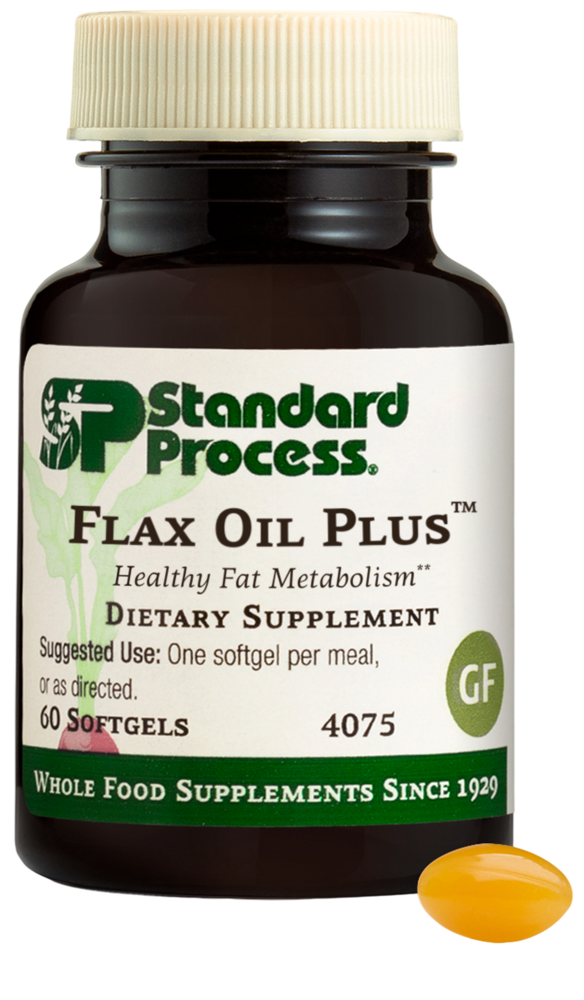
In my practice, one of the most consistent nutritional deficiencies I encounter is an imbalanced omega-6 to omega-3 fatty acid ratio, often running as high as 20:1 in the standard American diet when the therapeutic target is closer to 4:1 or lower. Flax Oil Plus addresses this gap by delivering a concentrated source of alpha-linolenic acid (ALA), the plant-based precursor to the longer-chain omega-3 fatty acids EPA and DHA. For patients who follow vegetarian or vegan diets, or who cannot tolerate fish-derived oils, this formulation offers a clinically meaningful alternative.
Flaxseed oil has been used therapeutically for centuries, but modern cold-press extraction technology has allowed us to preserve the delicate polyunsaturated fats and bioactive lignans that are easily destroyed by heat and oxidation. Flax Oil Plus is manufactured using this cold-press method and is typically encapsulated in soft gels with nitrogen flushing to minimize lipid peroxidation. This attention to production quality is something I look for when recommending any fat-soluble supplement, because rancid oils are not only ineffective but can actively increase oxidative stress.
What distinguishes Flax Oil Plus from a basic flaxseed oil capsule is the inclusion of synergistic co-factors, such as vitamin E (as mixed tocopherols), borage oil, and flaxseed lignans, which broaden its therapeutic applications. Together, these ingredients support not only cardiovascular and inflammatory pathways, but also hormonal metabolism, skin integrity, and cellular membrane function. I routinely recommend this product as part of a broader foundational nutrition protocol for patients managing chronic inflammation, dry skin conditions, or early cardiovascular risk markers.
Key Benefits of Flax Oil Plus
- Cardiovascular Risk Reduction: ALA from flaxseed oil has been shown to reduce LDL cholesterol oxidation, lower triglycerides, and improve arterial elasticity through anti-inflammatory modulation of eicosanoid pathways. Consistent supplementation supports healthier lipid profiles in patients with borderline dyslipidemia.
- Systemic Inflammation Modulation: The omega-3 fatty acids in this formulation compete with arachidonic acid for cyclooxygenase and lipoxygenase enzymes, reducing the production of pro-inflammatory prostaglandins and leukotrienes. This mechanism is particularly beneficial for patients with joint discomfort, autoimmune tendencies, or chronic low-grade inflammation.
- Hormonal Balance and Estrogen Metabolism: Flaxseed lignans, specifically secoisolariciresinol diglucoside (SDG), act as phytoestrogens that bind estrogen receptors with weak agonist or antagonist activity depending on the hormonal environment. This makes them clinically relevant for supporting healthy estrogen metabolism in both perimenopausal women and men with estrogen dominance patterns.
- Skin Hydration and Barrier Function: The combination of ALA and gamma-linolenic acid (GLA) from borage oil supports ceramide synthesis and transepidermal water retention, which translates clinically to improvements in dry, flaky, or eczema-prone skin. Patients on low-fat diets frequently present with these skin findings, and essential fatty acid repletion is often the most direct intervention.
- Neurological and Cognitive Support: Essential fatty acids are structural components of neuronal cell membranes and myelin sheaths, and adequate ALA intake supports the conversion pathway to DHA, which is critical for synaptic plasticity and neurotransmitter receptor function. While conversion efficiency varies by individual, the foundational provision of ALA in this supplement contributes meaningfully to nervous system nutrition.
Ingredients
Flax Oil Plus is built on a focused whole food ingredient base:
- Cold-Pressed Flaxseed Oil (ALA): The primary active ingredient, providing 50-60% alpha-linolenic acid per serving. ALA is an essential omega-3 fatty acid that serves as the substrate for endogenous synthesis of EPA and DHA, and directly reduces pro-inflammatory cytokine expression including IL-6 and TNF-alpha through NF-kB pathway inhibition.
- Flaxseed Lignans (SDG): Secoisolariciresinol diglucoside is a polyphenolic antioxidant and phytoestrogen found concentrated in the flaxseed hull. In the gut, SDG is converted by intestinal bacteria to enterolactone and enterodiol, metabolites that modulate estrogen receptor activity and have demonstrated protective associations with hormone-sensitive tissue health.
- Borage Oil (GLA): Borage oil provides gamma-linolenic acid, an omega-6 fatty acid that, unlike most dietary omega-6s, follows an anti-inflammatory rather than pro-inflammatory metabolic pathway by preferentially producing DGLA rather than arachidonic acid. GLA is particularly effective for skin barrier repair, nerve function support, and modulating rheumatoid and atopic inflammatory conditions.
- Vitamin E (Mixed Tocopherols): Included as a lipid-soluble antioxidant to protect the highly unsaturated fatty acids in the formulation from oxidation both within the capsule and following absorption. Mixed tocopherols also exert independent biological activity, including inhibition of platelet aggregation and suppression of smooth muscle cell proliferation relevant to cardiovascular protection.
Get Flax Oil Plus Today
Don't overpay on Amazon! Buy Flax Oil Plus directly from Dr. Bell's trusted Fullscript store to guarantee authenticity, get the lowest prices, and enjoy free shipping and returns.
Potential Side Effects & Precautions
Flax Oil Plus is generally well tolerated, but consider the following:
- Flax Oil Plus is generally well-tolerated at recommended doses, but some patients report mild gastrointestinal symptoms such as bloating, loose stools, or a sense of fullness, particularly during the first one to two weeks of supplementation. Starting with one capsule daily and titrating upward over two weeks typically minimizes these initial digestive adjustments.
- Because ALA and GLA have mild blood-thinning properties through inhibition of platelet aggregation, patients taking anticoagulant or antiplatelet medications such as warfarin, aspirin, or clopidogrel should consult their prescribing physician before beginning this supplement. Clinically significant bleeding interactions are rare, but the additive effect warrants monitoring, especially pre-surgically.
- Individuals with hormone-sensitive conditions, including estrogen receptor-positive breast cancer, endometriosis, or uterine fibroids, should discuss lignan-containing supplements with their oncologist or gynecologist before use. While SDG acts as a weak phytoestrogen and may actually compete with endogenous estrogen at receptor sites, the individual clinical context must guide that decision.
- Oxidative rancidity is a practical concern with all polyunsaturated fatty acid supplements. I advise patients to store Flax Oil Plus in the refrigerator after opening, to check the expiration date before use, and to discontinue use if the capsules have a strong fishy or paint-like odor, as these are indicators of lipid peroxidation that would negate the product's therapeutic value and increase oxidative burden.
The Science Behind It
Peer-reviewed research on key ingredients and mechanisms relevant to Flax Oil Plus:
Flaxseed and Cardiovascular Risk Factors: Results from a Double Blind, Randomized, Controlled Clinical Trial
This randomized controlled trial found that daily flaxseed supplementation significantly reduced total cholesterol, LDL cholesterol, and fasting blood glucose in participants over 12 weeks. The findings support the use of flaxseed-derived ALA and lignans as a dietary intervention for modifiable cardiovascular risk factors.
Dietary Flaxseed Lignan Extract Lowers Plasma Cholesterol and Glucose Concentrations in Hypercholesterolaemic Subjects
This study demonstrated that isolated flaxseed lignan extract (SDG) reduced LDL cholesterol and fasting glucose in hypercholesterolemic adults, independent of ALA content. The results highlight the independent cardiovascular contribution of the lignan fraction in flaxseed-based supplements.
Gamma-Linolenic Acid, Dihomogamma-Linolenic Acid and Eicosapentaenoic Acid as Modulators of Cellular Inflammation
This review detailed the mechanistic pathways by which GLA is preferentially converted to the anti-inflammatory DGLA rather than arachidonic acid, suppressing pro-inflammatory prostaglandin E2 and leukotriene B4 synthesis. The findings are directly relevant to the inclusion of borage oil GLA in formulations targeting chronic inflammatory conditions.
Alpha-Linolenic Acid and Risk of Cardiovascular Disease: A Systematic Review and Meta-Analysis
This meta-analysis of prospective cohort studies found that higher ALA intake was associated with a significantly reduced risk of fatal coronary heart disease and total cardiovascular events. The study reinforces the clinical rationale for supplementing ALA-rich flaxseed oil in patients with cardiovascular risk profiles.
Dr. Bell's Verdict
After evaluating the formulation, the manufacturing standards, and the clinical evidence supporting its core ingredients, I consider Flax Oil Plus to be a high-quality, thoughtfully designed essential fatty acid supplement appropriate for a broad range of patients. Its combination of ALA-rich flaxseed oil, anti-inflammatory GLA from borage oil, hormonally active lignans, and protective tocopherols creates a multi-mechanism product that outperforms single-ingredient flaxseed oil capsules in therapeutic scope.
I recommend Flax Oil Plus most confidently for patients seeking a plant-based omega-3 source, those with dry or inflammatory skin conditions, perimenopausal women looking for gentle hormonal support, and individuals with early cardiovascular risk who are not yet candidates for fish oil therapy. For patients with more advanced omega-3 deficiency or neurological conditions requiring direct EPA and DHA, I would use this in conjunction with a concentrated marine or algal omega-3 rather than as a standalone intervention.
Frequently Asked Questions
Is Flax Oil Plus a suitable substitute for fish oil?
Flax Oil Plus provides ALA, which the body must convert to EPA and DHA. This conversion is often inefficient, with studies suggesting only 5-15% of ALA converts to EPA and less than 1% to DHA in most adults. For patients who cannot use fish or algal oil, it is a meaningful plant-based alternative, but for conditions requiring direct EPA and DHA such as major depression or significant cardiovascular disease, I recommend pairing it with an algae-based omega-3 supplement.
How long does it take to notice results from Flax Oil Plus?
Cell membrane fatty acid composition changes over a period of four to twelve weeks with consistent supplementation, so most patients should not expect immediate effects. Skin hydration improvements tend to be noticed earliest, often within three to four weeks, while lipid panel changes and inflammatory marker reductions typically require six to twelve weeks of daily use to become measurable.
Can men take Flax Oil Plus safely given the phytoestrogen content?
Yes, men can safely use Flax Oil Plus. The lignan-derived phytoestrogens SDG, enterolactone, and enterodiol occupy estrogen receptors with very weak activity and in many contexts actually help moderate excess estrogen signaling, which can be beneficial for men with estrogen dominance patterns. Population studies have not shown adverse hormonal effects in men consuming flaxseed lignans at typical supplemental doses.
Should Flax Oil Plus be taken with food?
I strongly recommend taking Flax Oil Plus with a meal that contains some dietary fat. Fat-soluble nutrients and essential fatty acids are absorbed through the same lymphatic pathway as dietary fats, and taking this supplement with a fat-containing meal significantly improves the bioavailability of its active components. Taking it on an empty stomach also increases the likelihood of gastrointestinal discomfort.
Where to Buy Flax Oil Plus
Don't overpay on Amazon! Buy Flax Oil Plus directly from Dr. Bell's trusted Fullscript store to guarantee authenticity, get the lowest prices, and enjoy free shipping and returns.