Flax Oil with B6 Review
Introduction
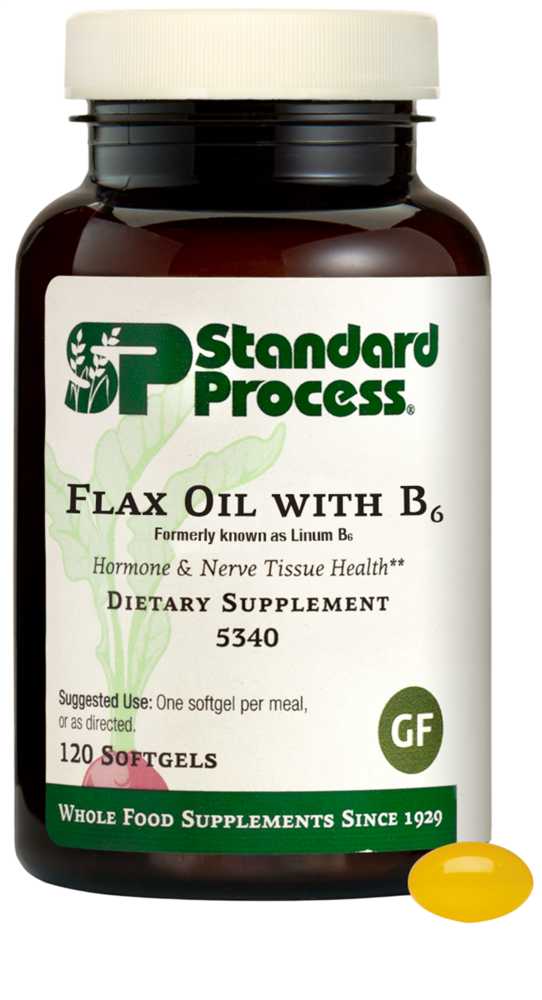
As a chiropractor and nutritional specialist, I frequently encounter patients who need essential fatty acid support but prefer plant-based sourcing over fish oil. Flax Oil with B6 addresses this clinical need by delivering cold-pressed flaxseed oil — one of the richest plant-based sources of alpha-linolenic acid (ALA) — paired with pyridoxine hydrochloride, the active form of vitamin B6. This combination is thoughtfully designed rather than arbitrary, as the two nutrients work synergistically at the enzymatic level.
ALA is classified as an essential fatty acid, meaning the human body cannot synthesize it endogenously and must obtain it through dietary or supplemental sources. Once absorbed, ALA undergoes a series of elongation and desaturation steps to produce EPA and DHA, the biologically active long-chain omega-3s that drive anti-inflammatory prostaglandin synthesis, support neuronal membrane integrity, and regulate cardiovascular function. Critically, vitamin B6 serves as a necessary cofactor for delta-6-desaturase, the rate-limiting enzyme in this conversion pathway.
In my clinical practice, I view this supplement as particularly valuable for patients who present with signs of essential fatty acid insufficiency — such as dry skin, joint stiffness, mood dysregulation, or elevated inflammatory markers — and who either cannot tolerate or choose to avoid fish-derived omega-3 products. The addition of B6 also independently addresses common deficiency patterns seen in individuals with high protein intake, oral contraceptive use, or chronic stress, making this a genuinely multi-targeted formulation.
Key Benefits of Flax Oil with B6
- Cardiovascular Lipid Support: ALA from flaxseed oil has been associated with reductions in LDL cholesterol, total cholesterol, and triglyceride levels, contributing to a healthier cardiovascular lipid profile. Vitamin B6 simultaneously supports homocysteine metabolism, helping to reduce this independent cardiovascular risk marker.
- Healthy Inflammation Response: Alpha-linolenic acid serves as the precursor to EPA, which is converted to Series 3 prostaglandins and leukotrienes with potent anti-inflammatory signaling properties. This downstream effect supports patients dealing with musculoskeletal inflammation, joint discomfort, and systemic low-grade inflammatory states.
- Nervous System & Neurological Nourishment: Omega-3 fatty acids derived from ALA are incorporated into neuronal phospholipid membranes, supporting signal transduction, myelin sheath integrity, and neurotransmitter receptor function. Vitamin B6 independently supports the synthesis of serotonin, dopamine, GABA, and norepinephrine, making this combination especially supportive of mood and cognitive health.
- Hormonal & Premenstrual Balance: Vitamin B6 has a well-established clinical record in supporting hormone metabolism and reducing premenstrual symptoms including bloating, irritability, and breast tenderness. The anti-inflammatory fatty acid component further supports prostaglandin balance relevant to menstrual comfort.
- Skin & Cellular Membrane Integrity: Essential fatty acids from flaxseed oil are foundational components of cell membranes throughout the body, supporting skin hydration, elasticity, and barrier function. Patients with dry, flaky, or inflamed skin conditions often show noticeable improvement with consistent essential fatty acid supplementation.
Ingredients
Flax Oil with B6 is built on a focused whole food ingredient base:
- Flaxseed Oil (cold-pressed): Provides approximately 50-60% alpha-linolenic acid (ALA), the parent omega-3 essential fatty acid. Cold-pressing preserves heat-sensitive lignans and tocopherols that protect the oil from oxidation and confer additional antioxidant benefit.
- Alpha-Linolenic Acid (ALA): The primary active omega-3 fatty acid in flaxseed oil, ALA serves as the metabolic precursor to EPA and DHA through delta-6-desaturase and elongase enzyme activity. It directly influences prostaglandin synthesis pathways, membrane fluidity, and cardiovascular lipid metabolism.
- Pyridoxine Hydrochloride (Vitamin B6): A water-soluble B vitamin functioning as pyridoxal-5-phosphate (PLP) in its active coenzyme form, B6 is required for over 100 enzymatic reactions including transamination, decarboxylation, and the conversion of ALA to longer-chain omega-3s. It also regulates homocysteine metabolism and neurotransmitter biosynthesis.
- Flaxseed Lignans: Naturally occurring plant polyphenols found in cold-pressed flaxseed oil that exhibit antioxidant and phytoestrogenic properties. Lignans support hormonal balance and provide protective antioxidant activity that helps stabilize the oil itself against lipid peroxidation.
Get Flax Oil with B6 Today
Don't overpay on Amazon! Buy Flax Oil with B6 directly from Dr. Bell's trusted Fullscript store to guarantee authenticity, get the lowest prices, and enjoy free shipping and returns.
Potential Side Effects & Precautions
Flax Oil with B6 is generally well tolerated, but consider the following:
- Flax oil is generally very well tolerated, but some individuals may experience mild gastrointestinal effects such as loose stools, bloating, or a sensation of fullness, particularly when initiating supplementation or taking higher doses. Starting with a lower dose and gradually increasing intake typically resolves these transient symptoms.
- Because flaxseed oil contains significant amounts of polyunsaturated fatty acids, there is a theoretical risk of increased bleeding time at very high doses, particularly in individuals already taking anticoagulant medications such as warfarin or aspirin. I recommend patients on blood-thinning therapy consult with their prescribing physician before initiating any essential fatty acid supplement.
- High-dose vitamin B6 supplementation (typically above 200 mg per day over prolonged periods) has been associated with sensory peripheral neuropathy in the published literature; however, the doses found in combination products like this are typically in the range of 2-25 mg per day, well within established safe upper limits. At standard supplemental doses, B6 toxicity is not a clinical concern for the vast majority of users.
- Flaxseed oil is susceptible to oxidative rancidity and should be refrigerated after opening and consumed within the manufacturer's recommended window. Consuming oxidized or rancid oils can introduce free radical load rather than antioxidant benefit, so I always counsel patients to check freshness and store products properly.
The Science Behind It
Peer-reviewed research on key ingredients and mechanisms relevant to Flax Oil with B6:
Alpha-linolenic acid and cardiovascular risk: A systematic review and meta-analysis
This meta-analysis evaluated the relationship between ALA intake and cardiovascular disease risk, finding that higher ALA consumption was associated with a reduced risk of fatal coronary heart disease. The findings support the use of flaxseed oil as a plant-based strategy for cardiovascular lipid and event risk management.
Flaxseed supplementation (not dietary fat restriction) reduces pro-inflammatory eicosanoid and platelet aggregation status in healthy young men
This study demonstrated that daily flaxseed supplementation significantly reduced thromboxane B2 and other pro-inflammatory eicosanoids, suggesting a meaningful anti-inflammatory and anti-thrombotic effect from ALA-rich flaxseed. Results support the use of flax oil supplementation for patients with inflammatory or cardiovascular concerns.
Vitamin B6 and its role in cell metabolism and physiology
This comprehensive review details the role of pyridoxal-5-phosphate as a coenzyme in over 100 metabolic reactions, including amino acid metabolism, neurotransmitter biosynthesis, and fatty acid desaturation. The review underscores the clinical rationale for pairing B6 with essential fatty acid supplementation to support optimal enzymatic conversion.
Effect of vitamin B6 on plasma homocysteine levels and cardiovascular risk
This study examined the capacity of B6 supplementation to reduce circulating homocysteine, an independent risk factor for cardiovascular disease, finding statistically significant reductions in plasma homocysteine concentrations with regular B6 intake. This finding reinforces the complementary cardiovascular benefit of combining B6 with omega-3 fatty acids in a single formulation.
Dr. Bell's Verdict
Flax Oil with B6 represents a clinically coherent and practically valuable formulation for patients seeking plant-based omega-3 support with an intelligent metabolic cofactor included. The pairing of ALA with pyridoxine is not merely incidental — it directly addresses the rate-limiting enzymatic bottleneck in omega-3 conversion, making this combination more physiologically effective than flax oil delivered in isolation.
I recommend this product as a foundational daily supplement for patients with cardiovascular risk factors, inflammatory joint concerns, mood or neurotransmitter imbalances, or those transitioning away from fish oil for dietary or ethical reasons. When combined with a whole-food diet and appropriate lifestyle modifications, this supplement offers meaningful support across multiple body systems and earns a place in a well-rounded nutritional protocol.
Frequently Asked Questions
Is flax oil with B6 as effective as fish oil for omega-3 benefits?
Flax oil provides ALA, which must be converted to EPA and DHA by the body, whereas fish oil delivers EPA and DHA directly. Conversion efficiency in humans varies — typically between 5-15% for EPA and less for DHA — so flax oil is not a complete substitute for fish oil in all clinical situations. However, the inclusion of B6 in this formulation helps optimize the conversion process, making it meaningfully more effective than plain flax oil. For patients with severe omega-3 deficiency or specific neurological needs, I may still recommend fish oil as a primary source.
Can I take this supplement if I am vegetarian or vegan?
Yes, Flax Oil with B6 is entirely plant-derived and suitable for vegetarians and vegans. Flaxseed oil is cold-pressed from flax plant seeds, and vitamin B6 in its pyridoxine HCl form is synthetically produced and animal-free. This makes it one of the most accessible omega-3 options for plant-based patients who cannot use fish or krill oil.
When is the best time to take flax oil with B6?
I generally recommend taking this supplement with a meal that contains some dietary fat to optimize the absorption of the fat-soluble omega-3 components. Vitamin B6 is water-soluble and absorbed efficiently regardless of food timing, but taking the supplement with food also helps minimize any potential gastrointestinal sensitivity. Morning or midday dosing tends to be easiest for patient compliance.
How long does it take to notice benefits from flax oil with B6?
Essential fatty acid incorporation into cell membranes is a gradual process, and most patients begin to notice meaningful improvements in skin hydration, joint comfort, and mood stability within four to eight weeks of consistent daily use. Cardiovascular lipid changes, such as improvements in cholesterol or triglyceride levels, are typically detectable on blood panels after eight to twelve weeks. I advise patients to commit to a ninety-day trial period before evaluating full efficacy.
Where to Buy Flax Oil with B6
Don't overpay on Amazon! Buy Flax Oil with B6 directly from Dr. Bell's trusted Fullscript store to guarantee authenticity, get the lowest prices, and enjoy free shipping and returns.