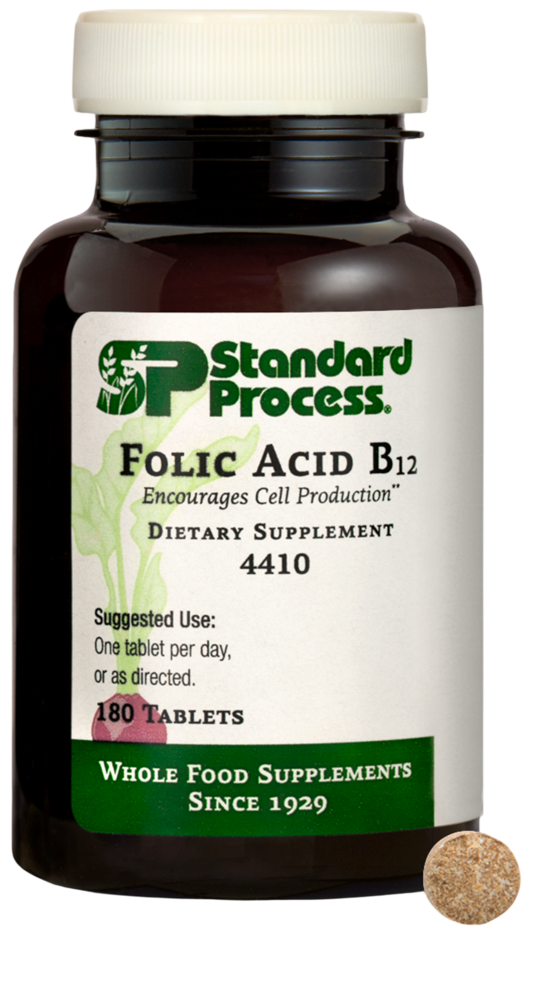
Folic Acid B12 Review
Introduction
As a Doctor of Chiropractic with a strong focus on functional nutrition, I frequently see patients whose fatigue, neurological complaints, and cardiovascular risk factors trace back to deficiencies in just two nutrients: folate and vitamin B12. These two B vitamins are not simply supportive add-ons to a supplement regimen — they are foundational co-factors in the one-carbon metabolism pathway, which governs DNA synthesis, repair, and methylation across virtually every cell in the body. Understanding how they interact is essential before evaluating any combined supplement in this category.
Folic acid, the synthetic form of folate (vitamin B9), serves as a methyl donor in the folate cycle, ultimately converting homocysteine to methionine in concert with B12. Vitamin B12, or cobalamin, exists primarily as methylcobalamin and adenosylcobalamin in biological systems and is required for the function of two critical enzymes: methionine synthase and methylmalonyl-CoA mutase. When either nutrient is absent or insufficient, this cascade stalls, leading to hyperhomocysteinemia, megaloblastic anemia, and progressive neurological damage — outcomes that are preventable with appropriate supplementation.
What sets a well-formulated Folic Acid B12 supplement apart is not just the presence of both nutrients, but the dosing ratios, the form of B12 used, and whether the folate is provided as folic acid or the more bioavailable methylfolate (5-MTHF). In my clinical practice, I evaluate these products carefully because patients with MTHFR gene variants may not adequately convert folic acid to its active form, making formulation choices genuinely consequential. This review will walk through the science, clinical benefits, safety profile, and practical considerations for anyone evaluating a Folic Acid B12 supplement.
Key Benefits of Folic Acid B12
- Homocysteine Regulation: Elevated homocysteine is an independent risk factor for cardiovascular disease, stroke, and cognitive decline. Folate and B12 together drive the remethylation of homocysteine back to methionine, making this combination one of the most evidence-based nutritional strategies for reducing plasma homocysteine levels.
- Neurological Protection and Repair: Vitamin B12 as methylcobalamin is essential for myelin sheath synthesis and maintenance, protecting nerve fibers from demyelination. Patients presenting with peripheral neuropathy, tingling extremities, or cognitive fog frequently show low-normal or deficient B12 levels, and supplementation has demonstrated measurable improvements in nerve conduction and cognitive function.
- Red Blood Cell Formation and Anemia Prevention: Both folic acid and B12 are required for proper DNA synthesis during red blood cell maturation in the bone marrow. Deficiency in either nutrient impairs this process and results in megaloblastic anemia, characterized by large, dysfunctional red blood cells and systemic fatigue — a condition directly resolved through adequate combined supplementation.
- Neural Tube Defect Prevention During Pregnancy: Adequate folate intake in the periconceptional period is one of the most robustly supported interventions in all of preventive medicine, reducing the risk of neural tube defects such as spina bifida by up to 70%. The CDC and WHO both recommend folic acid supplementation for all women of childbearing age, and pairing it with B12 ensures that the methylation cycle supporting fetal neurological development is fully supported.
- Cognitive Function and Mood Support: Methylation reactions dependent on folate and B12 are critical for the biosynthesis of neurotransmitters including serotonin, dopamine, and norepinephrine. Clinical evidence links deficiencies in both nutrients to increased rates of depression, cognitive decline, and dementia, and supplementation has shown promise in slowing age-related brain atrophy when homocysteine is also reduced.
Ingredients
Folic Acid B12 is built on a focused whole food ingredient base:
- Folic Acid (Vitamin B9): The synthetic precursor to 5-methyltetrahydrofolate (5-MTHF), folic acid must be converted by the enzyme MTHFR to its active form for participation in the folate cycle. It donates methyl groups essential for DNA synthesis, RNA production, and the remethylation of homocysteine; individuals with MTHFR polymorphisms may benefit more from formulas providing 5-MTHF directly.
- Vitamin B12 (Cyanocobalamin or Methylcobalamin): Cyanocobalamin is the most stable and commonly used form of B12 in supplements, requiring conversion to methylcobalamin and adenosylcobalamin in vivo; methylcobalamin is the bioactive form directly usable by methionine synthase. As a cofactor in two critical enzymatic reactions, B12 is indispensable for neurological integrity, mitochondrial energy metabolism, and homocysteine clearance.
- Methylcobalamin (Active B12 Form): When included as the primary B12 source, methylcobalamin bypasses conversion steps and is immediately available for methionine synthase activity and myelin synthesis. Clinical studies have specifically used methylcobalamin in neuropathy and cognitive decline research, suggesting superior tissue uptake and neurological efficacy compared to cyanocobalamin in sensitive populations.
- 5-Methyltetrahydrofolate (5-MTHF / Methylfolate): The bioactive, end-product form of folate that crosses the blood-brain barrier and is directly usable in methylation reactions without requiring MTHFR enzyme conversion. Premium Folic Acid B12 formulas increasingly substitute or co-include 5-MTHF to ensure efficacy across all genetic profiles, particularly for patients with known MTHFR C677T or A1298C variants.
Get Folic Acid B12 Today
Don't overpay on Amazon! Buy Folic Acid B12 directly from Dr. Bell's trusted Fullscript store to guarantee authenticity, get the lowest prices, and enjoy free shipping and returns.
Potential Side Effects & Precautions
Folic Acid B12 is generally well tolerated, but consider the following:
- Folic acid and B12 supplementation are generally regarded as safe with a well-established tolerability profile at standard supplementation doses. The tolerable upper intake level (UL) for folic acid in adults is set at 1,000 mcg per day from fortified foods and supplements, primarily because high doses can mask the hematological signs of B12 deficiency while allowing neurological damage to progress undetected — a critical clinical concern when evaluating patients with macrocytic anemia.
- High-dose folic acid supplementation has been studied in relation to cancer risk, particularly colorectal cancer, with some research suggesting a potential promoting effect on pre-existing lesions when consumed at pharmacological doses over extended periods. However, at standard supplemental doses of 400–800 mcg, this concern is not supported by robust evidence, and the cardiovascular and prenatal benefits are well-established and clinically compelling for most patient populations.
- Vitamin B12 is among the safest vitamins in the human pharmacopeia, with no established tolerable upper limit because excess cobalamin is renally excreted and toxicity has not been established even at doses of 1,000 mcg or more. Rare individuals may experience mild acneiform skin reactions (known as cobalamin-induced acne) with high-dose B12, but this is uncommon and typically resolves upon dose reduction without lasting consequence.
- Patients taking metformin, proton pump inhibitors, H2 receptor antagonists, or certain anticonvulsants should be particularly attentive to B12 and folate status, as these medications actively deplete or impair absorption of both nutrients. Individuals on antifolate medications such as methotrexate should consult their physician before initiating supplementation, as folate status directly affects medication efficacy; similarly, those with polycythemia vera or Leber's hereditary optic neuropathy should exercise caution with high-dose cyanocobalamin forms.
The Science Behind It
Peer-reviewed research on key ingredients and mechanisms relevant to Folic Acid B12:
Homocysteine lowering with folic acid and B vitamins in vascular disease (HOPE-2 Trial)
This landmark randomized controlled trial demonstrated that daily supplementation with folic acid, B6, and B12 significantly reduced plasma homocysteine levels in patients with vascular disease. While it did not show a reduction in major cardiovascular events in this specific population, it confirmed the biochemical efficacy of B-vitamin combinations in homocysteine regulation.
Prevention of neural tube defects: results of the Medical Research Council Vitamin Study
This pivotal MRC trial established that periconceptional folic acid supplementation reduces the recurrence of neural tube defects by approximately 72%, forming the scientific basis for global public health recommendations on folate supplementation in women of childbearing age. It remains one of the most cited studies in nutritional epidemiology and preventive medicine.
Vitamin B12, cognition, and brain MRI measures: a cross-sectional examination
This study found that lower vitamin B12 levels were associated with lower cognitive scores and smaller total brain volume on MRI in older adults, supporting B12's role in maintaining brain structure and cognitive integrity. The findings underscore the clinical relevance of monitoring and maintaining adequate B12 status as a modifiable factor in age-related cognitive decline.
Homocysteine and cardiovascular disease: evidence on causality from a meta-analysis
This comprehensive meta-analysis concluded that elevated plasma homocysteine is an independent risk factor for cardiovascular disease, estimating that a 25% reduction in homocysteine levels correlates with an 11% reduction in ischemic heart disease risk. This evidence directly supports the therapeutic rationale for folate and B12 supplementation as a cardiovascular risk-reduction strategy.
Dr. Bell's Verdict
In my clinical assessment, a well-formulated Folic Acid B12 supplement represents one of the highest-value, evidence-based nutritional interventions available for the right patient population. The synergistic relationship between these two nutrients in the methylation cycle, combined with their independent roles in neurological function, red blood cell production, and cardiovascular risk reduction, makes this combination broadly relevant and therapeutically significant across age groups — from pregnant women and young adults with poor dietary intake to older patients managing cognitive decline and homocysteine levels.
My primary recommendation to patients is to prioritize formulas that use methylcobalamin over cyanocobalamin and consider methylfolate (5-MTHF) alongside or instead of standard folic acid, particularly if MTHFR status is unknown or confirmed as variant. When dosed appropriately and used consistently, Folic Acid B12 supplements earn a strong clinical endorsement — not as a replacement for a nutrient-dense diet, but as a meaningful and often necessary intervention that fills gaps that modern dietary patterns frequently fail to address.
Frequently Asked Questions
What is the difference between folic acid and methylfolate, and which is better?
Folic acid is the synthetic, oxidized form of vitamin B9 that must be enzymatically converted to its active form (5-MTHF) by the MTHFR enzyme. Methylfolate (5-MTHF) is the pre-converted, bioactive form that can be used directly in methylation reactions regardless of your genetic makeup. Individuals with MTHFR gene variants — which affect an estimated 40-60% of the population to varying degrees — convert folic acid inefficiently, making methylfolate the superior choice for those patients. In practice, I often recommend formulas containing methylfolate or a combination of both forms for broader efficacy.
Why do folic acid and B12 need to be taken together?
Folate and B12 function in an interdependent biochemical cycle: folate donates the methyl group, and B12 (as methylcobalamin) is required to transfer that methyl group onto homocysteine to form methionine via the enzyme methionine synthase. Without sufficient B12, folate becomes 'trapped' in an unusable form — a phenomenon known as the methyl-trap hypothesis — halting DNA synthesis and methylation. Taking them together ensures the entire one-carbon metabolism pathway functions optimally, and prevents either nutrient from creating a bottleneck in the cycle.
Can Folic Acid B12 supplements help with energy levels?
Yes, but with an important clinical nuance: this supplement supports energy most meaningfully in individuals whose fatigue is related to megaloblastic anemia, B12 deficiency, or impaired mitochondrial metabolism. B12 in its adenosylcobalamin form is a cofactor for methylmalonyl-CoA mutase, an enzyme critical for mitochondrial energy production from fatty acids and amino acids. If fatigue is caused by adrenal dysfunction, thyroid imbalance, or poor sleep, B12 and folate alone will not correct the root cause — a comprehensive evaluation is always warranted.
How do I know if I am deficient in B12 or folic acid?
Deficiency in either nutrient can present with overlapping symptoms including fatigue, weakness, pallor, shortness of breath, and brain fog, making clinical presentation alone insufficient for diagnosis. I recommend requesting a comprehensive panel including serum B12, serum folate, red blood cell (RBC) folate, homocysteine, and methylmalonic acid (MMA) — elevated MMA is a highly specific marker of functional B12 deficiency even when serum B12 appears borderline normal. Individuals following plant-based diets, those over 50 with reduced gastric acid production, and anyone on the medications listed in the side effects section should prioritize routine testing.
Where to Buy Folic Acid B12
Don't overpay on Amazon! Buy Folic Acid B12 directly from Dr. Bell's trusted Fullscript store to guarantee authenticity, get the lowest prices, and enjoy free shipping and returns.