Garlic Review
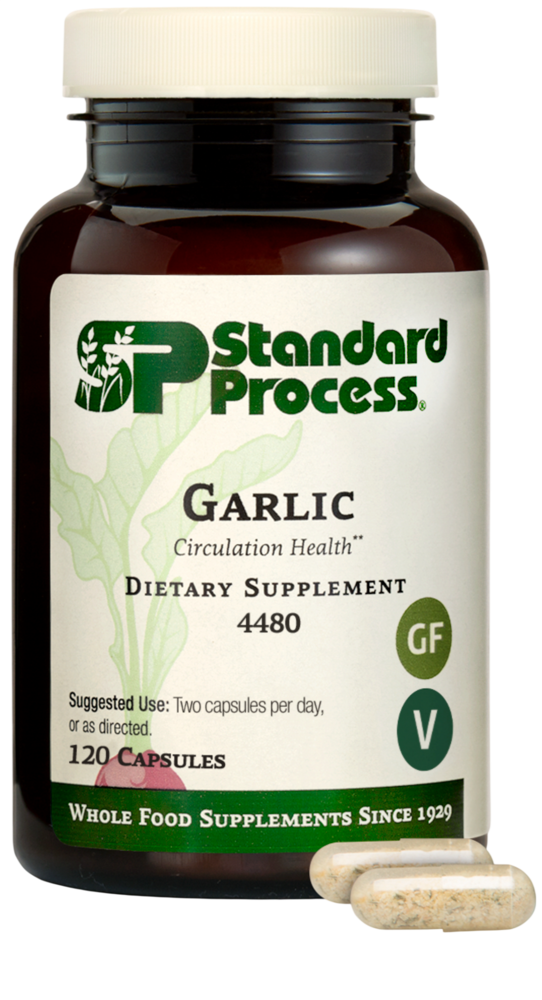
Introduction
Garlic (Allium sativum) has been used therapeutically for over 5,000 years, and modern clinical science has done an impressive job validating what ancient healers already understood intuitively. As a chiropractic physician with a deep focus on functional nutrition, I find garlic to be one of the rare botanical supplements that holds up exceptionally well under rigorous scientific scrutiny. Its breadth of action — spanning cardiovascular health, immune function, antimicrobial activity, and even neurological protection — makes it a genuinely versatile clinical tool.
The therapeutic power of garlic lies almost entirely in its organosulfur chemistry. When raw garlic is crushed or chopped, the enzyme alliinase converts the precursor compound alliin into allicin (diallyl thiosulfinate), which is the primary bioactive molecule responsible for most of garlic's pharmacological effects. From allicin, a cascade of secondary compounds forms — including diallyl disulfide (DADS), diallyl trisulfide (DATS), S-allylcysteine (SAC), and ajoene — each contributing distinct and synergistic therapeutic mechanisms.
In clinical practice, the form of garlic matters considerably. Raw garlic delivers the highest allicin yield but comes with tolerability challenges and significant odor. Aged garlic extract (AGE), produced by prolonged cold aging, sacrifices allicin but yields high concentrations of stable, bioavailable compounds like S-allylcysteine and S-allylmercaptocysteine, which are well-tolerated and demonstrate robust antioxidant activity. Garlic oil and standardized allicin powder preparations occupy a middle ground, and selecting the right form for the right patient is a nuance I take seriously in my supplement recommendations.
Key Benefits of Garlic
- Cardiovascular & Blood Pressure Support: Multiple meta-analyses confirm that garlic supplementation produces clinically meaningful reductions in both systolic and diastolic blood pressure, particularly in hypertensive patients. The mechanism involves hydrogen sulfide (H2S) production from garlic's organosulfur compounds, which promotes vascular smooth muscle relaxation and endothelial nitric oxide synthesis.
- Lipid Profile Optimization: Garlic has demonstrated consistent ability to reduce total cholesterol and LDL cholesterol while modestly raising HDL, largely through inhibition of HMG-CoA reductase — the same enzyme targeted by statin medications. Allicin and its derivatives also reduce hepatic cholesterol synthesis and inhibit platelet aggregation, adding an additional layer of cardiovascular protection.
- Antimicrobial & Antifungal Activity: Allicin exhibits broad-spectrum antimicrobial activity against gram-positive and gram-negative bacteria, including antibiotic-resistant strains such as MRSA, as well as antifungal activity against Candida albicans. This makes garlic a clinically relevant adjunct in gut microbiome restoration protocols and in managing recurrent infections.
- Immune System Modulation: Garlic compounds enhance natural killer (NK) cell activity, stimulate macrophage function, and upregulate cytokine production including interleukin-2 and interferon-gamma, bolstering both innate and adaptive immune responses. Clinical trials have shown that regular garlic supplementation significantly reduces the frequency and duration of upper respiratory infections.
- Antioxidant & Anti-Inflammatory Protection: S-allylcysteine and other aged garlic compounds are potent free radical scavengers that upregulate endogenous antioxidant enzymes including superoxide dismutase (SOD) and glutathione peroxidase. Garlic also inhibits NF-κB signaling, reducing downstream inflammatory cytokine production and offering protection against chronic inflammation-driven disease.
Ingredients
Garlic is built on a focused whole food ingredient base:
- Allicin (Diallyl Thiosulfinate): The primary bioactive compound formed when garlic is crushed or cut, allicin exerts potent antimicrobial, antifungal, and lipid-lowering effects by binding to and inhibiting sulfhydryl-containing enzymes in pathogens and disrupting cellular redox balance. It is unstable and rapidly metabolizes into secondary organosulfur compounds, making standardization of allicin-yielding products clinically important.
- S-Allylcysteine (SAC): SAC is the most abundant and well-studied compound in aged garlic extract, valued for its high oral bioavailability, stability, and potent antioxidant activity. It has demonstrated neuroprotective, hepatoprotective, and cardioprotective effects in clinical and preclinical research, and serves as the primary quality marker for standardized AGE products.
- Diallyl Disulfide (DADS) & Diallyl Trisulfide (DATS): These secondary allicin-derived compounds exhibit significant anticancer activity through induction of apoptosis and cell cycle arrest in malignant cells, and also contribute to garlic's cardiovascular benefits by promoting vasodilation via hydrogen sulfide release. DATS in particular has demonstrated potent activity against Helicobacter pylori and various cancer cell lines in vitro.
- Ajoene: Ajoene is a stable organosulfur compound formed from allicin in garlic oil preparations, recognized for its antiplatelet, antithrombotic, and antifungal properties. It inhibits platelet aggregation by interfering with fibrinogen binding to platelet receptors, making it a meaningful contributor to garlic's overall cardiovascular protective profile.
Get Garlic Today
Don't overpay on Amazon! Buy Garlic directly from Dr. Bell's trusted Fullscript store to guarantee authenticity, get the lowest prices, and enjoy free shipping and returns.
Potential Side Effects & Precautions
Garlic is generally well tolerated, but consider the following:
- The most commonly reported adverse effects of garlic supplementation are gastrointestinal in nature, including bloating, flatulence, nausea, and heartburn. These side effects are most pronounced with raw garlic consumption and are significantly reduced with enteric-coated tablets, aged garlic extract, or taking supplements with food.
- Garlic has measurable antiplatelet and anticoagulant properties, which is clinically relevant for patients taking blood thinners such as warfarin, aspirin, or clopidogrel. I advise patients on anticoagulant therapy to consult their prescribing physician before beginning garlic supplementation and to monitor INR levels closely if they proceed.
- Halitosis and body odor are well-known and socially significant side effects of raw garlic and some garlic oil preparations, resulting from the pulmonary excretion of allyl methyl sulfide. Aged garlic extract formulations substantially mitigate this concern without meaningfully sacrificing therapeutic efficacy, making them the preferred choice for long-term supplementation in my practice.
- In rare cases, garlic supplementation has been associated with allergic reactions including contact dermatitis with topical use and, less commonly, systemic hypersensitivity reactions with oral supplementation. Patients with known Alliaceae family allergies (onion, leek, chives) should exercise caution and consider skin or tolerance testing before initiating supplementation.
The Science Behind It
Peer-reviewed research on key ingredients and mechanisms relevant to Garlic:
Garlic lowers blood pressure in hypertensive individuals, regulates serum cholesterol, and stimulates immunity: an updated meta-analysis and review
This comprehensive meta-analysis of randomized controlled trials confirmed that garlic supplementation significantly reduces systolic and diastolic blood pressure in hypertensive patients and produces favorable changes in total and LDL cholesterol. The authors also reviewed evidence supporting garlic's immune-stimulating effects, reinforcing its multi-system cardiovascular and immunological utility.
Aged garlic extract reduces low attenuation plaque in coronary arteries of patients with diabetes: A randomized, double-blind, placebo-controlled study
This randomized controlled trial found that one year of aged garlic extract supplementation significantly reduced the volume of low-attenuation coronary plaque — a marker of vulnerable, rupture-prone atherosclerotic lesions — compared to placebo in patients with type 2 diabetes. The findings provide compelling direct imaging evidence for garlic's cardioprotective mechanisms beyond simple lipid modulation.
Preventing the Common Cold With a Garlic Supplement: A Double-Blind, Placebo-Controlled Survey
This double-blind placebo-controlled trial demonstrated that daily supplementation with an allicin-containing garlic preparation significantly reduced both the incidence and duration of the common cold compared to placebo over a 12-week winter period. Participants in the garlic group recovered faster and reported fewer symptom days, supporting garlic's clinical role in immune defense against upper respiratory infections.
S-allylcysteine ameliorates oxidative stress and inflammation in streptozotocin-induced diabetic rats
This study demonstrated that S-allylcysteine (SAC), the primary bioactive compound in aged garlic extract, significantly reduced markers of oxidative stress and inflammatory cytokines in a diabetic animal model by upregulating superoxide dismutase and glutathione peroxidase activity. The findings highlight SAC's hepatoprotective and systemic antioxidant mechanisms relevant to its clinical use in cardiometabolic and inflammatory conditions.
Dr. Bell's Verdict
Garlic stands out in my clinical supplement toolkit as one of the most robustly evidence-supported botanicals available, with a safety profile that is well-characterized and generally favorable across most patient populations. Its multi-targeted mechanisms — cardiovascular protection, immune modulation, antimicrobial activity, and antioxidant defense — make it uniquely valuable as both a preventive and therapeutic agent, and I regularly recommend it as part of comprehensive wellness and cardiometabolic protocols.
My preferred form for most patients is a standardized aged garlic extract providing at least 1,200 mg per day with a defined SAC content, as this offers the best balance of efficacy, tolerability, and bioavailability. For patients specifically targeting acute infection or microbial imbalance, an allicin-standardized preparation may be more appropriate. Given its excellent safety record, broad therapeutic utility, and the depth of clinical evidence supporting its use, I rate garlic among the highest-confidence natural supplements I recommend.
Frequently Asked Questions
What is the best form of garlic supplement to take?
The best form depends on your therapeutic goal. For cardiovascular health and long-term antioxidant support, aged garlic extract (AGE) standardized to S-allylcysteine content is my top recommendation due to its superior bioavailability and tolerability. For antimicrobial applications or acute immune support, an allicin-standardized or garlic powder preparation may be more effective, though it comes with a higher likelihood of GI side effects and odor.
How much garlic should I take daily for blood pressure support?
Clinical trials supporting blood pressure reduction have typically used doses ranging from 600 to 1,500 mg per day of garlic powder or aged garlic extract, often divided into two doses. I generally start patients at 1,200 mg of standardized AGE daily and reassess blood pressure response at the six-to-eight week mark, as effects tend to accumulate over time rather than being immediate.
Can garlic interfere with my medications?
Yes, garlic has clinically meaningful interactions with anticoagulants (warfarin, heparin), antiplatelet agents (aspirin, clopidogrel), and some HIV medications including saquinavir. It may also potentiate the effects of antihypertensive and antidiabetic drugs, requiring dosage monitoring. Always disclose garlic supplementation to your prescribing physician, particularly if you are scheduled for surgery, as garlic should typically be discontinued at least one to two weeks prior to any surgical procedure.
Is raw garlic better than a supplement?
Raw garlic delivers the highest allicin yield and is therapeutically potent, but it comes with significant tolerability and adherence challenges including GI irritation, halitosis, and body odor. A well-standardized supplement — particularly aged garlic extract — provides consistent, measurable doses of bioactive compounds without these drawbacks and has been validated in numerous controlled clinical trials. For most patients, a quality supplement offers better long-term compliance and predictable therapeutic outcomes than relying on dietary garlic alone.
Where to Buy Garlic
Don't overpay on Amazon! Buy Garlic directly from Dr. Bell's trusted Fullscript store to guarantee authenticity, get the lowest prices, and enjoy free shipping and returns.