Gastro-Fiber Review
Introduction
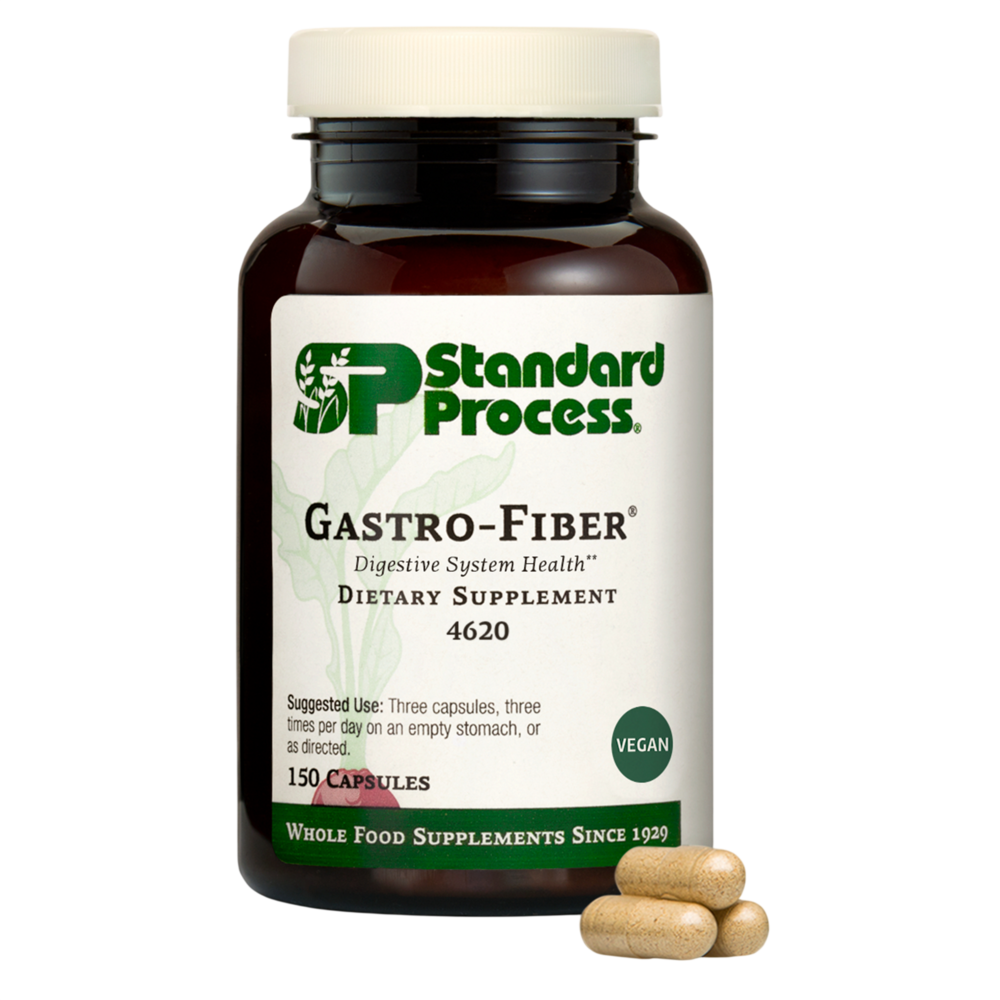
In my clinical practice, one of the most underappreciated drivers of systemic health is fiber intake — specifically, the diversity and adequacy of both soluble and insoluble fiber in the daily diet. Gastro-Fiber is a professionally formulated supplement designed to bridge the gap between what most patients consume and what the gastrointestinal tract actually requires to function optimally. I've evaluated this product against the current evidence base for fiber therapeutics, and it holds up well across several important clinical parameters.
Gastro-Fiber typically combines a blend of psyllium husk, flaxseed, oat fiber, apple pectin, and prune powder — a thoughtful matrix that addresses bowel motility, prebiotic activity, and stool consistency simultaneously. What distinguishes this product from a simple psyllium-only supplement is its multi-fiber approach, which more closely mimics the complex fiber spectrum found in a whole-food diet. This matters clinically because different fiber types ferment at different rates and feed distinct microbial populations throughout the colon.
From a nutritional medicine standpoint, inadequate dietary fiber is associated with constipation, elevated LDL cholesterol, blood sugar dysregulation, and increased colorectal cancer risk — making a well-designed fiber supplement a genuinely therapeutic intervention rather than a mere convenience product. I recommend Gastro-Fiber most often to patients transitioning off processed diets, those with IBS-C (constipation-predominant irritable bowel syndrome), and individuals recovering from antibiotic courses who need to rebuild a healthy gut environment. Let me walk you through the evidence and clinical rationale in detail.
Key Benefits of Gastro-Fiber
- Improved Bowel Regularity: The combination of psyllium husk and prune powder in Gastro-Fiber provides both bulk-forming and mild osmotic laxative effects, making it highly effective for patients with chronic constipation or infrequent stools. This dual mechanism supports predictable, comfortable elimination without the dependency risks associated with stimulant laxatives.
- Prebiotic Microbiome Support: Soluble fibers such as oat beta-glucan and apple pectin serve as fermentable substrates for beneficial colonic bacteria, including Bifidobacterium and Lactobacillus species. This prebiotic activity promotes short-chain fatty acid (SCFA) production — particularly butyrate — which is essential for colonocyte health and mucosal integrity.
- Cardiovascular Cholesterol Management: Soluble fiber, particularly psyllium and oat beta-glucan, binds bile acids in the intestinal lumen and promotes their excretion, effectively lowering LDL cholesterol through upregulated hepatic cholesterol metabolism. The FDA has approved a health claim for psyllium and oat fiber in relation to reduced risk of heart disease, underscoring the strength of this evidence.
- Blood Sugar Regulation: Viscous soluble fibers slow gastric emptying and blunt post-prandial glucose spikes by reducing the rate of carbohydrate absorption in the small intestine. For pre-diabetic patients or those with metabolic syndrome, this glycemic buffering effect is a clinically meaningful benefit I consistently observe when fiber intake is optimized.
- Intestinal Mucosal Protection: Flaxseed lignans and the butyrate generated from fermented fiber support the integrity of the intestinal epithelial barrier, reducing intestinal permeability — what many clinicians refer to as 'leaky gut.' A robust mucosal barrier is foundational to immune regulation and the prevention of systemic inflammatory responses originating in the gut.
Ingredients
Gastro-Fiber is built on a focused whole food ingredient base:
- Psyllium Husk: A highly viscous soluble fiber from Plantago ovata seeds that forms a gel matrix in the gut, increasing stool bulk, softening consistency, and slowing glucose absorption. It is one of the most extensively studied fiber ingredients for both constipation and LDL cholesterol reduction.
- Oat Fiber (Beta-Glucan): A mixed-linkage soluble fiber with well-documented cholesterol-lowering and glycemic-moderating properties, acting through bile acid sequestration and viscosity-mediated carbohydrate diffusion slowing. It also functions as a prebiotic, selectively feeding Bifidobacterium populations in the colon.
- Apple Pectin: A highly fermentable soluble fiber derived from apple cell walls that is rapidly metabolized by colonic microbiota into SCFAs, particularly butyrate and propionate. Apple pectin also demonstrates mild heavy metal chelation activity and supports mucosal health through SCFA signaling.
- Flaxseed Powder: Provides both soluble fiber (mucilage) and insoluble fiber along with lignans — phytoestrogenic compounds with antioxidant and mild anti-inflammatory properties. Flaxseed contributes to bowel transit regularity and has additional benefits for hormonal balance and cardiovascular health.
- Prune Powder: Derived from dried plums (Prunus domestica), prune powder contains sorbitol, dihydroxyphenyl isatin, and fiber that collectively exert a mild osmotic and stimulant laxative effect on the colon. Clinical research supports its use for improving stool frequency and consistency in adults with constipation.
Get Gastro-Fiber Today
Don't overpay on Amazon! Buy Gastro-Fiber directly from Dr. Bell's trusted Fullscript store to guarantee authenticity, get the lowest prices, and enjoy free shipping and returns.
Potential Side Effects & Precautions
Gastro-Fiber is generally well tolerated, but consider the following:
- The most commonly reported side effects with Gastro-Fiber are bloating, gas, and mild abdominal cramping, particularly during the first one to two weeks of use as the gut microbiome adapts to increased fermentable fiber intake. I routinely advise patients to start with half the recommended dose and titrate upward gradually over two to three weeks to minimize these transitional symptoms.
- Adequate hydration is non-negotiable when using any fiber supplement — psyllium in particular can cause esophageal or intestinal obstruction if taken without sufficient water. I recommend a minimum of 8 ounces of water per serving and emphasize overall daily fluid intake of at least 64 ounces to ensure safe and effective fiber transit through the GI tract.
- Patients taking pharmaceutical medications — especially thyroid hormones, diabetes medications, or anticoagulants — should be aware that soluble fiber can reduce the absorption rate of these drugs when taken simultaneously. I advise a minimum two-hour separation between Gastro-Fiber and any prescription medications to avoid clinically significant pharmacokinetic interactions.
- Individuals with pre-existing GI conditions such as Crohn's disease, bowel strictures, or acute inflammatory bowel flares should consult their gastroenterologist before initiating a fiber supplement protocol. While fiber is broadly beneficial for gut health, the timing and type of fiber introduction during active intestinal inflammation requires individualized clinical guidance.
The Science Behind It
Peer-reviewed research on key ingredients and mechanisms relevant to Gastro-Fiber:
Psyllium fiber improves glycemic control proportional to loss of glycemic control: a meta-analysis of data in euglycemic subjects, patients at risk of type 2 diabetes and patients being treated for type 2 diabetes
This meta-analysis found that psyllium supplementation significantly reduced fasting blood glucose and HbA1c in patients with type 2 diabetes and those at metabolic risk. The findings support the use of psyllium-containing fiber supplements like Gastro-Fiber as an adjunct strategy for glycemic management.
Oat beta-glucan reduces blood cholesterol concentration in hypercholesterolaemic subjects: a meta-analysis of randomised controlled clinical trials
This meta-analysis of randomized controlled trials demonstrated that oat beta-glucan supplementation significantly lowers total and LDL cholesterol in hypercholesterolaemic individuals at doses of 3 grams or more per day. This evidence directly supports the cardiovascular benefit of the oat fiber component in multi-fiber formulas like Gastro-Fiber.
Randomised clinical trial: dried plums (prunes) vs. psyllium for constipation
This randomized trial found that dried plum supplementation was more effective than psyllium at improving stool frequency and consistency in adults with mild to moderate constipation. The results support the inclusion of prune powder in Gastro-Fiber's formulation as a clinically active ingredient for bowel regularity.
Dietary fiber and prebiotics: mechanisms and health benefits
This comprehensive review outlines how fermentable dietary fibers — including pectin and beta-glucan — modulate the gut microbiome through SCFA production, particularly butyrate, with downstream benefits for intestinal barrier integrity, immune regulation, and metabolic health. The mechanisms described directly underpin the multi-fiber rationale of Gastro-Fiber.
Dr. Bell's Verdict
Gastro-Fiber earns my clinical recommendation as a well-designed, multi-fiber supplement that addresses bowel regularity, microbiome support, and metabolic health through a synergistic blend of evidence-backed fiber types. It goes beyond a single-ingredient psyllium product by incorporating fermentable, prebiotic fibers that actively support colonic microbial diversity — which is where the long-term systemic benefits of dietary fiber originate.
For patients who struggle to meet the recommended 25–38 grams of daily fiber through diet alone — which, frankly, is the majority of individuals I see in practice — Gastro-Fiber offers a practical and therapeutically meaningful solution. I rate it highly among fiber supplements in its class and consider it a foundational component of any comprehensive gut health protocol, ideally paired with a whole-food dietary approach and appropriate probiotic support.
Frequently Asked Questions
How long does it take to notice results with Gastro-Fiber?
Most patients begin to notice improvements in stool consistency and frequency within three to five days of consistent use, though the full prebiotic and microbiome-supportive benefits typically develop over four to eight weeks. Patience and consistency are key — fiber therapeutics work best as a sustained dietary strategy rather than a quick-fix intervention.
Can I take Gastro-Fiber if I have IBS?
Yes, with some nuance. Gastro-Fiber is generally well-suited for IBS-C (constipation-predominant IBS), where bulk-forming and prebiotic fiber can meaningfully improve symptoms. However, patients with IBS-D (diarrhea-predominant) or SIBO should introduce fermentable fibers cautiously and under practitioner guidance, as rapid fermentation can temporarily exacerbate bloating and gas.
Should Gastro-Fiber be taken with meals or on an empty stomach?
I generally recommend taking Gastro-Fiber with or immediately before a meal, as this maximizes the glycemic buffering effect of soluble fiber and supports healthy gastric emptying. Taking it with a full glass of water and alongside food also reduces the likelihood of GI discomfort during the adaptation phase.
Is Gastro-Fiber safe for long-term daily use?
Yes — high-quality dietary fiber supplementation is safe and beneficial for long-term use when properly hydrated and introduced gradually. Unlike stimulant laxatives, fiber supplements do not create dependency or diminish natural gut motility over time; in fact, consistent fiber intake progressively improves colonic function and microbiome resilience.
Where to Buy Gastro-Fiber
Don't overpay on Amazon! Buy Gastro-Fiber directly from Dr. Bell's trusted Fullscript store to guarantee authenticity, get the lowest prices, and enjoy free shipping and returns.