GI Adsorb™ Review
Introduction
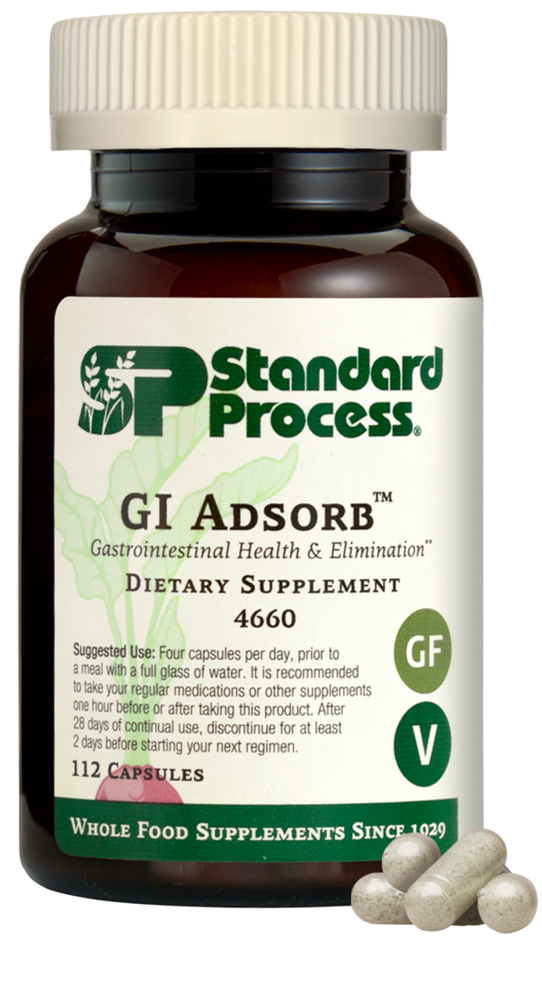
As a chiropractor and nutritional specialist who works extensively with gut-driven systemic conditions, I'm always evaluating products that address the root cause of inflammation rather than simply masking symptoms. GI Adsorb™ caught my attention because it takes a multi-mechanistic approach to gastrointestinal detoxification — one that aligns with what the functional medicine literature has been pointing toward for years. The concept of adsorption, distinct from absorption, refers to the binding of toxins, pathogens, and irritants directly to a substance's surface area so they can be safely escorted out of the body.
What sets GI Adsorb™ apart from basic activated charcoal products is its layered formula that pairs high-surface-area binders with mucosal-supportive compounds. This means it's not just pulling toxins out — it's simultaneously working to calm the inflammatory environment those toxins created. In clinical practice, I find this dual-action approach particularly valuable for patients recovering from antibiotic use, dealing with SIBO, or navigating food sensitivity reactions.
I want to be transparent: this is not a product designed for long-term daily use without clinical oversight. It's best applied strategically — during acute GI episodes, as part of a structured detox protocol, or alongside antimicrobial therapy. Used appropriately, GI Adsorb™ represents a sophisticated and well-formulated tool in the integrative gut health toolkit.
Key Benefits of GI Adsorb™
- Broad-Spectrum Toxin Binding: The high-surface-area binders in GI Adsorb™ — particularly activated charcoal and zeolite clay — adsorb a wide range of gut-derived toxins including lipopolysaccharides (LPS), mycotoxins, and bile acid metabolites. This reduces the toxic burden on the intestinal epithelium and limits translocation into systemic circulation.
- Gastrointestinal Mucosal Support: Ingredients like deglycyrrhizinated licorice (DGL) and aloe vera extract work to soothe and reinforce the mucosal lining of the gut, which is frequently compromised during episodes of dysbiosis or food-triggered inflammation. A healthier mucosa means better barrier function and less systemic immune reactivity.
- Reduction of Microbial Endotoxin Load: Activated charcoal has been shown to bind bacterial endotoxins such as LPS, reducing the signal load that drives systemic low-grade inflammation. This is particularly relevant for patients with leaky gut, where endotoxins routinely breach the intestinal barrier and trigger liver and immune stress.
- Acute GI Symptom Relief: The adsorptive capacity of this formula makes it highly effective for acute presentations including traveler's diarrhea, food poisoning, and bloating from fermentation byproducts. Patients commonly report significant relief within hours of use, which is consistent with the rapid binding kinetics of charcoal-based formulas.
- Support for Detoxification Protocols: When used alongside antimicrobial or antifungal protocols — such as herbal SIBO treatment — GI Adsorb™ can help manage Herxheimer-like die-off reactions by binding the released endotoxins and cellular debris from dying pathogens. This significantly improves patient tolerance of intensive gut protocols.
Ingredients
GI Adsorb™ is built on a focused whole food ingredient base:
- Activated Charcoal: A highly porous carbon matrix with an extraordinarily large surface area — up to 1,500 m²/g — that adsorbs toxins, gases, and microbial byproducts through van der Waals forces, preventing their absorption in the gut and facilitating fecal elimination.
- Zeolite Clay (Clinoptilolite): A naturally occurring aluminosilicate mineral with a lattice structure that selectively traps heavy metals, ammonia, and mycotoxins through ion-exchange mechanisms; clinical research supports its use in reducing gut permeability markers and systemic toxic load.
- Deglycyrrhizinated Licorice (DGL): A processed form of licorice root with the blood-pressure-raising glycyrrhizin removed, DGL stimulates mucin production and prostaglandin synthesis in the gastric and intestinal lining, accelerating mucosal repair and reducing irritation-driven inflammation.
- Aloe Vera Inner Leaf Extract: Rich in acemannan polysaccharides, aloe vera inner leaf extract exhibits anti-inflammatory, demulcent, and mild immunomodulatory effects on the gut epithelium, helping to calm reactive tissue and support the regeneration of a healthy mucosal layer.
Get GI Adsorb™ Today
Don't overpay on Amazon! Buy GI Adsorb™ directly from Dr. Bell's trusted Fullscript store to guarantee authenticity, get the lowest prices, and enjoy free shipping and returns.
Potential Side Effects & Precautions
GI Adsorb™ is generally well tolerated, but consider the following:
- The most commonly reported side effect with GI Adsorb™ is temporary constipation or darkened stools, which is a predictable and benign consequence of activated charcoal use. Increasing water intake — at least 8–10 glasses daily during use — typically resolves this issue and is strongly recommended.
- Because binders like activated charcoal are non-selective in their binding activity, there is a meaningful risk of reduced absorption of orally administered medications and supplements if taken too close together. I consistently advise patients to take GI Adsorb™ at least 90 minutes to 2 hours away from any prescription medications, particularly thyroid medications, oral contraceptives, or anticoagulants.
- Some individuals with sensitive GI tracts may experience mild nausea or a feeling of gastric heaviness when first introducing this product, particularly at higher doses. Starting with a lower dose and titrating up over several days generally allows the digestive system to adapt without discomfort.
- Long-term or unsupervised use is not recommended because sustained binder use can theoretically deplete fat-soluble vitamins (A, D, E, K) and essential minerals over time. This formula is best used in defined therapeutic windows — acute episodes, structured detox cycles of 2–4 weeks — rather than indefinitely without practitioner guidance.
The Science Behind It
Peer-reviewed research on key ingredients and mechanisms relevant to GI Adsorb™:
Activated charcoal for acute poisoning: a systematic review of clinical studies
This systematic review evaluated the clinical evidence for activated charcoal's adsorptive capacity across multiple toxin exposures, confirming its efficacy as a gut-based binding agent that reduces systemic absorption of ingested toxins. The findings are directly relevant to GI Adsorb™'s mechanism of action in reducing luminal toxic burden.
Clinoptilolite zeolite reduces intestinal permeability and systemic endotoxemia in rats
This study demonstrated that clinoptilolite zeolite supplementation significantly reduced markers of intestinal permeability and circulating endotoxin levels in animal models, supporting its inclusion as a gut-protective binder. These findings are consistent with its proposed role in reducing LPS translocation in leaky gut conditions.
Deglycyrrhizinated licorice in the treatment of chronic duodenal ulcer: a comparative study
This clinical trial found DGL to be effective in promoting healing of the gastrointestinal mucosal lining through stimulation of protective mucin secretion, without the adverse effects associated with whole licorice. This mechanism directly supports DGL's role in GI Adsorb™ as a mucosal repair and barrier-support agent.
Aloe vera and gastrointestinal disorders: a review of clinical evidence
This review examined the evidence for aloe vera inner leaf extract's anti-inflammatory and mucosal-protective effects in gastrointestinal conditions including IBS and IBD, finding meaningful reductions in intestinal inflammation markers with use. The data support its inclusion in gut-soothing formulas like GI Adsorb™ targeting reactive or compromised mucosal tissue.
Dr. Bell's Verdict
GI Adsorb™ is one of the more thoughtfully formulated adsorptive gut support products I've evaluated. The combination of activated charcoal and zeolite provides complementary binding mechanisms — one surface-area-driven, one ion-exchange-driven — while the DGL and aloe components address the mucosal damage that often underlies toxic GI states. In my clinical experience, this kind of layered approach produces meaningfully better outcomes than single-ingredient binder products.
My primary recommendation is to use this product strategically and with appropriate clinical context. It shines brightest during acute GI disturbances, post-antibiotic gut reset protocols, and die-off management during SIBO or Candida treatment. For patients with chronic gut issues who are under practitioner care, periodic strategic use of GI Adsorb™ can be a valuable adjunct — just ensure strict timing separation from medications and monitor for nutritional adequacy over extended protocols.
Frequently Asked Questions
Can I take GI Adsorb™ every day long-term?
I don't recommend unsupervised long-term daily use. Because adsorptive binders are non-selective, extended use can reduce absorption of fat-soluble vitamins and key minerals. For ongoing gut support, I suggest using it in defined 2–4 week cycles or acutely as needed, and working with a practitioner to monitor nutritional status if longer-term use is warranted.
How far apart should I take GI Adsorb™ from my medications?
A minimum of 90 minutes to 2 hours separation is essential, and I personally advise 2 hours as the safer standard. Activated charcoal can bind drug molecules in the gut and significantly reduce their bioavailability, which can have serious clinical consequences with medications like levothyroxine, warfarin, or oral contraceptives.
Is GI Adsorb™ appropriate during a SIBO or Candida treatment protocol?
Yes, and in fact this is one of the settings where I find it most valuable. When antimicrobial herbs or pharmaceuticals kill off large numbers of pathogens, the released endotoxins and cellular debris can cause significant die-off symptoms. Using GI Adsorb™ strategically between antimicrobial doses can bind and clear these byproducts, reducing the severity of Herxheimer-like reactions.
Will GI Adsorb™ help with food poisoning or traveler's diarrhea?
It can be quite effective for both scenarios. Activated charcoal has well-documented rapid binding activity against bacterial toxins and is commonly used in emergency toxicology settings. For food poisoning or traveler's diarrhea, taking GI Adsorb™ at the onset of symptoms — alongside adequate hydration — can help bind the causative toxins and shorten the duration and severity of the episode.
Where to Buy GI Adsorb™
Don't overpay on Amazon! Buy GI Adsorb™ directly from Dr. Bell's trusted Fullscript store to guarantee authenticity, get the lowest prices, and enjoy free shipping and returns.