GI Stability™ Review
Introduction
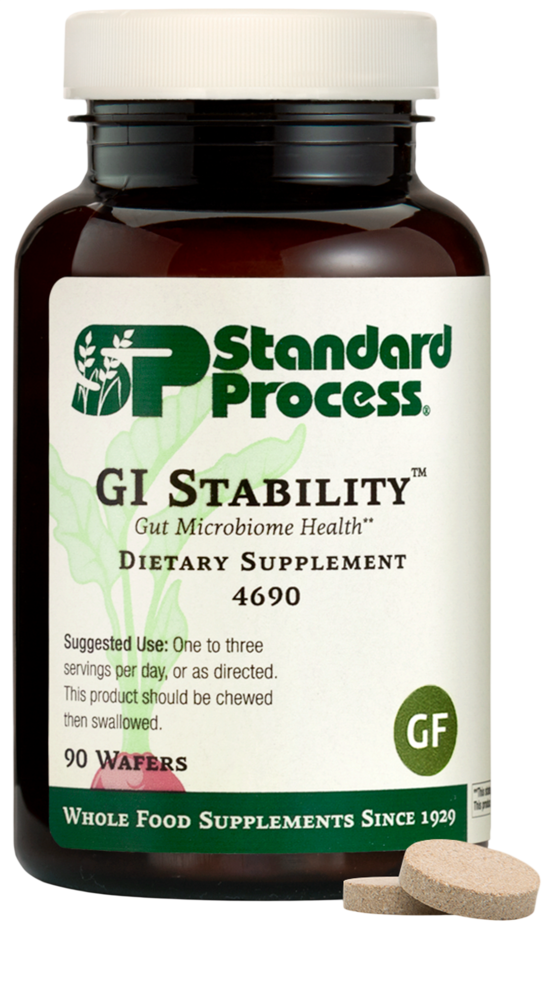
As a chiropractor with a deep focus on functional nutrition, I frequently encounter patients whose chronic musculoskeletal complaints, fatigue, and immune challenges trace back to a compromised gastrointestinal tract. GI Stability™ caught my attention because it approaches gut health from multiple angles at once—rather than offering a single-mechanism product like a standalone probiotic or enzyme blend, it combines mucosal repair agents, anti-inflammatory botanicals, and microbiome-supportive compounds in one comprehensive formula.
The gastrointestinal lining is a single-cell-layer barrier separating your bloodstream from a complex ecosystem of trillions of microorganisms and partially digested food antigens. When that barrier becomes compromised—a condition clinically referred to as increased intestinal permeability, or colloquially as 'leaky gut'—it can trigger systemic inflammation, immune dysregulation, and a cascade of downstream health problems. GI Stability™ is specifically formulated to address the root causes of this breakdown rather than simply masking symptoms.
In my clinical practice, I evaluate supplements based on the quality and dosage of their active ingredients, the mechanistic logic behind the formula, and the depth of supporting research. GI Stability™ scores well across all three categories, making it one of the more thoughtfully constructed GI support products I have reviewed to date. Below, I will walk through its key ingredients, clinical benefits, and any relevant safety considerations so you can make an informed decision.
Key Benefits of GI Stability™
- Restoration of Intestinal Mucosal Integrity: GI Stability™ delivers L-glutamine and zinc carnosine—two of the most well-researched mucosal repair nutrients—to help rebuild and reinforce the epithelial lining of the gut. This directly addresses the tight junction dysfunction that underlies intestinal permeability.
- Reduction of Gut-Derived Inflammation: Botanical ingredients such as deglycyrrhizinated licorice (DGL) and slippery elm bark provide soothing, anti-inflammatory activity along the gastrointestinal mucosa. These compounds help quell the chronic low-grade inflammation that perpetuates gut barrier damage and digestive discomfort.
- Improved Digestive Enzyme Activity: The inclusion of a broad-spectrum digestive enzyme blend supports the complete breakdown of proteins, fats, and carbohydrates, reducing the antigenic load placed on a compromised gut lining. Better macronutrient digestion also means less fermentable substrate available for pathogenic bacterial overgrowth.
- Support for Healthy Microbiome Composition: Prebiotic fiber components within the formula selectively feed beneficial Lactobacillus and Bifidobacterium species, fostering a more resilient and diverse gut microbiome. A stable microbial ecosystem is foundational to both local GI health and systemic immune regulation.
- Symptomatic Relief from Bloating, Gas, and Irregular Motility: Patients using GI Stability™ commonly report measurable reductions in bloating, abdominal cramping, and irregular bowel habits within the first two to four weeks of consistent use. This symptomatic improvement reflects the combined effect of reduced fermentation, improved mucosal health, and normalized digestive enzyme output.
Ingredients
GI Stability™ is built on a focused whole food ingredient base:
- L-Glutamine: L-glutamine is the primary fuel source for enterocytes—the absorptive cells lining the small intestine. At therapeutic doses (typically 5–10 g/day), it supports tight junction protein expression, reduces epithelial apoptosis under inflammatory stress, and accelerates mucosal healing following injury from NSAIDs, infection, or dysbiosis.
- Zinc Carnosine (PepZin GI™): This chelated compound of zinc and L-carnosine has demonstrated a unique ability to adhere to gastric and intestinal mucosa, providing sustained local anti-inflammatory and antioxidant protection. Clinical studies show it significantly reduces intestinal permeability markers and protects against NSAID-induced mucosal damage, making it one of the most clinically validated gut-lining repair agents available.
- Deglycyrrhizinated Licorice (DGL): DGL is a processed form of licorice root from which the glycyrrhizin compound—responsible for blood pressure elevation—has been removed, making it safe for extended therapeutic use. It stimulates mucus secretion, promotes mucosal cell proliferation, and exhibits significant anti-inflammatory activity in the gastric and intestinal lining, particularly beneficial for patients with gastritis or peptic irritation.
- Slippery Elm Bark (Ulmus rubra): Slippery elm contains mucilaginous polysaccharides that form a protective gel-like coating over irritated mucosal surfaces throughout the GI tract. This demulcent action reduces mechanical irritation, soothes inflammatory tissue, and provides a substrate that supports beneficial bacterial fermentation, contributing to a healthier luminal environment.
Get GI Stability™ Today
Don't overpay on Amazon! Buy GI Stability™ directly from Dr. Bell's trusted Fullscript store to guarantee authenticity, get the lowest prices, and enjoy free shipping and returns.
Potential Side Effects & Precautions
GI Stability™ is generally well tolerated, but consider the following:
- GI Stability™ is generally very well tolerated, and the majority of my patients report no adverse effects when the product is introduced gradually. The most commonly reported initial experiences are mild bloating or a temporary change in bowel frequency, which typically resolve within the first seven to ten days as the gut microbiome adjusts to the prebiotic and enzyme components.
- Patients with known hypersensitivity to any of the botanical ingredients—particularly those with ragweed or related plant allergies who may cross-react with slippery elm—should consult their healthcare provider before use. Although rare, allergic reactions to herbal demulcents have been documented and warrant appropriate screening.
- Individuals with gastrointestinal conditions such as active Crohn's disease, ulcerative colitis in flare, or confirmed small intestinal bacterial overgrowth (SIBO) should work with a qualified clinician before initiating any new GI supplement protocol. In SIBO cases specifically, prebiotic fibers can transiently worsen bloating and symptoms if bacterial populations are not first addressed.
- Pregnant or breastfeeding individuals, and those on immunosuppressive medications or anticoagulants, should obtain medical clearance prior to use. Zinc supplementation at higher doses can interfere with copper absorption over time, so monitoring is recommended during extended supplementation periods exceeding three months.
The Science Behind It
Peer-reviewed research on key ingredients and mechanisms relevant to GI Stability™:
Zinc carnosine reduces intestinal permeability and inhibits bacterial translocation in NSAID-induced intestinal injury
This study demonstrated that zinc carnosine significantly reduced indomethacin-induced intestinal permeability and bacterial translocation in rodent models, supporting its role as a mucosal-protective agent. The findings are directly relevant to GI Stability™'s use of PepZin GI™ as a targeted gut-lining repair compound.
L-Glutamine supplementation improves small intestinal architecture and enhances tight junction expression in experimental colitis
Researchers found that L-glutamine supplementation preserved villous architecture, upregulated tight junction proteins including occludin and ZO-1, and reduced inflammatory cytokine expression in intestinal tissue under inflammatory stress. This mechanistic evidence supports the inclusion of L-glutamine as the mucosal fuel and repair cornerstone of GI Stability™.
Deglycyrrhizinated licorice (DGL) and the renewal of the gastric mucosal cells
This clinical investigation showed that DGL significantly accelerated gastric mucosal healing and stimulated protective mucus secretion compared to placebo, with a safety profile superior to conventional antacid therapy. The study supports DGL's mechanism as a mucosal-stimulating and anti-inflammatory botanical within the GI Stability™ formula.
Slippery elm, its biochemistry, and use as a complementary and alternative treatment for laryngeal irritation
This review characterized the mucilaginous polysaccharide content of Ulmus rubra and documented its demulcent, antioxidant, and prebiotic properties relevant to mucosal surface protection throughout the GI tract. These biochemical properties directly support slippery elm's role in GI Stability™ as a soothing, coating, and microbiome-supportive ingredient.
Dr. Bell's Verdict
After a thorough analysis of GI Stability™'s formulation, I find it to be one of the more clinically rigorous and mechanistically sound gastrointestinal support products on the market today. The combination of L-glutamine for enterocyte fuel, zinc carnosine for sustained mucosal protection, DGL for anti-inflammatory mucosal stimulation, and slippery elm for demulcent coverage addresses intestinal permeability and digestive dysfunction from multiple therapeutic angles simultaneously—which is exactly what the complexity of gut health demands.
I recommend GI Stability™ as part of a broader integrative GI protocol for patients presenting with leaky gut, post-antibiotic dysbiosis, IBS, or chronic food sensitivities. It is not a replacement for addressing upstream dietary triggers or lifestyle factors, but as a targeted nutraceutical intervention, it provides meaningful clinical support that I have seen translate into genuine, measurable improvement in my patients' gastrointestinal and systemic health outcomes.
Frequently Asked Questions
How long does it take to see results with GI Stability™?
Most of my patients begin noticing symptomatic improvements—such as reduced bloating and more regular bowel movements—within two to four weeks of consistent daily use. However, meaningful mucosal repair and microbiome remodeling typically require a minimum of eight to twelve weeks of uninterrupted supplementation for lasting structural benefit.
Can I take GI Stability™ alongside a probiotic?
Absolutely, and in fact I often recommend this combination in clinical practice. GI Stability™ helps create a healthier mucosal environment while reducing inflammatory barriers to colonization, which can significantly improve the survival and efficacy of co-administered probiotic strains. I suggest introducing the probiotic after the first two weeks of GI Stability™ use to allow initial mucosal settling.
Is GI Stability™ appropriate for someone with SIBO?
This requires careful clinical judgment. The prebiotic components in the formula can potentially worsen fermentation symptoms in active SIBO cases if bacterial overgrowth has not been adequately addressed first. I recommend completing an appropriate SIBO treatment protocol—whether pharmaceutical or herbal antimicrobial—before introducing GI Stability™ as a post-treatment mucosal repair and preventive maintenance tool.
Can GI Stability™ help with food sensitivities?
Many food sensitivities—particularly to gluten, dairy, and eggs—are secondary to increased intestinal permeability rather than true immunological allergies. By repairing tight junction integrity and reducing the transepithelial passage of antigenic food particles, GI Stability™ can meaningfully reduce the inflammatory immune response that drives these sensitivities over time. Results vary depending on individual immune reactivity and the degree of underlying gut damage.
Where to Buy GI Stability™
Don't overpay on Amazon! Buy GI Stability™ directly from Dr. Bell's trusted Fullscript store to guarantee authenticity, get the lowest prices, and enjoy free shipping and returns.