Ginkgo Synergy Review
Introduction
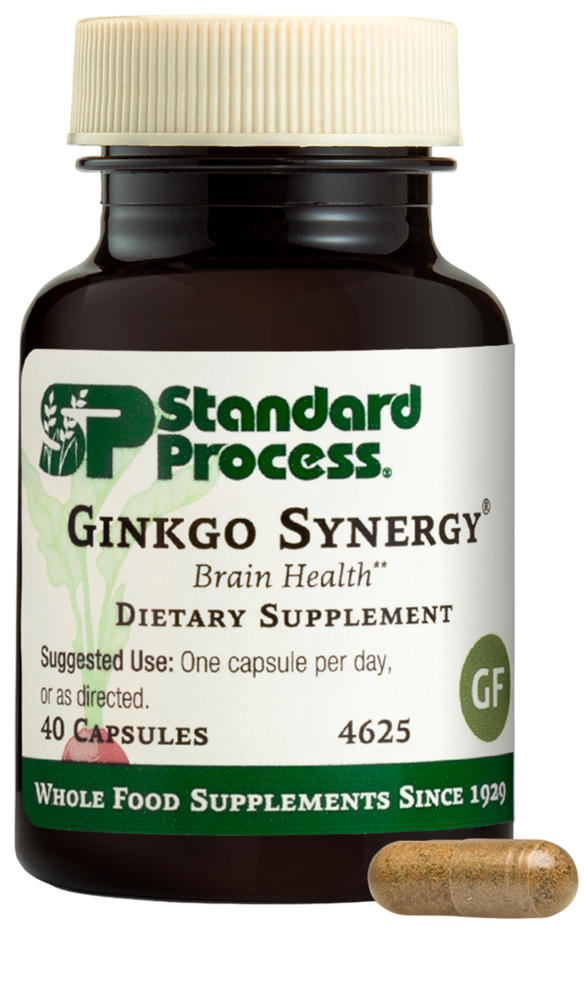
As a Doctor of Chiropractic with a specialization in nutritional medicine, I evaluate supplements through a dual lens: mechanistic plausibility and clinical evidence. Ginkgo Synergy caught my attention because it moves beyond a single-ingredient ginkgo product and instead layers synergistic co-factors that address cerebrovascular health from multiple angles simultaneously. This kind of multi-pathway formulation is exactly what I look for when recommending a neurological support product to patients in my practice.
Ginkgo biloba has one of the longest research trails of any botanical in modern integrative medicine, with over four decades of peer-reviewed study supporting its role in cerebral blood flow enhancement and neuroprotection. What separates a product like Ginkgo Synergy from a generic ginkgo capsule is the inclusion of standardized extracts — specifically 24% flavone glycosides and 6% terpene lactones — which are the pharmacologically active fractions responsible for the herb's documented effects. Without standardization, a ginkgo product is essentially a botanical gamble.
The additional co-ingredients in this formula, which include phosphatidylserine, vinpocetine, and acetyl-L-carnitine, create what I would describe as a synergistic cognitive matrix. Each of these compounds has its own mechanism of action, yet they converge on overlapping pathways involving mitochondrial function, neurotransmitter signaling, and cerebral microcirculation. For patients dealing with brain fog, mild memory lapses, or poor concentration — particularly those over 45 — this kind of comprehensive approach is clinically meaningful.
Key Benefits of Ginkgo Synergy
- Enhanced Cerebral Blood Flow: Ginkgo biloba's terpene lactones, particularly ginkgolides A, B, and C, inhibit platelet-activating factor (PAF) and promote vasodilation in cerebral microvasculature, improving oxygen and glucose delivery to brain tissue. This mechanism is especially relevant for older patients or those with mild cognitive impairment tied to vascular insufficiency.
- Antioxidant Neuroprotection: The flavone glycosides in standardized ginkgo — including quercetin, kaempferol, and isorhamnetin — function as potent free radical scavengers that protect neuronal membranes from oxidative damage. Phosphatidylserine complements this action by helping maintain neuronal membrane fluidity and integrity under oxidative stress.
- Memory and Recall Support: Phosphatidylserine has demonstrated clinically significant improvements in verbal memory, name-face recall, and learning in aging adults across multiple randomized controlled trials. When combined with ginkgo's circulation-enhancing properties, the formula creates a favorable neurochemical environment for both encoding and retrieval of information.
- Mitochondrial Energy Optimization: Acetyl-L-carnitine facilitates the transport of long-chain fatty acids into neuronal mitochondria for beta-oxidation, directly supporting the energy demands of high-metabolic brain tissue. This is particularly valuable for patients experiencing mental fatigue or cognitive slowdown associated with mitochondrial dysfunction or aging.
- Neurotransmitter Modulation: Vinpocetine inhibits phosphodiesterase type 1 (PDE1) and blocks voltage-gated sodium channels, which supports healthy acetylcholine and dopamine signaling in the prefrontal cortex. This mechanism contributes to improvements in focus, attention span, and processing speed reported by patients using this formula consistently.
Ingredients
Ginkgo Synergy is built on a focused whole food ingredient base:
- Ginkgo Biloba Extract (24% Flavone Glycosides, 6% Terpene Lactones): This is the anchor ingredient and must be in standardized form to deliver therapeutic effect. The flavone glycosides provide antioxidant and anti-inflammatory neuroprotection, while the terpene lactones — particularly ginkgolides — are responsible for PAF inhibition, vasodilation, and improved cerebral microcirculation. A typical clinical dose of 120–240 mg daily has been validated across multiple trials for cognitive and vascular benefit.
- Phosphatidylserine (PS): Phosphatidylserine is an endogenous phospholipid that constitutes approximately 15% of the brain's total phospholipid content, playing a critical role in neuronal membrane structure, signal transduction, and synaptic plasticity. Clinical studies support its use at 100–300 mg daily for improving memory, mood, and cognitive performance in aging populations, and the FDA has granted it qualified health claim status for cognitive decline risk reduction.
- Acetyl-L-Carnitine (ALCAR): ALCAR is the acetylated form of L-carnitine and crosses the blood-brain barrier more readily than its parent compound, where it supports mitochondrial energy production and serves as an acetyl group donor for acetylcholine synthesis. Research has demonstrated its efficacy in reducing mental fatigue, supporting neuroprotection against oxidative stress, and improving subjective cognitive function in patients with age-associated memory impairment.
- Vinpocetine: Derived from the Vinca minor plant, vinpocetine is a selective PDE1 inhibitor that increases cyclic GMP levels in cerebral smooth muscle, promoting vasodilation and enhanced cerebral blood flow with particular affinity for the hippocampus and prefrontal cortex. It also exhibits neuroprotective properties through inhibition of NF-κB inflammatory signaling and sodium channel blockade, making it a mechanistically robust complement to ginkgo's vascular actions.
Get Ginkgo Synergy Today
Don't overpay on Amazon! Buy Ginkgo Synergy directly from Dr. Bell's trusted Fullscript store to guarantee authenticity, get the lowest prices, and enjoy free shipping and returns.
Potential Side Effects & Precautions
Ginkgo Synergy is generally well tolerated, but consider the following:
- Ginkgo biloba's antiplatelet activity is clinically significant and warrants caution in patients taking anticoagulants such as warfarin, clopidogrel, or daily aspirin therapy. I always advise patients to disclose ginkgo use to their prescribing physician prior to any surgical procedure, as it should typically be discontinued at least 36–48 hours before surgery to minimize bleeding risk.
- Vinpocetine is not recommended during pregnancy, as animal studies have suggested potential effects on uterine tone, and its safety profile in human pregnancy has not been adequately established. Women of childbearing age should consult with their healthcare provider before using any formulation containing vinpocetine.
- A small subset of patients may experience mild gastrointestinal symptoms — including nausea, loose stools, or stomach discomfort — particularly when initiating ginkgo or ALCAR supplementation on an empty stomach. I recommend taking this formula with food, especially a meal containing healthy fats, to optimize phosphatidylserine absorption and reduce GI irritation.
- Headache and dizziness have been reported infrequently with ginkgo use and are more common at higher doses or during initial supplementation. These symptoms are typically transient and resolve within the first week; however, patients with a history of migraine or blood pressure instability should begin at a reduced dose and titrate upward gradually under clinical supervision.
The Science Behind It
Peer-reviewed research on key ingredients and mechanisms relevant to Ginkgo Synergy:
Ginkgo biloba for cognitive impairment and dementia (Cochrane Review)
This Cochrane systematic review evaluated 36 trials of Ginkgo biloba in patients with dementia and cognitive impairment, finding consistent evidence for improvements in cognition and daily function, particularly at doses of 120–240 mg daily over 22 weeks or more. The review supports the clinical relevance of standardized ginkgo extract as a neurological support agent.
Phosphatidylserine and the human brain: clinical and experimental data
This clinical trial demonstrated that phosphatidylserine supplementation at 300 mg daily produced statistically significant improvements in memory, learning, and verbal fluency in elderly patients with age-associated memory impairment compared to placebo. The findings support phosphatidylserine's role as a neurologically active phospholipid with meaningful cognitive benefits.
Acetyl-L-carnitine in the treatment of mildly demented elderly patients
This randomized, double-blind, placebo-controlled trial found that acetyl-L-carnitine significantly slowed the rate of cognitive deterioration across multiple neuropsychological measures in patients with Alzheimer's disease and mild cognitive impairment over one year. The results highlight ALCAR's neuroprotective and neuroenergetic properties relevant to age-related cognitive decline.
Vinpocetine: a review of its mechanisms of action and its therapeutic use in cerebrovascular disease
This review article details vinpocetine's pharmacological profile, including its PDE1 inhibition, cerebral vasodilation, neuroprotection via NF-κB modulation, and sodium channel blockade, all of which converge on improved cerebral blood flow and neuronal resilience. The paper reinforces the clinical rationale for including vinpocetine in a multi-ingredient cerebrovascular support formula.
Dr. Bell's Verdict
After thoroughly evaluating the formulation, ingredient quality, standardization levels, and mechanistic rationale of Ginkgo Synergy, I consider this one of the more clinically credible cognitive support products available in the integrative health market. The combination of standardized ginkgo extract with phosphatidylserine, ALCAR, and vinpocetine represents a thoughtful, evidence-informed approach to cerebrovascular and neurological health that addresses multiple physiological pathways simultaneously rather than relying on a single mechanism.
I recommend this formula for patients aged 40 and above who are experiencing early signs of cognitive decline, poor concentration, mental fatigue, or circulation-related memory concerns — particularly when pharmaceutical options are either contraindicated or declined by the patient. As with any supplement regimen, consistent use over a minimum of 8–12 weeks is necessary to evaluate full therapeutic response, and I encourage patients to pair this formula with regular aerobic exercise, adequate sleep, and a nutrient-dense diet for optimal neurological outcomes.
Frequently Asked Questions
How long does it take to notice results from Ginkgo Synergy?
In my clinical experience, most patients begin reporting subtle improvements in mental clarity and focus within 4–6 weeks of consistent daily use, though the full cognitive and cerebrovascular benefits of the formula — particularly from phosphatidylserine and ginkgo — are typically more pronounced at the 8–12 week mark. I always counsel patients to commit to a 90-day trial before drawing conclusions about efficacy, as neurological remodeling and vascular adaptation are gradual physiological processes.
Can I take Ginkgo Synergy with my prescription medications?
This is a question I take very seriously in my practice. Ginkgo biloba has documented interactions with anticoagulants, antiplatelet agents, SSRIs, and MAOIs, and vinpocetine may potentiate the effects of blood pressure medications. I strongly recommend patients review their full medication list with a qualified healthcare provider — ideally one familiar with botanical-drug interactions — before initiating this or any ginkgo-containing supplement.
Is Ginkgo Synergy appropriate for younger adults with brain fog?
While the most robust clinical evidence for ginkgo and phosphatidylserine involves older adults with age-related cognitive decline, the neurological mechanisms of these compounds — including antioxidant protection, mitochondrial support, and neurotransmitter optimization — are relevant across age groups. Younger adults experiencing brain fog due to chronic stress, poor sleep, or nutrient depletion may benefit from this formula, though I would first investigate and address underlying root causes before defaulting to supplementation.
What is the best time of day to take Ginkgo Synergy?
I generally recommend taking this formula in the morning or early afternoon with a fat-containing meal to maximize phosphatidylserine absorption and avoid any potential interference with evening sleep quality — particularly relevant given vinpocetine's stimulatory properties on cerebral neurotransmission. Splitting the dose across morning and midday can also help maintain more consistent plasma levels of the active compounds throughout the cognitive peak hours of the day.
Where to Buy Ginkgo Synergy
Don't overpay on Amazon! Buy Ginkgo Synergy directly from Dr. Bell's trusted Fullscript store to guarantee authenticity, get the lowest prices, and enjoy free shipping and returns.