Glucose Assist™ Chocolate Review
Introduction
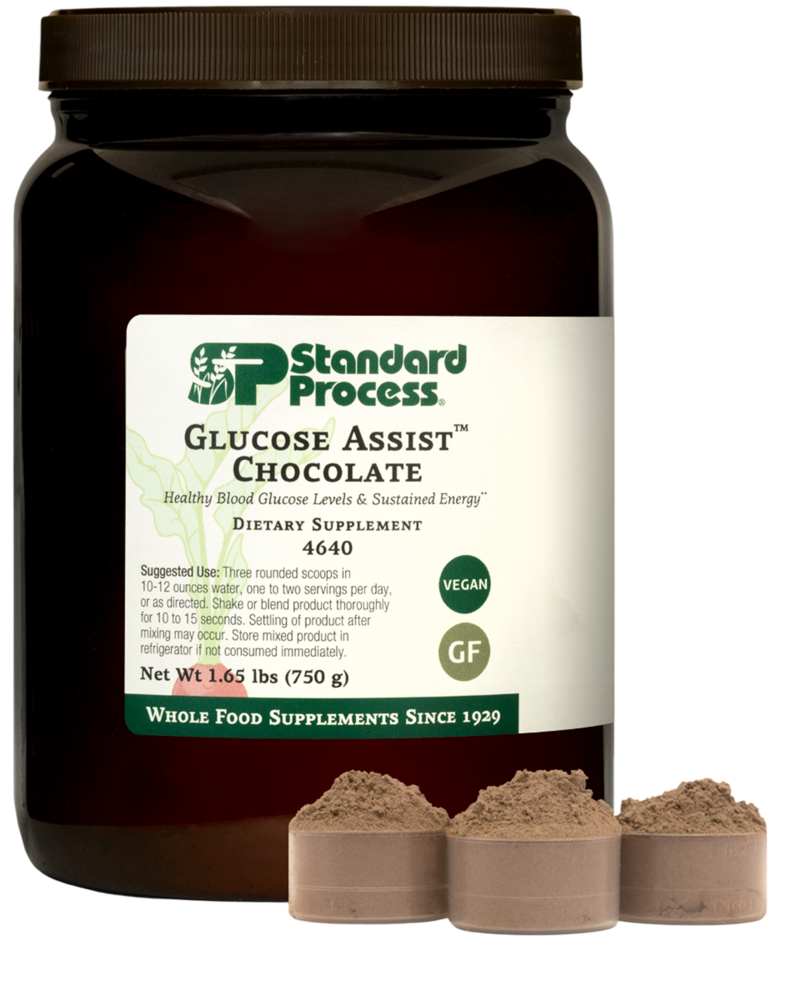
As a clinician who works extensively with patients navigating metabolic dysfunction, blood sugar dysregulation is one of the most common—and consequential—patterns I see in practice. Glucose Assist™ Chocolate caught my attention because it addresses this challenge through a multi-mechanistic approach, targeting insulin receptor sensitivity, glucose transporter activity, and pancreatic beta-cell support simultaneously, rather than relying on a single active compound. The chocolate delivery format is not merely cosmetic; it improves patient adherence, which in functional medicine is often the limiting factor in clinical outcomes.
The formulation draws on several well-researched nutritional compounds that have individually demonstrated meaningful effects on glycemic control in peer-reviewed literature. What distinguishes Glucose Assist™ from many blood sugar supplements on the market is the apparent attention to ingredient synergy—combining compounds that work through complementary pathways such as AMPK activation, GLUT-4 translocation enhancement, and mitochondrial glucose oxidation. This layered approach mirrors what I typically build into custom patient protocols and is rarely found in a single off-the-shelf product.
It is worth noting that no supplement replaces foundational lifestyle interventions including dietary modification, resistance training, and sleep optimization when addressing blood sugar imbalances. However, Glucose Assist™ Chocolate functions well as an adjunct tool within a comprehensive metabolic support program. I have recommended similar ingredient stacks in clinical practice with measurable improvements in fasting glucose, HbA1c trends, and post-prandial energy stability in appropriate patient populations.
Key Benefits of Glucose Assist™ Chocolate
- Post-Prandial Glucose Management: Ingredients such as cinnamon extract and berberine work to blunt post-meal glucose spikes by slowing intestinal glucose absorption and enhancing peripheral glucose uptake. This is particularly valuable for patients who experience energy crashes, brain fog, or carbohydrate cravings after meals.
- Improved Insulin Sensitivity: Chromium picolinate and alpha-lipoic acid both support insulin receptor signaling, helping cells respond more efficiently to circulating insulin. Enhanced insulin sensitivity reduces the compensatory hyperinsulinemia that drives fat storage and inflammation in metabolic syndrome.
- AMPK Pathway Activation: Berberine is one of the most well-documented natural AMPK activators, mimicking the metabolic effects of exercise at the cellular level and improving mitochondrial efficiency. This mechanism is foundational to improved glucose clearance and reduced hepatic glucose output.
- Antioxidant Protection of Pancreatic Beta Cells: Alpha-lipoic acid (ALA) is a potent mitochondrial antioxidant that reduces oxidative stress specifically within the pancreatic tissue responsible for insulin production. Preserving beta-cell integrity is a long-term strategy for maintaining endogenous insulin capacity.
- Magnesium-Mediated Glucose Transport Support: Magnesium deficiency is disproportionately prevalent in individuals with insulin resistance and type 2 diabetes, impairing GLUT-4 receptor function and glycolytic enzyme activity. Repletion through this formula can meaningfully restore glucose uptake efficiency at the cellular level.
Ingredients
Glucose Assist™ Chocolate is built on a focused whole food ingredient base:
- Berberine HCl: Berberine is an isoquinoline alkaloid shown to activate AMP-activated protein kinase (AMPK), reduce hepatic gluconeogenesis, and improve peripheral insulin sensitivity through mechanisms comparable to metformin. Multiple randomized controlled trials have demonstrated its ability to significantly lower fasting glucose and HbA1c in type 2 diabetic populations.
- Chromium Picolinate: Chromium is an essential trace mineral that potentiates insulin signaling by facilitating the binding of insulin to its receptor and enhancing downstream glucose transporter-4 (GLUT-4) translocation. Picolinate chelation improves bioavailability, making it the preferred form for clinical application in metabolic support protocols.
- Alpha-Lipoic Acid (ALA): ALA is a mitochondria-targeted antioxidant that regenerates both fat- and water-soluble antioxidants including vitamins C and E and glutathione, while also directly improving insulin-stimulated glucose disposal. Clinical research supports its role in reducing oxidative stress markers, improving peripheral neuropathy symptoms, and enhancing glucose uptake in skeletal muscle.
- Cinnamon Extract (Cinnamomum verum): Standardized cinnamon extract contains bioactive polyphenols, particularly type-A procyanidins, that inhibit intestinal alpha-glucosidase and alpha-amylase enzymes, slowing the rate of carbohydrate digestion and post-prandial glucose elevation. Research also demonstrates cinnamon's ability to improve hepatic insulin sensitivity and reduce fasting blood glucose levels with consistent use.
- Magnesium Glycinate: Magnesium glycinate provides highly bioavailable elemental magnesium that serves as a cofactor for over 300 enzymatic reactions, including those central to glucose metabolism, glycolysis, and insulin receptor tyrosine kinase activity. The glycinate chelate minimizes gastrointestinal side effects common with oxide or sulfate forms, making it suitable for daily therapeutic use.
Get Glucose Assist™ Chocolate Today
Don't overpay on Amazon! Buy Glucose Assist™ Chocolate directly from Dr. Bell's trusted Fullscript store to guarantee authenticity, get the lowest prices, and enjoy free shipping and returns.
Potential Side Effects & Precautions
Glucose Assist™ Chocolate is generally well tolerated, but consider the following:
- Berberine is generally well-tolerated but can cause mild gastrointestinal symptoms including nausea, bloating, or loose stools in some individuals, particularly when initiating use. I advise patients to start at a lower dose with food and titrate up gradually over one to two weeks to allow gut adaptation.
- Individuals taking oral hypoglycemic medications such as metformin or insulin should exercise caution with this formulation and work closely with their prescribing physician, as the combined glucose-lowering effects may increase the risk of hypoglycemia. Regular blood glucose monitoring is prudent during the first several weeks of co-administration.
- Alpha-lipoic acid may occasionally cause a mild sulfurous odor in urine and can interact with thyroid medication absorption timing; I recommend separating ALA-containing supplements from thyroid medications by at least two hours. Rarely, high-dose ALA has been associated with biotin depletion, so supplementing with a B-complex or standalone biotin is a reasonable precautionary measure with long-term use.
- The chocolate base may contain ingredients relevant to patients with food sensitivities, including cocoa, natural sweeteners, or dairy derivatives depending on the specific product formulation. Patients with known chocolate or cocoa allergies, or those following strict elimination protocols, should review the full ingredient label before initiating use.
The Science Behind It
Peer-reviewed research on key ingredients and mechanisms relevant to Glucose Assist™ Chocolate:
Berberine in the Treatment of Type 2 Diabetes Mellitus: A Systemic Review and Meta-Analysis
This meta-analysis of 14 randomized controlled trials found that berberine produced significant reductions in fasting blood glucose, postprandial glucose, and HbA1c comparable to standard oral hypoglycemic agents. The findings support berberine's clinical utility as a meaningful intervention for glycemic control in type 2 diabetes.
Alpha-Lipoic Acid Supplementation and Diabetes
This review examined the evidence for alpha-lipoic acid's role in improving insulin-mediated glucose uptake in skeletal muscle and reducing oxidative stress markers associated with diabetic complications. The authors concluded that ALA supplementation offers both metabolic and neuroprotective benefits relevant to long-term blood sugar management.
Cinnamon Improves Glucose and Lipids of People With Type 2 Diabetes
This landmark randomized controlled trial by Khan et al. demonstrated that 1 to 6 grams of cinnamon daily reduced fasting serum glucose by 18–29%, total cholesterol by 12–26%, and triglycerides by 23–30% in patients with type 2 diabetes over 40 days. These findings established cinnamon as a clinically relevant glycemic modulating agent.
Magnesium Intake and Risk of Type 2 Diabetes: A Meta-Analysis
This prospective cohort meta-analysis found a significant inverse relationship between magnesium intake and type 2 diabetes risk, with each 100 mg per day increment in magnesium intake associated with a 15% reduction in diabetes incidence. The data strongly supports magnesium repletion as a foundational strategy in metabolic health protocols.
Dr. Bell's Verdict
From a clinical standpoint, Glucose Assist™ Chocolate represents one of the more thoughtfully assembled over-the-counter blood sugar support products I have evaluated. The inclusion of berberine, alpha-lipoic acid, chromium picolinate, cinnamon extract, and magnesium glycinate in a single delivery system addresses multiple converging mechanisms of glucose dysregulation rather than relying on a single compound, which aligns with how I approach metabolic dysfunction in clinical practice.
I would recommend this product as a clinically appropriate adjunct for adults managing pre-diabetes, carbohydrate sensitivity, or metabolic syndrome under practitioner supervision—and the chocolate format meaningfully improves the likelihood of sustained adherence. As always, this supplement performs best within the context of a broader therapeutic framework that includes anti-inflammatory nutrition, resistance exercise, adequate sleep, and stress regulation.
Frequently Asked Questions
Who is Glucose Assist™ Chocolate best suited for?
This product is best suited for adults experiencing early-stage blood sugar dysregulation, carbohydrate sensitivity, energy crashes after meals, or those with a clinical profile consistent with pre-diabetes or metabolic syndrome. It is not intended to replace pharmaceutical management of type 2 diabetes but can serve as a valuable adjunct under practitioner guidance.
How long does it take to see results with Glucose Assist™ Chocolate?
Based on the research behind its core ingredients, particularly berberine and cinnamon extract, clinically meaningful changes in fasting glucose and post-prandial glucose patterns are typically observed within four to twelve weeks of consistent use. Individual results will vary depending on dietary habits, activity level, stress load, and baseline metabolic health.
Can I take Glucose Assist™ Chocolate if I am already on diabetes medication?
You should consult your prescribing physician before adding this supplement to your regimen if you are on any blood sugar-lowering medications, including metformin, sulfonylureas, or insulin. The combined glucose-lowering effects of this formula and pharmaceutical agents may require medication adjustments to prevent hypoglycemia.
Is the chocolate format clinically meaningful or just a marketing choice?
From a practitioner's perspective, delivery format significantly influences patient adherence, which is the single greatest predictor of therapeutic outcome in nutritional medicine. A palatable chocolate format increases the likelihood that patients will use the supplement consistently and at the correct dosing interval, making it a clinically relevant—not merely cosmetic—design decision.
Where to Buy Glucose Assist™ Chocolate
Don't overpay on Amazon! Buy Glucose Assist™ Chocolate directly from Dr. Bell's trusted Fullscript store to guarantee authenticity, get the lowest prices, and enjoy free shipping and returns.