Hepatrophin PMG Review
Introduction
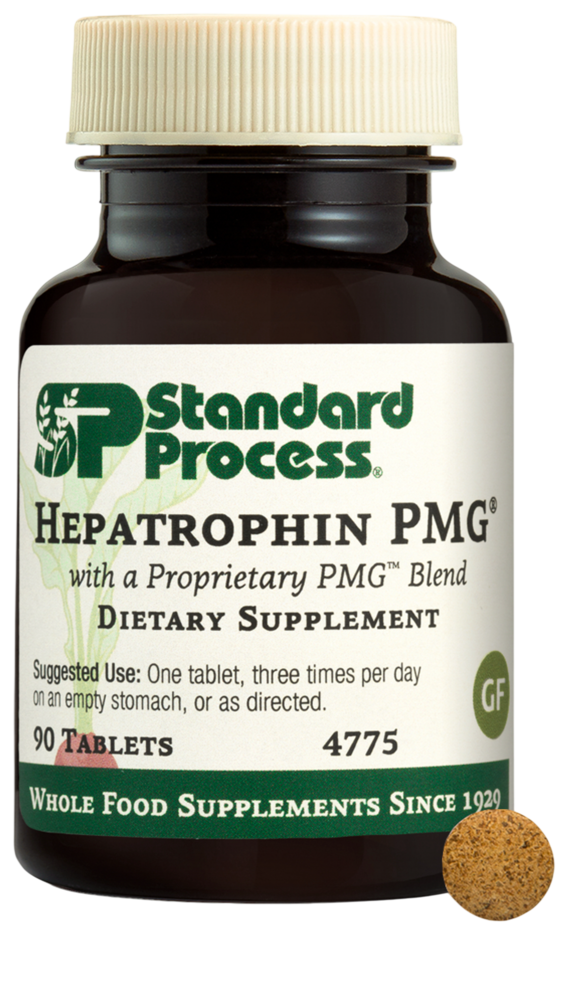
Hepatrophin PMG is manufactured by Standard Process, a company with over 90 years of whole-food supplement production, and it sits firmly within their Protomorphogen (PMG) product philosophy. The PMG concept is based on the work of Dr. Royal Lee, who proposed that organ-specific nucleoprotein extracts could provide a 'cellular blueprint' that the corresponding organ uses for repair and regeneration. While this mechanism remains outside conventional pharmacology, the clinical outcomes I have observed in practice with liver-targeted PMG products are difficult to dismiss.
The liver is arguably the most metabolically active organ in the body, responsible for over 500 distinct biochemical functions including phase I and phase II detoxification, lipid metabolism, glycogen storage, and bile production. When liver cell turnover is impaired — whether from toxin exposure, poor diet, alcohol, medications, or chronic inflammation — the entire body suffers downstream consequences ranging from hormonal imbalances to immune dysregulation. Hepatrophin PMG is designed to support this regenerative process by delivering concentrated liver-derived nucleoproteins alongside synergistic cofactors.
In clinical settings, I typically recommend Hepatrophin PMG as part of a broader liver support protocol, often alongside drainage support, dietary modification, and antioxidant therapy. Its whole-food matrix means the active compounds come packaged with naturally occurring enzymes, trace minerals, and fat-soluble vitamins that synthetic isolates simply cannot replicate. For patients presenting with fatigue, elevated liver enzymes, chemical sensitivities, or poor fat digestion, this product is frequently among my first considerations.
Key Benefits of Hepatrophin PMG
- Liver Cell Regeneration Support: The bovine liver PMG extract provides organ-specific nucleoprotein complexes that are believed to support hepatocyte repair and normal cellular turnover. This is particularly relevant following acute liver stress or in chronic low-grade hepatic inflammation scenarios.
- Phase I and Phase II Detoxification: A well-nourished liver runs efficient cytochrome P450 enzymatic pathways alongside glutathione conjugation and sulfation reactions that clear both endogenous and exogenous toxins. Hepatrophin PMG's whole-food liver concentrate supplies the raw nutritional cofactors these pathways require to function optimally.
- Bile Production and Fat Digestion: Adequate hepatic function is directly tied to bile synthesis and secretion, which is essential for the emulsification and absorption of dietary fats and fat-soluble vitamins A, D, E, and K. Patients with sluggish bile flow often report improved fat tolerance and reduced bloating after incorporating liver support protocols that include this product.
- Metabolic and Hormonal Balance: The liver is responsible for metabolizing and clearing excess steroid hormones, including estrogens, cortisol, and androgens, and compromised liver function directly contributes to hormonal imbalances. Supporting liver cell integrity with targeted nutrition can help restore this clearance capacity and improve endocrine balance.
- Antioxidant and Anti-Inflammatory Liver Protection: Liver tissue is under constant oxidative stress due to its central role in metabolizing reactive compounds, and nutritional support helps maintain the liver's intrinsic antioxidant defenses. The cofactors and trace minerals found in whole-food liver concentrates contribute to glutathione synthesis and SOD activity that protect hepatocytes from oxidative damage.
Ingredients
Hepatrophin PMG is built on a focused whole food ingredient base:
- Bovine Liver PMG Extract (Protomorphogen): This is the cornerstone ingredient — a proprietary nucleoprotein extract derived from bovine liver tissue, processed at low temperatures to preserve the integrity of its cellular signaling components. Standard Process's PMG theory holds that these organ-specific nucleoproteins act as templates that support the corresponding organ's normal repair and regenerative processes. Clinically, liver PMG products are used to support hepatocyte turnover and reduce autoimmune-like reactivity directed at liver tissue.
- Dried Liver (Bovine): Whole bovine liver concentrate provides a rich matrix of bioavailable heme iron, B vitamins — especially B12, folate, and riboflavin — along with naturally occurring CoQ10 and trace minerals like copper, zinc, and selenium. These nutrients are essential cofactors for mitochondrial function, methylation pathways, and antioxidant enzyme activity within the hepatocyte. Unlike isolated synthetic nutrients, the whole-liver concentrate delivers these compounds in their naturally occurring ratios and food-based forms.
- Calcium Lactate: Calcium lactate is included as a buffering agent and bioavailable calcium source, and in Standard Process formulations it also serves to maintain the stability of the PMG extract matrix during digestion. Calcium plays a role in cellular signaling pathways within hepatocytes and supports proper enzymatic function across multiple liver-related biochemical reactions. It is a highly absorbable form of calcium compared to carbonate-based sources.
- Magnesium Citrate: Magnesium is a cofactor for over 300 enzymatic reactions, many of which are directly relevant to hepatic detoxification and energy metabolism, including ATP synthesis and phase II conjugation reactions. Magnesium citrate in particular supports bile flow and has a mild cholagogue effect that assists in the movement of bile through the biliary tract. Deficiency in magnesium is associated with increased hepatic inflammation and impaired detoxification capacity.
Get Hepatrophin PMG Today
Don't overpay on Amazon! Buy Hepatrophin PMG directly from Dr. Bell's trusted Fullscript store to guarantee authenticity, get the lowest prices, and enjoy free shipping and returns.
Potential Side Effects & Precautions
Hepatrophin PMG is generally well tolerated, but consider the following:
- Hepatrophin PMG is generally very well tolerated when used as directed, and adverse effects in my clinical experience are uncommon. The most frequently reported transient reactions include mild digestive discomfort, loose stools, or nausea, particularly when starting the supplement on an empty stomach. I typically advise patients to take it with food to minimize any gastrointestinal adjustment period.
- Individuals with known sensitivities to bovine-derived products or glandular supplements should approach this product with appropriate caution and discuss it with their clinician before beginning. Those with severe liver disease, hepatic failure, or active liver infection should not self-manage with nutritional supplements and require direct medical supervision.
- Because Hepatrophin PMG is a concentrated liver product, individuals undergoing detoxification protocols may occasionally experience a temporary increase in symptoms — sometimes called a Herxheimer-type or detox reaction — as liver clearance capacity improves. This is generally mild and self-limiting, but I advise patients to stay well hydrated and begin with lower doses if they are sensitive.
- Patients on anticoagulant therapy such as warfarin should be aware that whole liver concentrates contain vitamin K, which can interact with blood-thinning medications. Additionally, those with iron overload conditions such as hemochromatosis should consult a physician before using concentrated liver products due to the naturally occurring heme iron content.
The Science Behind It
Peer-reviewed research on key ingredients and mechanisms relevant to Hepatrophin PMG:
Nutritional support in liver disease: current evidence and practice
This review examines the role of specific micronutrients — including B vitamins, zinc, and magnesium — in maintaining hepatic function and supporting recovery in liver disease. The findings reinforce the rationale for whole-food liver concentrates that deliver these cofactors in bioavailable, food-based forms as found in Hepatrophin PMG.
Magnesium and liver disease: a systematic review
This systematic review found consistent associations between magnesium deficiency and increased risk and severity of non-alcoholic fatty liver disease, hepatic inflammation, and impaired detoxification enzyme activity. The inclusion of magnesium citrate in Hepatrophin PMG directly addresses this clinically relevant nutritional gap.
Cobalamin (Vitamin B12) and folate status in patients with liver cirrhosis
This study demonstrated that hepatic disease significantly disrupts B12 and folate metabolism, impairing methylation and cellular regeneration capacity within liver tissue. Whole liver concentrate — a primary ingredient in Hepatrophin PMG — is one of the most bioavailable dietary sources of both B12 and folate, making it directly relevant to restoring these deficits.
Heme iron absorption and the role of the liver in iron homeostasis
This research clarifies how heme iron from animal-sourced foods is processed and stored by the liver, and how hepatic iron metabolism is tightly linked to overall cellular health and oxidative stress regulation. Understanding this pathway supports the clinical use of whole liver concentrates that provide naturally occurring heme iron as part of an integrated hepatic support strategy.
Dr. Bell's Verdict
Hepatrophin PMG represents one of the more sophisticated liver support tools available in the whole-food supplement category, and its clinical rationale is grounded in both the well-established nutritional density of whole liver concentrate and the PMG organ-support philosophy that Standard Process has refined over decades. For patients presenting with sluggish detoxification, elevated liver enzymes in the subclinical range, hormonal imbalances tied to hepatic clearance issues, or fatigue with poor fat digestion, this product fits precisely into a targeted functional nutrition protocol.
That said, Hepatrophin PMG is best used as part of a comprehensive clinical strategy that includes dietary intervention, toxin reduction, and appropriate drainage support — it is not a standalone cure for significant liver pathology. I rate it highly for what it is designed to do: provide the liver with highly bioavailable, organ-specific nutritional support that promotes cellular integrity and functional recovery. Clinicians and patients willing to work within a whole-food supplement paradigm will find this product to be a consistently reliable component of hepatic restoration protocols.
Frequently Asked Questions
What makes Hepatrophin PMG different from a regular liver supplement?
Most conventional liver supplements contain standardized herbal extracts like milk thistle silymarin or isolated antioxidants. Hepatrophin PMG is unique because it provides bovine liver Protomorphogen extract — organ-specific nucleoproteins that Standard Process believes support the liver's own cellular repair mechanisms — along with whole liver concentrate that delivers B vitamins, heme iron, and trace minerals in their naturally occurring food matrix. This is a fundamentally different approach focused on cellular nourishment rather than isolated antioxidant activity.
How long does it typically take to notice results with Hepatrophin PMG?
In my clinical experience, patients using Hepatrophin PMG as part of a structured liver support protocol often begin noticing improvements in energy, fat digestion, and overall well-being within four to eight weeks of consistent use. However, for more significant issues such as elevated liver enzymes or chemical sensitivities, a three- to six-month protocol is more realistic for meaningful and sustained improvement. Results vary based on the degree of liver stress, dietary compliance, and concurrent lifestyle factors.
Can I take Hepatrophin PMG alongside other Standard Process liver products like AF Betafood or Livaplex?
Yes, and in fact this is a common approach in functional nutrition protocols. Hepatrophin PMG focuses on cellular regeneration and liver tissue nourishment, while AF Betafood supports bile flow and fat emulsification, and Livaplex provides a broader spectrum of liver-supportive nutrients. These products are often layered together based on the patient's specific presentation, and the combination is generally well tolerated. I always recommend working with a trained clinician to determine the appropriate combination and dosing for your individual needs.
Is Hepatrophin PMG safe for long-term use?
When used at recommended doses and under appropriate clinical oversight, Hepatrophin PMG is considered safe for extended use and is often incorporated into ongoing maintenance protocols following an initial intensive phase. Because it contains whole liver concentrate with naturally occurring iron and fat-soluble vitamins, periodic reassessment is prudent, particularly for individuals with conditions like hemochromatosis or those on anticoagulant therapy. I typically reassess patients every three months to adjust protocols based on their current clinical picture.
Where to Buy Hepatrophin PMG
Don't overpay on Amazon! Buy Hepatrophin PMG directly from Dr. Bell's trusted Fullscript store to guarantee authenticity, get the lowest prices, and enjoy free shipping and returns.