Inositol Review
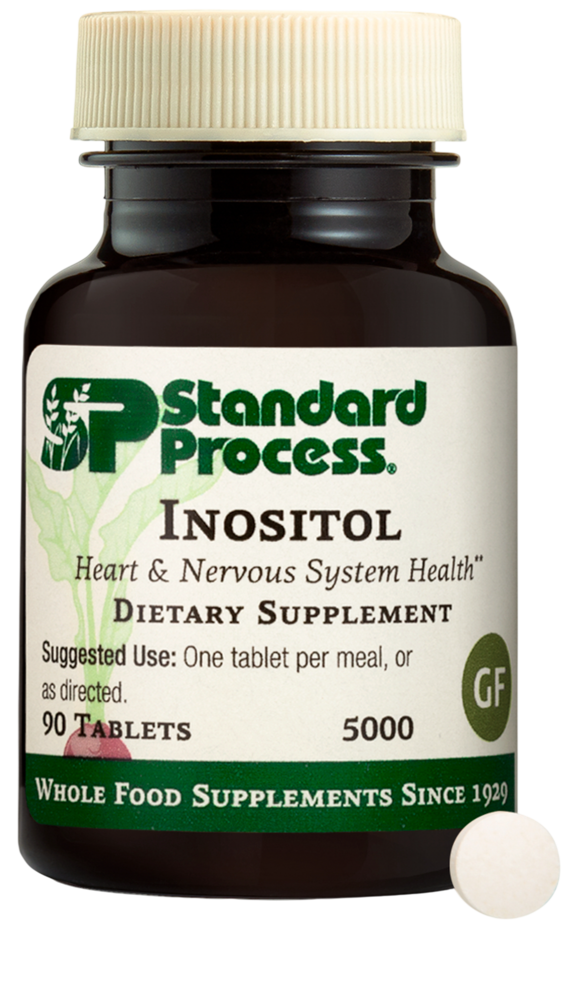
Introduction
Inositol is a carbocyclic sugar found naturally in foods like citrus fruits, whole grains, and legumes, and is also synthesized endogenously in the human body. It exists in nine stereoisomeric forms, but the two most clinically significant are myo-inositol and D-chiro-inositol, each playing distinct but complementary roles in cellular metabolism and signal transduction. As a practitioner who works extensively with metabolic and hormonal conditions, I find inositol to be one of the most evidence-backed and underutilized compounds in integrative medicine.
At the biochemical level, inositol serves as a structural precursor to phosphoinositides — a class of lipid molecules embedded in cell membranes that are central to the PI3K/Akt insulin signaling pathway. When this pathway is disrupted, as seen in insulin resistance and polycystic ovary syndrome, cellular glucose uptake becomes impaired and downstream hormonal signaling breaks down. Supplementing with myo-inositol and D-chiro-inositol helps restore this pathway, effectively acting as an insulin sensitizer at the cellular level without the side effects associated with pharmaceutical agents like metformin.
Beyond metabolic applications, inositol functions as a precursor to secondary messengers that regulate serotonin and dopamine receptor activity in the central nervous system. This neuromodulatory role has made inositol the subject of serious clinical research in panic disorder, OCD, bipolar depression, and generalized anxiety. In my clinical experience, patients with anxiety disorders or mood dysregulation who are also struggling with insulin resistance respond particularly well to inositol supplementation, which speaks to the compound's dual mechanism of action.
Key Benefits of Inositol
- Hormonal Balance & PCOS Support: Myo-inositol and D-chiro-inositol in a 40:1 ratio — mirroring the body's natural plasma ratio — has been shown to restore ovulatory function, reduce androgen levels, and improve menstrual regularity in women with PCOS. Multiple randomized controlled trials position this combination as a first-line nutritional intervention for PCOS-related infertility and hyperandrogenism.
- Insulin Sensitivity & Blood Sugar Regulation: Inositol acts as a second messenger in the insulin signaling cascade, improving glucose transporter (GLUT4) translocation to the cell membrane and enhancing peripheral insulin sensitivity. Clinical studies demonstrate meaningful reductions in fasting insulin, HOMA-IR scores, and fasting glucose in patients supplementing with myo-inositol.
- Anxiety & Panic Disorder Relief: Inositol modulates serotonin receptor sensitivity by replenishing phosphoinositide second messengers depleted during chronic stress and anxiety states. In head-to-head trials, high-dose inositol (12–18g/day) has demonstrated efficacy comparable to fluvoxamine for reducing panic attack frequency, with a significantly more favorable side effect profile.
- Mood & Cognitive Support: By supporting the phosphatidylinositol cycle in the brain, inositol helps regulate neurotransmitter receptor responsiveness involved in mood stabilization, including serotonin, dopamine, and acetylcholine pathways. Patients with treatment-resistant depression and bipolar disorder have shown measurable symptom improvement in controlled inositol trials.
- Metabolic Syndrome & Cardiovascular Risk Reduction: Beyond glucose regulation, myo-inositol supplementation has been associated with reductions in triglycerides, LDL cholesterol, and blood pressure in patients with metabolic syndrome. These cardiometabolic benefits likely stem from improved insulin signaling, which downstream reduces hepatic lipogenesis and vascular inflammation.
Ingredients
Inositol is built on a focused whole food ingredient base:
- Myo-Inositol: The most abundant naturally occurring isomer of inositol, myo-inositol is the primary substrate for phosphatidylinositol synthesis and serves as the dominant second messenger in insulin receptor signaling. It is the key active form for improving insulin sensitivity, supporting ovarian function in PCOS, and modulating serotonin receptor activity in the CNS. Typical therapeutic doses range from 2,000mg to 4,000mg daily.
- D-Chiro-Inositol (DCI): D-chiro-inositol is a downstream metabolite of myo-inositol, converted via an insulin-dependent epimerase enzyme. It plays a specialized role in glycogen synthesis and insulin-mediated androgen metabolism, making it particularly relevant in PCOS where DCI conversion is impaired. It is most effective when paired with myo-inositol in a physiological 40:1 (myo:DCI) ratio.
- Folic Acid (in combined formulas): Many clinical inositol formulations designed for reproductive health include folic acid (typically 400mcg), as the combination has shown synergistic benefits for oocyte quality, ovulation rates, and fetal neural tube development in women with PCOS undergoing fertility treatment. Folic acid also supports methylation pathways that interact with inositol's neurotransmitter regulatory functions.
- Phosphatidylinositol (as a bioavailable precursor): Some advanced inositol formulations include phosphatidylinositol, a phospholipid form that can be directly incorporated into cell membranes to support rapid replenishment of the phosphoinositide signaling pool. This form may offer enhanced bioavailability for neurological applications, particularly in patients with compromised intestinal absorption or accelerated inositol depletion due to high psychological stress.
Get Inositol Today
Don't overpay on Amazon! Buy Inositol directly from Dr. Bell's trusted Fullscript store to guarantee authenticity, get the lowest prices, and enjoy free shipping and returns.
Potential Side Effects & Precautions
Inositol is generally well tolerated, but consider the following:
- Inositol is generally considered very safe and well-tolerated across a wide range of doses. The most commonly reported side effects are mild gastrointestinal symptoms — including nausea, bloating, loose stools, and flatulence — particularly when doses exceed 4 grams per day. These effects are typically transient and can be minimized by starting at a lower dose and titrating upward gradually, or by dividing the daily dose into two or three smaller servings taken with meals.
- At very high doses used in psychiatric research (12–18g/day for panic disorder or OCD), GI side effects become more common but remain the primary concern, with no serious adverse events reported in clinical trials of up to six months duration. There is no evidence of hepatotoxicity, nephrotoxicity, or significant drug-nutrient interactions at standard supplemental doses. Inositol does not appear to cause dependency, withdrawal symptoms, or receptor downregulation.
- Women who are pregnant should consult their physician before using high-dose inositol, as emerging research suggests it may influence uterine contractility, and while some trials support its safety in gestational diabetes, definitive safety data in early pregnancy remains limited. That said, lower doses (2g/day) in combination with folic acid have been used extensively in fertility and early pregnancy protocols with favorable safety profiles in the published literature.
- Individuals with bipolar disorder should use inositol with caution and only under medical supervision, as some case reports have noted activation of hypomanic or manic episodes, possibly due to enhanced monoamine neurotransmitter signaling. Additionally, patients taking lithium should be aware that lithium's mechanism of action partially involves inositol depletion, meaning inositol supplementation could theoretically attenuate lithium's therapeutic effect — though this interaction has not been definitively confirmed in clinical trials.
The Science Behind It
Peer-reviewed research on key ingredients and mechanisms relevant to Inositol:
Myo-inositol and D-chiro-inositol at the physiological ratio of 40:1 reduce the risk of metabolic disease in PCOS women with BMI ≥ 25
This randomized controlled trial demonstrated that supplementation with myo-inositol and D-chiro-inositol in a 40:1 ratio significantly improved insulin sensitivity, reduced fasting insulin, and lowered androgen levels in overweight women with PCOS compared to metformin. The findings support the physiological ratio formulation as a safe and effective first-line nutritional intervention for PCOS-associated metabolic dysfunction.
Inositol versus metformin administration in polycystic ovary syndrome patients: a case-control study
This study compared myo-inositol supplementation to metformin in women with PCOS and found comparable improvements in menstrual cycle regularity, ovulation rates, and hormonal profiles, with inositol demonstrating a superior tolerability profile. These results position myo-inositol as a clinically meaningful alternative to pharmaceutical insulin sensitizers for PCOS management.
Double-blind, controlled, crossover trial of inositol versus fluvoxamine for the treatment of panic disorder
This crossover trial found that 18g/day of inositol reduced the frequency and severity of panic attacks to a degree comparable to fluvoxamine, an SSRI commonly used for panic disorder, while producing significantly fewer side effects. The study provides compelling evidence for inositol's role in modulating serotonergic signaling pathways relevant to anxiety and panic disorders.
Myo-inositol supplementation and onset of gestational diabetes mellitus in pregnant women with a family history of type 2 diabetes
This randomized trial showed that 4g/day of myo-inositol supplementation during pregnancy significantly reduced the incidence of gestational diabetes mellitus in high-risk women compared to placebo, without adverse maternal or fetal outcomes. The results highlight inositol's capacity to modulate insulin receptor sensitivity in hormonally dynamic physiological states.
Dr. Bell's Verdict
In my clinical assessment, inositol is one of the most evidence-supported nutraceuticals for a remarkably broad spectrum of conditions — from PCOS and insulin resistance to anxiety disorders and mood dysregulation. The safety profile is excellent, the mechanisms are well-characterized, and the growing body of randomized controlled trials gives me genuine confidence when recommending it to patients. I consistently use it as a core component of metabolic and hormonal health protocols, particularly in women with PCOS, patients with anxiety-driven sleep disruption, and individuals managing blood sugar dysregulation.
I recommend prioritizing formulations that use pharmaceutical-grade myo-inositol with transparent dosing, ideally in a 40:1 myo-inositol to D-chiro-inositol ratio for hormonal applications, or standalone myo-inositol at 2–4g/day for metabolic and neurological support. Look for products that are third-party tested, free from unnecessary fillers, and formulated with folic acid if reproductive health is the primary goal. Given its cost-effectiveness, safety record, and multi-system benefits, inositol earns a strong recommendation in my practice.
Frequently Asked Questions
What is the best form of inositol to take — myo-inositol or D-chiro-inositol?
For most people, myo-inositol is the foundational form and the one with the broadest research support for metabolic, hormonal, and neurological benefits. If you are specifically addressing PCOS or insulin-related androgen excess, a 40:1 combination of myo-inositol to D-chiro-inositol best mirrors your body's natural plasma ratio and has the strongest clinical evidence for restoring ovulatory function and reducing testosterone levels. Taking D-chiro-inositol alone in high doses is not recommended, as excess DCI can paradoxically impair oocyte quality.
How long does it take for inositol to work?
For hormonal and menstrual cycle benefits in PCOS, most clinical trials demonstrate measurable improvements in ovulation frequency, androgen levels, and insulin sensitivity within 3 to 6 months of consistent supplementation. For anxiety and panic disorder, some patients report noticeable improvements in as little as 4 weeks, though high-dose protocols (12–18g/day) used in psychiatric research were maintained for 4 to 6 weeks before outcomes were assessed. Metabolic markers like fasting insulin and triglycerides tend to show improvement within 8 to 12 weeks.
Can inositol help with anxiety and is it safe to take with antidepressants?
Yes — inositol has genuine clinical evidence for reducing panic attack frequency and anxiety severity through its role in resensitizing serotonin receptors and replenishing depleted phosphoinositide second messengers. Regarding co-administration with antidepressants: there is no definitive evidence of dangerous interactions with SSRIs or SNRIs at standard supplemental doses, and some practitioners use them together. However, since both inositol and serotonergic medications influence the same neurotransmitter pathways, I always recommend consulting with your prescribing physician before combining them, particularly if you are on mood-stabilizing medications like lithium.
What is the recommended daily dose of inositol for general health versus therapeutic use?
For general metabolic support, blood sugar balance, and mild mood support, a dose of 2,000mg (2g) of myo-inositol once or twice daily is a reasonable and well-tolerated starting point. For PCOS management, the most well-studied therapeutic dose is 4,000mg myo-inositol combined with 100mg D-chiro-inositol (40:1 ratio) daily, often split into two doses. For psychiatric applications such as panic disorder or OCD, doses used in research range from 12 to 18 grams per day — these higher doses should only be used under clinical supervision due to increased risk of GI side effects.
Where to Buy Inositol
Don't overpay on Amazon! Buy Inositol directly from Dr. Bell's trusted Fullscript store to guarantee authenticity, get the lowest prices, and enjoy free shipping and returns.