Inositol Powder Review
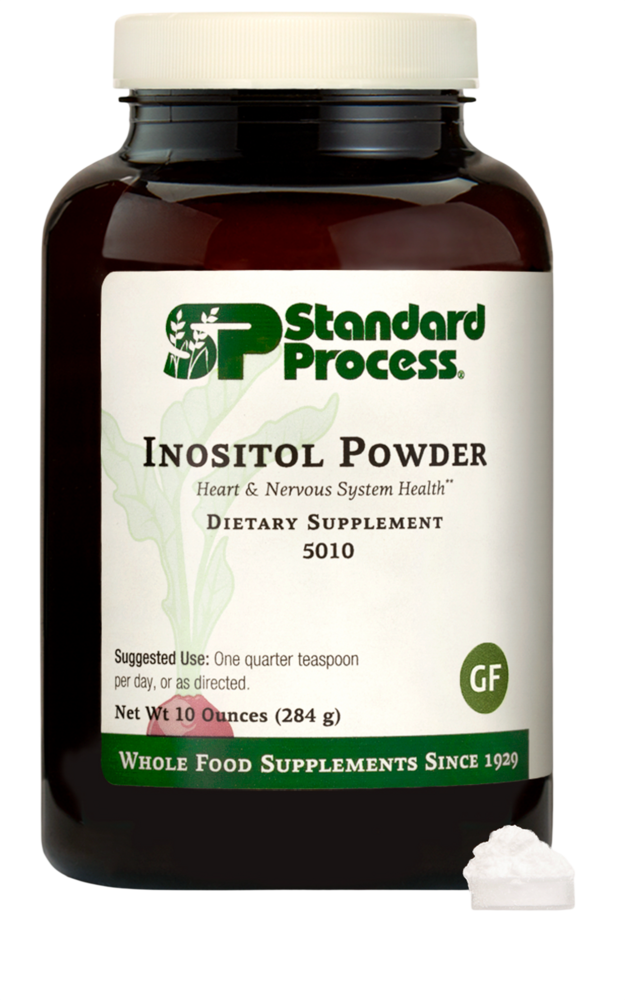
Introduction
Inositol is a carbocyclic sugar that functions as a critical second messenger in numerous cellular signaling pathways, most notably those involving insulin, serotonin, and follicle-stimulating hormone (FSH). Although it was once classified as a B-vitamin (B8), it is technically not a vitamin because the body can synthesize it endogenously from glucose. That said, endogenous production is often insufficient to meet the demands of individuals with metabolic dysregulation, PCOS, or mood disorders, making supplementation clinically relevant.
There are nine stereoisomers of inositol, but the two most therapeutically significant are myo-inositol (MI) and D-chiro-inositol (DCI). Myo-inositol is the most abundant form in human tissue and serves as a precursor to phosphatidylinositol, a key component of cell membranes and intracellular signaling cascades. D-chiro-inositol plays a more specialized role in glycogen synthesis and androgen metabolism, and the ratio of MI to DCI in specific tissues is tightly regulated and biologically meaningful.
In my clinical practice, I have recommended inositol powder to patients dealing with insulin resistance, anxiety, OCD-spectrum symptoms, and female hormonal imbalances with consistently positive outcomes. The powder form offers a distinct advantage over capsules because it allows for flexible, higher dosing that is often required for therapeutic effect — particularly in the 2–4 gram per day range commonly studied in PCOS research. It is also generally well-absorbed, tasteless, and easy to incorporate into water or smoothies.
Key Benefits of Inositol Powder
- Hormonal Balance & PCOS Support: Myo-inositol has been shown in multiple randomized controlled trials to improve menstrual regularity, reduce androgen levels, and restore ovulatory function in women with PCOS. The clinical consensus suggests a 40:1 ratio of myo-inositol to D-chiro-inositol most closely mimics physiological tissue ratios and delivers the best outcomes.
- Insulin Sensitivity & Metabolic Health: Inositol functions as an insulin sensitizer by acting as a secondary messenger in the insulin signaling cascade, facilitating glucose uptake into cells without directly stimulating insulin secretion. This mechanism makes it particularly valuable for individuals with metabolic syndrome, prediabetes, or insulin resistance who are looking for non-pharmacological support.
- Anxiety & Mood Regulation: Myo-inositol modulates serotonergic and noradrenergic neurotransmission by acting as a precursor to the phosphatidylinositol cycle, which is directly involved in receptor signal transduction for these mood-regulating neurotransmitters. Clinical trials have demonstrated significant reductions in panic disorder frequency and anxiety scores at doses of 12–18 grams per day.
- Oocyte Quality & Fertility: Research demonstrates that myo-inositol supplementation improves oocyte quality, embryo quality, and clinical pregnancy rates in women undergoing IVF, particularly those with poor ovarian response. It appears to do so by reducing oxidative stress within follicular fluid and improving mitochondrial function in developing eggs.
- Thyroid Function Support: Emerging research suggests that inositol, particularly in combination with selenium, may support thyroid health by improving TSH sensitivity and reducing thyroid peroxidase (TPO) antibody levels in patients with Hashimoto's thyroiditis. This positions inositol as a complementary tool in the integrative management of autoimmune thyroid conditions.
Ingredients
Inositol Powder is built on a focused whole food ingredient base:
- Myo-Inositol: The predominant naturally occurring isomer of inositol, myo-inositol serves as the primary substrate for phosphatidylinositol biosynthesis and plays a central role in insulin receptor signaling, FSH signaling, and serotonin receptor transduction. It is the most extensively studied form for PCOS, anxiety, and metabolic disorders.
- D-Chiro-Inositol (DCI): A secondary inositol isomer that is enzymatically converted from myo-inositol in insulin-sensitive tissues, DCI mediates the non-oxidative glycogen synthesis pathway and plays a critical role in reducing hyperandrogenism. Many premium inositol formulations include DCI at a physiological 40:1 ratio with myo-inositol for synergistic hormonal support.
- Phosphatidylinositol Precursors: When myo-inositol is incorporated into cell membranes as phosphatidylinositol, it becomes the backbone for a family of phosphoinositide lipid signaling molecules (PIP2, PIP3) that regulate cell growth, survival, and metabolic responses downstream of insulin and growth factor receptors. This structural role underlies much of inositol's broad systemic relevance.
- Inositol Hexaphosphate (IP6) — in whole food sources: While pure inositol powder typically contains myo-inositol as the active ingredient, it is worth noting that dietary inositol also occurs in the form of IP6 (phytic acid) in whole grains and legumes, which must be hydrolyzed before absorption. Supplemental myo-inositol bypasses this digestive step, ensuring superior and predictable bioavailability compared to food-sourced inositol.
Get Inositol Powder Today
Don't overpay on Amazon! Buy Inositol Powder directly from Dr. Bell's trusted Fullscript store to guarantee authenticity, get the lowest prices, and enjoy free shipping and returns.
Potential Side Effects & Precautions
Inositol Powder is generally well tolerated, but consider the following:
- Inositol powder is remarkably well-tolerated across a wide range of doses, and adverse effects are generally mild and dose-dependent. The most commonly reported side effects are gastrointestinal in nature — including nausea, bloating, flatulence, and loose stools — and these typically occur when starting at higher doses or increasing too rapidly. I recommend beginning with 1 gram per day and titrating up over two to four weeks to minimize GI discomfort.
- At very high doses (12 grams or more per day, as used in some psychiatric protocols), a small subset of individuals may experience transient headache or dizziness, likely related to the modulation of neurotransmitter signaling pathways. These effects are typically self-limiting and resolve with dose adjustment.
- Individuals with bipolar disorder should use inositol with caution, as some case reports and mechanistic data suggest that high-dose inositol may theoretically precipitate manic episodes through its influence on the phosphoinositide signaling pathway. This does not preclude its use in bipolar patients, but it warrants close clinical supervision and should be discussed with the prescribing psychiatrist.
- There is currently insufficient safety data to recommend high-dose inositol supplementation during pregnancy beyond the dosing used in preterm birth prevention studies. Women who are pregnant or actively trying to conceive should consult with their healthcare provider before initiating supplementation, particularly at doses above 4 grams per day, even though lower doses appear safe and are commonly used in fertility contexts.
The Science Behind It
Peer-reviewed research on key ingredients and mechanisms relevant to Inositol Powder:
Myo-inositol in patients with polycystic ovary syndrome: a novel method for ovulation induction
This randomized controlled trial demonstrated that myo-inositol supplementation significantly improved ovarian function and induced ovulation in women with PCOS, with notable reductions in serum androgen levels and improvements in insulin sensitivity. The findings helped establish myo-inositol as a credible first-line nutraceutical intervention for PCOS-related anovulation.
Inositol treatment of obsessive-compulsive disorder
This double-blind crossover trial by Fux et al. found that high-dose inositol (18 g/day) produced significant improvements in OCD symptom scores compared to placebo, supporting the role of the phosphatidylinositol cycle in serotonergic neurotransmission. The study is foundational for understanding inositol's neuropsychiatric applications.
Double-blind, controlled, crossover trial of inositol versus fluvoxamine for the treatment of panic disorder
This head-to-head crossover trial compared inositol (18 g/day) to the SSRI fluvoxamine in panic disorder patients and found comparable reductions in panic attack frequency with fewer side effects in the inositol group. This study is particularly impactful for clinicians seeking evidence-based non-pharmaceutical options for anxiety management.
The combined therapy with myo-inositol and D-chiro-inositol reduces the risk of metabolic disease in PCOS overweight patients compared to myo-inositol supplementation alone
This study evaluated the combined use of myo-inositol and D-chiro-inositol at a 40:1 ratio in overweight women with PCOS and found superior improvements in insulin resistance, lipid profiles, and androgen levels compared to myo-inositol alone. The results support the clinical rationale for using the physiological MI:DCI ratio in PCOS supplementation protocols.
Dr. Bell's Verdict
Inositol powder stands out in my clinical toolkit as one of the most evidence-backed, mechanistically coherent, and clinically versatile supplements I regularly recommend. Its ability to address insulin resistance, hormonal dysregulation, anxiety, and fertility through well-characterized molecular pathways — rather than vague antioxidant effects — gives it a level of credibility that I find compelling both as a practitioner and as a scientist. The powder delivery format is ideal for patients requiring therapeutic dosing, and its excellent tolerability profile makes it accessible to a broad patient population.
For women with PCOS, patients with metabolic syndrome, or individuals seeking non-pharmaceutical support for anxiety, inositol powder represents a first-line nutraceutical option that I feel confident recommending based on the current body of evidence. I do advise patients to look for products that specify pharmaceutical-grade myo-inositol, are third-party tested for purity, and ideally contain the 40:1 MI:DCI ratio if hormonal support is the primary goal. When used appropriately and at evidence-based doses, inositol powder is a high-value supplement that delivers meaningful, measurable clinical results.
Frequently Asked Questions
What is the best dose of inositol powder for PCOS?
The most extensively studied and clinically supported dose for PCOS is 4 grams of myo-inositol per day, typically split into two 2-gram doses taken morning and evening. Many formulations designed specifically for PCOS also include D-chiro-inositol at a 40:1 ratio (myo-inositol to DCI), which mirrors the physiological ratio found in human ovarian follicular fluid. It generally takes 3–6 months of consistent use to observe meaningful improvements in menstrual regularity and androgen levels.
Can inositol powder help with anxiety?
Yes — and this is one of the areas with some of the most compelling human trial data. Studies using doses of 12–18 grams per day have demonstrated significant reductions in panic attack frequency comparable to some pharmaceutical interventions, and lower doses (4–6 grams/day) have shown benefit for generalized anxiety. Inositol works by replenishing the phosphatidylinositol cycle, which is essential for proper serotonin and noradrenaline receptor signaling in the brain.
How long does it take for inositol to work?
The timeline varies depending on the health goal. For anxiety and mood-related benefits, some patients report noticeable improvements within 2–4 weeks at therapeutic doses. For hormonal and metabolic outcomes like cycle regularity, ovulation restoration, or measurable changes in fasting insulin, a minimum of 3 months is typically required, with the strongest evidence emerging from studies lasting 6 months or more. Consistency is essential — inositol is not a rapid-onset intervention.
Is inositol powder safe to take with medications?
Inositol is generally considered safe alongside most medications, but there are a few important considerations. Patients taking lithium should be aware that inositol may theoretically counteract some of lithium's mechanism of action, as lithium works partly by depleting inositol. Additionally, because inositol enhances insulin sensitivity, patients on diabetes medications or insulin should monitor blood glucose more closely, as combined use may increase the risk of hypoglycemia. Always disclose supplement use to your prescribing physician.
Where to Buy Inositol Powder
Don't overpay on Amazon! Buy Inositol Powder directly from Dr. Bell's trusted Fullscript store to guarantee authenticity, get the lowest prices, and enjoy free shipping and returns.