Lact-Enz Review
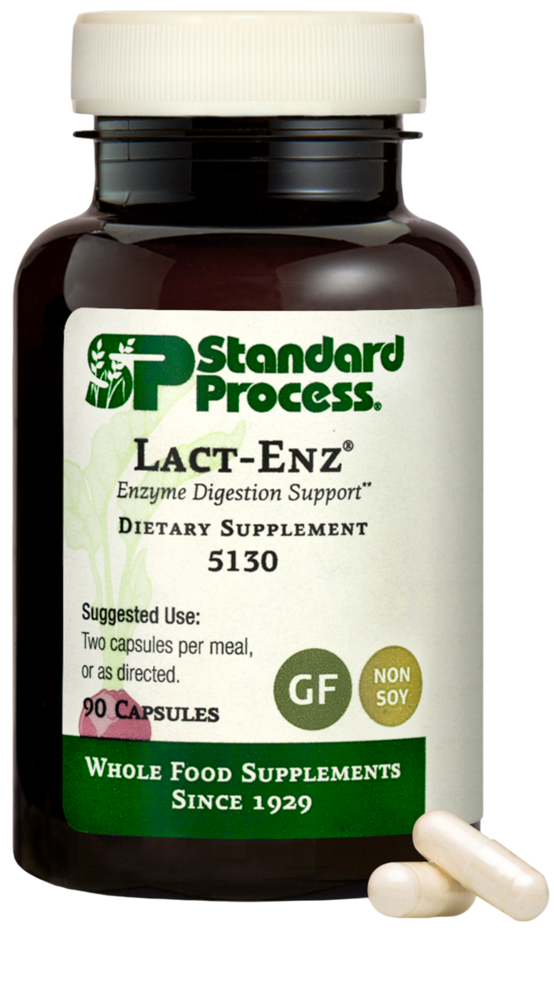
Introduction
As a chiropractor and nutritional specialist, I frequently encounter patients whose chronic musculoskeletal complaints, fatigue, and inflammatory conditions trace back to compromised digestive function. Lact-Enz caught my attention because it takes a two-pronged approach that I rarely see executed this cleanly in a single product: pairing a comprehensive digestive enzyme complex with clinically relevant Lactobacillus probiotic strains. This strategy recognizes that optimal digestion requires both the mechanical breakdown of food substrates and the ecological support of a healthy gut microbiome.
The enzyme component of Lact-Enz includes proteases, lipase, amylase, lactase, and cellulase, which collectively address the breakdown of proteins, fats, carbohydrates, lactose, and plant fiber. This is clinically significant because most single-enzyme products fail to account for the full spectrum of macronutrients a patient encounters in a modern diet. The addition of lactase is particularly valuable for the large percentage of adults who experience varying degrees of lactose malabsorption, which is often an underappreciated driver of bloating and intestinal discomfort.
The probiotic element introduces live Lactobacillus organisms that colonize the intestinal lumen, compete with pathogenic bacteria, and contribute to the production of short-chain fatty acids and local immune modulation. When I evaluate combination products like this, I look for therapeutic synergy rather than ingredient stacking for marketing purposes, and Lact-Enz demonstrates a legitimate rationale for co-delivery of enzymes and probiotics. Together, these components address both the upstream (enzymatic) and downstream (microbial) phases of healthy digestion.
Key Benefits of Lact-Enz
- Comprehensive Macronutrient Digestion: The multi-enzyme blend in Lact-Enz targets proteins, fats, starches, sugars, and fiber simultaneously, reducing the likelihood of undigested food particles reaching the large intestine where they trigger fermentation and gas. This is especially beneficial for patients with subclinical pancreatic insufficiency or age-related decline in enzyme output.
- Lactose Intolerance Relief: The inclusion of lactase enzyme directly addresses the enzymatic deficit responsible for lactose intolerance, hydrolyzing lactose into glucose and galactose before it can reach the colon and cause osmotic diarrhea or bloating. Patients who have avoided dairy for years often report significant symptomatic relief when supplementing with lactase-containing formulas.
- Restoration of Microbial Balance: Lactobacillus strains in Lact-Enz help re-establish a favorable Firmicutes environment in the gut, which is often disrupted by antibiotic use, processed food consumption, or chronic stress. A balanced microbiome is foundational not only to digestive health but also to immune regulation, neurotransmitter synthesis, and systemic inflammation control.
- Reduction of Bloating and Gas: By ensuring more complete digestion in the small intestine, Lact-Enz reduces the volume of fermentable substrates that reach colonic bacteria, directly decreasing gas production and abdominal distension. Patients with irritable bowel syndrome or functional bloating are among those who tend to experience the most noticeable symptomatic improvement.
- Enhanced Nutrient Absorption and Bioavailability: Efficient enzymatic hydrolysis increases the surface area of digested nutrients available for enterocyte uptake, improving absorption of amino acids, fatty acids, fat-soluble vitamins, and minerals. Over time, this can translate into measurable improvements in energy levels, tissue repair, and immune resilience in nutritionally depleted patients.
Ingredients
Lact-Enz is built on a focused whole food ingredient base:
- Protease Complex: A blend of endopeptidases and exopeptidases that cleave dietary proteins into absorbable amino acids and peptides; clinically important for reducing intact protein antigens that can drive intestinal permeability and food sensitivity reactions.
- Lipase: Catalyzes the hydrolysis of triglycerides into free fatty acids and monoglycerides for intestinal absorption; particularly beneficial for patients with gallbladder dysfunction, low bile output, or fat malabsorption presenting as steatorrhea or fat-soluble vitamin deficiencies.
- Amylase and Lactase: Amylase breaks down complex starches into disaccharides and monosaccharides, while lactase specifically cleaves the lactose disaccharide into glucose and galactose; together these enzymes address carbohydrate maldigestion, one of the most common drivers of fermentative gas and bloating in clinical practice.
- Lactobacillus Probiotic Blend: Live beneficial bacteria including strains such as Lactobacillus acidophilus and Lactobacillus rhamnosus that adhere to intestinal epithelium, produce lactic acid to lower luminal pH, inhibit pathogen colonization, modulate mucosal immune responses, and support tight junction integrity to reduce intestinal permeability.
Get Lact-Enz Today
Don't overpay on Amazon! Buy Lact-Enz directly from Dr. Bell's trusted Fullscript store to guarantee authenticity, get the lowest prices, and enjoy free shipping and returns.
Potential Side Effects & Precautions
Lact-Enz is generally well tolerated, but consider the following:
- In my clinical experience, Lact-Enz is well-tolerated by the vast majority of patients when introduced at the recommended dose. The most commonly reported initial side effects are mild and transient, including a temporary increase in gas or loose stools during the first three to five days, which reflects the microbiome adjusting to probiotic colonization rather than an adverse reaction.
- Patients with a known allergy to fungal-derived enzymes, which is the typical source of supplemental amylase and lipase, should exercise caution and consult with their clinician before initiating this product. Fungal enzyme sensitivities are uncommon but documented, and symptoms may include skin rash, nasal congestion, or gastrointestinal hypersensitivity.
- Individuals with severe inflammatory bowel disease, active Crohn's disease, or ulcerative colitis flares should consult a gastroenterologist before adding a probiotic-enzyme combination, as alterations in luminal ecology during active disease states may unpredictably influence mucosal immune responses. This is not a contraindication but a clinical precaution I apply in my practice.
- Immunocompromised patients, including those on chronic immunosuppressive therapy or undergoing chemotherapy, should seek medical guidance before using live probiotic products, as there are rare case reports of Lactobacillus bacteremia in severely immunocompromised individuals. For otherwise healthy adults, this risk is considered negligible based on current safety literature.
The Science Behind It
Peer-reviewed research on key ingredients and mechanisms relevant to Lact-Enz:
Enzyme supplementation and reduction of gastrointestinal symptoms in patients with lactose malabsorption
This study demonstrated that exogenous lactase supplementation significantly reduced hydrogen breath test values and subjective symptoms of bloating and cramping in lactose-malabsorbing subjects consuming dairy. The findings directly support the clinical rationale for including lactase in a digestive enzyme formula like Lact-Enz.
Lactobacillus acidophilus modulation of intestinal permeability and mucosal immune function
This randomized controlled trial found that Lactobacillus acidophilus supplementation significantly improved intestinal barrier function as measured by lactulose-to-mannitol ratios and reduced markers of intestinal inflammation. These results support the inclusion of Lactobacillus strains in protocols targeting leaky gut and microbiome restoration.
Efficacy of Lactobacillus rhamnosus GG in the prevention of antibiotic-associated diarrhea: a meta-analysis
A meta-analysis of randomized controlled trials found that Lactobacillus rhamnosus GG significantly reduced the incidence of antibiotic-associated diarrhea compared to placebo across multiple patient populations. This evidence supports the use of Lactobacillus-containing products like Lact-Enz for restoring microbial balance following antibiotic exposure.
Digestive enzyme supplementation in gastrointestinal diseases: a systematic review
This systematic review evaluated the therapeutic use of exogenous digestive enzymes including lipase, protease, and amylase across conditions including pancreatic insufficiency, irritable bowel syndrome, and functional dyspepsia, finding consistent evidence for symptom reduction and improved nutritional status. The review reinforces the clinical rationale for broad-spectrum enzyme formulas targeting diverse macronutrient maldigestion.
Dr. Bell's Verdict
Lact-Enz earns a strong recommendation from my clinical perspective because it addresses digestive insufficiency from two mechanistically distinct but complementary angles: enzymatic substrate breakdown and microbial ecosystem restoration. The formulation logic is sound, the ingredient selection is clinically relevant, and the combination is more therapeutically complete than the single-enzyme or single-probiotic products that dominate the market.
I would place this product in my first-line category for patients presenting with bloating, food intolerances, post-antibiotic dysbiosis, or general digestive sluggishness, and it serves as a practical adjunct for patients working to restore intestinal integrity as part of a broader gut-healing protocol. For optimal results, I recommend taking Lact-Enz with the first bite of each meal and maintaining consistent use for a minimum of four to six weeks before evaluating outcomes.
Frequently Asked Questions
When should I take Lact-Enz for best results?
I advise my patients to take Lact-Enz at the beginning of each meal so that the enzymes are present in the stomach and small intestine simultaneously with food substrates. Taking digestive enzymes after a meal significantly reduces their efficacy because the initial phases of protein and carbohydrate digestion will have already begun without enzymatic support.
Can I take Lact-Enz if I am already on a prescription probiotic?
In most cases, yes, but I recommend informing your prescribing clinician so they can assess for any potential overlap or interactions with specific therapeutic strains. The Lactobacillus strains in Lact-Enz are broadly safe and generally compatible with other probiotic preparations, though combining multiple high-dose probiotic products may cause transient digestive adjustment symptoms.
How long does it take to notice improvements in digestion?
Enzyme-related benefits such as reduced bloating and improved food tolerance are often noticed within the first one to two weeks, as the enzymatic effect is immediate and dose-dependent. Probiotic benefits, including more sustained changes in microbiome composition and immune tone, typically require four to eight weeks of consistent daily use to become clinically measurable.
Is Lact-Enz suitable for children or elderly patients?
Both populations can benefit from enzyme and probiotic support, but dosing should be adjusted based on body weight and clinical need, and a pediatrician or geriatric specialist should be consulted before initiating supplementation in children under 12 or frail elderly individuals with complex medication regimens. Elderly patients in particular often have significant age-related declines in digestive enzyme output and may experience pronounced benefit from this class of product.
Where to Buy Lact-Enz
Don't overpay on Amazon! Buy Lact-Enz directly from Dr. Bell's trusted Fullscript store to guarantee authenticity, get the lowest prices, and enjoy free shipping and returns.