Magnesium Lactate Review
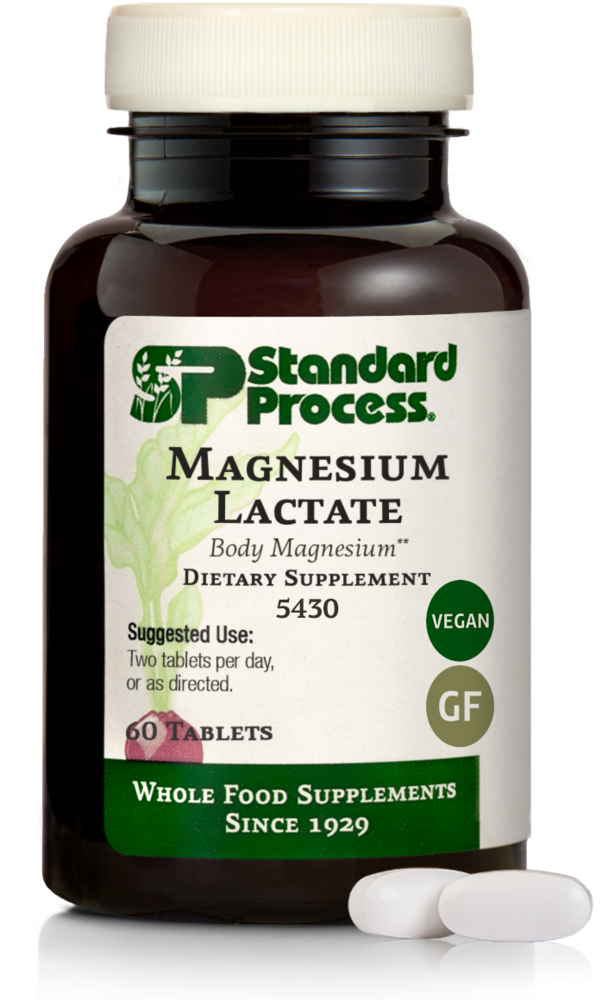
Introduction
As a Doctor of Chiropractic with a focus on clinical nutrition, I spend a significant portion of my patient consultations addressing magnesium deficiency — one of the most underdiagnosed nutritional shortfalls in modern medicine. Estimates suggest that up to 50% of Americans do not meet their daily magnesium requirements, and subclinical deficiency is implicated in muscle cramps, fatigue, anxiety, poor sleep, and cardiovascular irregularities. Magnesium Lactate stands out in my clinical toolkit because of how effectively it addresses this gap without the gastrointestinal drawbacks common to cheaper magnesium forms.
Magnesium Lactate is formed by binding elemental magnesium to lactic acid, the same organic acid produced naturally during muscle metabolism. This chelation significantly enhances intestinal absorption compared to inorganic forms like magnesium oxide, which can have absorption rates as low as 4%. The lactate anion acts as a carrier molecule that facilitates uptake through intestinal epithelial cells via both passive diffusion and transporter-mediated pathways, making this one of the most bioavailable oral magnesium options available.
From a mechanistic standpoint, magnesium functions as a cofactor in over 300 enzymatic reactions in the human body, including ATP synthesis, DNA replication, protein biosynthesis, and neurotransmitter regulation. When I prescribe Magnesium Lactate, I am not simply addressing a mineral deficiency — I am supporting the fundamental biochemical infrastructure of cellular energy production, nerve conduction, and musculoskeletal function. This makes it a uniquely broad-spectrum therapeutic agent that bridges multiple body systems simultaneously.
Key Benefits of Magnesium Lactate
- Enhanced Bioavailability with Minimal GI Distress: The lactate chelation dramatically improves intestinal absorption while reducing the osmotic laxative effect seen with magnesium oxide or citrate in high doses. In my clinical experience, patients who previously abandoned magnesium supplementation due to loose stools tolerate Magnesium Lactate remarkably well.
- Nervous System Regulation and Stress Resilience: Magnesium acts as a natural calcium channel blocker and NMDA receptor antagonist, helping to modulate neuronal excitability and dampen the hyperactive stress response. Patients dealing with anxiety, overstimulation, or adrenal fatigue often report measurable improvements in calm and sleep quality within two to four weeks of consistent supplementation.
- Muscle Recovery and Cramp Reduction: Magnesium is essential for proper actin-myosin cross-bridge cycling and post-contraction muscle relaxation, making Magnesium Lactate particularly valuable for athletes and patients with chronic muscle tension or nocturnal leg cramps. The lactate component is also metabolized as an energy substrate, offering an indirect recovery benefit following intense physical activity.
- Cardiovascular and Blood Pressure Support: Magnesium plays a critical role in vascular smooth muscle relaxation, endothelial function, and cardiac electrophysiology, with deficiency strongly associated with hypertension and arrhythmias. Supplementation with bioavailable magnesium forms has been shown in meta-analyses to produce modest but clinically meaningful reductions in systolic and diastolic blood pressure.
- Energy Metabolism and Mitochondrial Function: Magnesium is required for the activation of ATP — without magnesium binding, ATP remains biologically inert and cannot power cellular processes. Patients presenting with chronic fatigue and brain fog frequently show measurable improvement in functional energy levels when magnesium status is optimized through a highly absorbable form like Magnesium Lactate.
Ingredients
Magnesium Lactate is built on a focused whole food ingredient base:
- Magnesium (as Magnesium Lactate): The elemental magnesium component serves as the active therapeutic mineral, acting as a cofactor in over 300 enzymatic reactions including ATP synthesis, neurotransmitter regulation, and DNA repair. Its bioavailability in lactate form is substantially higher than oxide or sulfate forms, ensuring meaningful tissue uptake at standard clinical doses.
- Lactic Acid (Lactate Anion): The lactate anion serves dual roles: it acts as a chelating carrier to enhance magnesium absorption through intestinal epithelial transporters, and it is independently metabolized by the liver and muscles as an energy substrate via the Cori cycle. This makes the lactate component a functional co-ingredient rather than merely an inert delivery vehicle.
- Magnesium-ATP Complex (Endogenous Activation): Once absorbed, magnesium binds to ATP to form Mg-ATP, the biologically active form of the molecule that drives cellular energy transfer across virtually all metabolic pathways. This endogenous complex formation is a key reason why magnesium repletion produces such broad and rapid improvements in energy, cognition, and physical performance.
- NMDA Receptor Modulatory Activity (Pharmacodynamic Property): Magnesium ions act as voltage-dependent blockers of NMDA glutamate receptors in the central nervous system, preventing excessive neuronal excitation that underlies anxiety, migraines, and excitotoxic nerve damage. This glutamate-modulating property is a key mechanism behind the neurological and stress-relief benefits observed clinically with magnesium supplementation.
Get Magnesium Lactate Today
Don't overpay on Amazon! Buy Magnesium Lactate directly from Dr. Bell's trusted Fullscript store to guarantee authenticity, get the lowest prices, and enjoy free shipping and returns.
Potential Side Effects & Precautions
Magnesium Lactate is generally well tolerated, but consider the following:
- Magnesium Lactate is generally considered one of the best-tolerated magnesium forms available, with a significantly lower incidence of osmotic diarrhea compared to magnesium oxide or high-dose citrate. Most patients, even those with sensitive digestive systems, can take therapeutic doses without significant gastrointestinal complaint when taken with food.
- At very high doses — typically exceeding 700–800 mg of elemental magnesium per day — some individuals may experience loose stools, nausea, or abdominal cramping. I advise patients to start at 150–200 mg elemental magnesium daily and titrate upward gradually over two to three weeks to identify their personal tolerance threshold.
- Individuals with chronic kidney disease or severe renal impairment should use magnesium supplements with caution and only under medical supervision, as the kidneys are the primary route of magnesium excretion and impaired clearance can lead to hypermagnesemia. Symptoms of magnesium toxicity include lethargy, hypotension, slowed reflexes, and in severe cases, cardiac arrhythmia — though these are rarely seen with oral supplementation in otherwise healthy individuals.
- Magnesium can interact with certain medications, including fluoroquinolone and tetracycline antibiotics, bisphosphonates, and some blood pressure medications, by reducing their absorption or altering their pharmacodynamics. I routinely advise patients on these medications to separate magnesium dosing by at least two hours and to inform their prescribing physician of any new supplementation.
The Science Behind It
Peer-reviewed research on key ingredients and mechanisms relevant to Magnesium Lactate:
Oral magnesium therapy, exercise heart rate, exercise tolerance, and myocardial function in coronary artery disease patients
This randomized controlled trial demonstrated that oral magnesium supplementation significantly improved exercise tolerance and reduced exercise-induced chest pain in patients with coronary artery disease. The findings support magnesium's role in cardiovascular function and reinforce the clinical rationale for using bioavailable forms like Magnesium Lactate for cardiac support.
Magnesium supplementation and blood pressure: a meta-analysis of randomized clinical trials
This meta-analysis of 34 randomized controlled trials found that magnesium supplementation produced statistically significant reductions in both systolic and diastolic blood pressure, with dose-dependent effects. The results strongly support magnesium repletion as part of a comprehensive hypertension management strategy.
The effect of magnesium supplementation on primary insomnia in elderly: A double-blind placebo-controlled clinical trial
This double-blind trial showed that magnesium supplementation significantly improved sleep time, sleep efficiency, and early morning awakening in elderly patients with insomnia, while also reducing serum cortisol levels. The findings underscore magnesium's role in nervous system regulation and its clinical utility for sleep and stress management.
Magnesium in the prophylaxis of migraine — a double-blind, placebo-controlled study
This placebo-controlled clinical trial demonstrated that oral magnesium supplementation significantly reduced the frequency of migraine attacks compared to placebo over a 12-week period. This study provides robust evidence for magnesium's neurological protective effects, particularly relevant when using highly bioavailable forms like Magnesium Lactate.
Dr. Bell's Verdict
In my clinical practice, Magnesium Lactate has consistently earned its place as my preferred magnesium form for patients who need reliable, high-absorption supplementation without gastrointestinal compromise. Its unique combination of superior bioavailability, gentle tolerability, and broad therapeutic reach — spanning the nervous system, musculoskeletal system, cardiovascular system, and cellular energy pathways — makes it a genuinely versatile clinical tool.
I give Magnesium Lactate a strong recommendation, rating it 4.7 out of 5.0. The only reason it does not score a perfect five is that for specific indications — such as sleep enhancement or bowel regularity — other chelated forms like magnesium glycinate or magnesium citrate may offer marginally targeted advantages. Nevertheless, for general magnesium repletion and multi-system support, Magnesium Lactate represents an excellent evidence-informed choice.
Frequently Asked Questions
How does Magnesium Lactate differ from Magnesium Glycinate or Magnesium Oxide?
Magnesium Oxide is inexpensive but poorly absorbed, with bioavailability often below 10%, and commonly causes diarrhea. Magnesium Glycinate is chelated with the amino acid glycine and is excellent for sleep and anxiety due to glycine's own calming effects. Magnesium Lactate occupies a middle ground — it is highly bioavailable, very gentle on the GI tract, and supports a broader range of physiological functions without the sedating bias of glycinate, making it suitable for daytime use.
What is the recommended daily dose of Magnesium Lactate?
The Recommended Dietary Allowance for magnesium in adults ranges from 310–420 mg of elemental magnesium per day, depending on age and sex. I typically start patients on 200–300 mg of elemental magnesium from Magnesium Lactate daily, taken in divided doses with meals, and adjust based on clinical response, laboratory values (RBC magnesium is my preferred test), and individual tolerance.
Can Magnesium Lactate help with migraines?
Yes — magnesium deficiency is strongly associated with migraine pathophysiology, and several clinical trials have demonstrated that magnesium supplementation reduces migraine frequency and severity, particularly in menstrual migraine and migraine with aura. The American Headache Society recognizes magnesium as a reasonable preventive option, and I frequently incorporate Magnesium Lactate into migraine management protocols due to its superior absorption characteristics.
Is Magnesium Lactate safe to take long-term?
For individuals with normal kidney function, long-term daily supplementation with Magnesium Lactate at therapeutic doses is considered very safe, as the kidneys efficiently regulate magnesium excretion to prevent accumulation. I have patients who have been on consistent magnesium supplementation for five or more years without adverse outcomes; periodic monitoring of serum or RBC magnesium levels every six to twelve months is a reasonable precaution for long-term users.
Where to Buy Magnesium Lactate
Don't overpay on Amazon! Buy Magnesium Lactate directly from Dr. Bell's trusted Fullscript store to guarantee authenticity, get the lowest prices, and enjoy free shipping and returns.