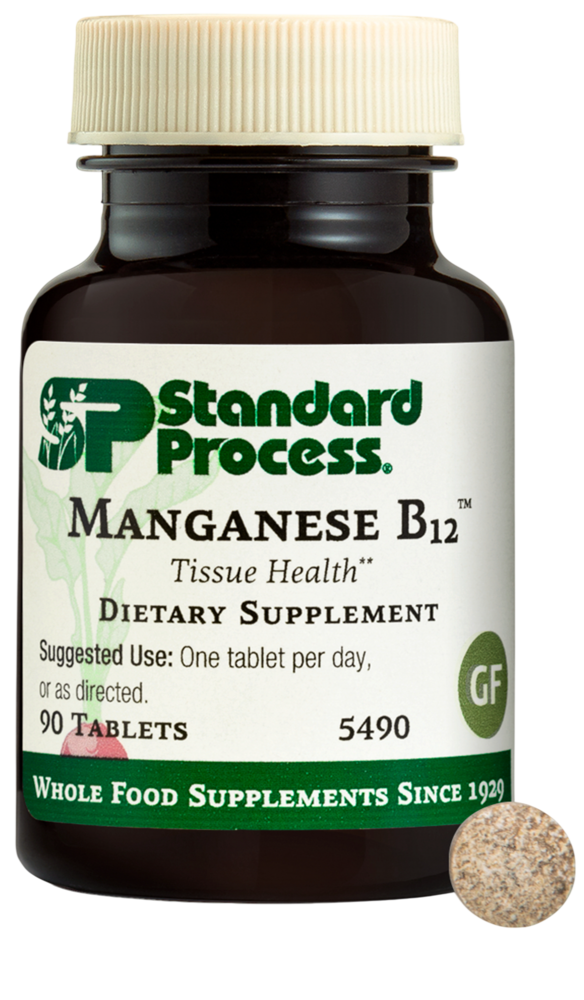
Manganese B12™ Review
Introduction
In my years of clinical practice as a chiropractor and nutritional specialist, I've observed that two of the most overlooked micronutrients in conventional medicine are manganese and vitamin B12. Patients presenting with chronic fatigue, peripheral tingling, mood instability, or joint discomfort frequently show suboptimal levels of one or both of these nutrients, yet standard panels rarely test for them comprehensively. Manganese B12™ was developed with this clinical gap in mind, offering a streamlined, bioavailable combination designed to address these interconnected deficiencies.
Manganese is an essential trace mineral that serves as a cofactor for over a dozen enzymes, most notably manganese superoxide dismutase (MnSOD), arginase, and glutamine synthetase. These enzymes govern everything from mitochondrial antioxidant defense to neurotransmitter regulation and connective tissue formation. Despite its critical roles, manganese is frequently displaced by excess calcium, iron, or phosphorus in the modern diet, leaving many patients functionally depleted even when dietary intake appears adequate.
Vitamin B12—particularly in its active coenzyme forms methylcobalamin and adenosylcobalamin—is indispensable for myelin sheath synthesis, homocysteine methylation, and red blood cell maturation. Deficiency is alarmingly common, particularly in older adults, vegetarians, vegans, and those using proton pump inhibitors or metformin. By pairing manganese with B12, this formulation targets overlapping physiological pathways that collectively support nerve health, energy production, and metabolic resilience.
Key Benefits of Manganese B12™
- Neurological Support & Myelin Integrity: Vitamin B12 in its methylcobalamin form is directly required for the synthesis and maintenance of myelin sheaths surrounding peripheral and central nervous system neurons. Patients with suboptimal B12 often present with numbness, tingling, cognitive fog, and gait disturbances that respond meaningfully to targeted cobalamin repletion.
- Mitochondrial Antioxidant Defense: Manganese is the essential cofactor for MnSOD, the primary antioxidant enzyme operating inside the mitochondrial matrix where oxidative stress is highest. Adequate manganese status helps neutralize superoxide radicals generated during ATP production, protecting cellular energy infrastructure from cumulative oxidative damage.
- Bone & Connective Tissue Formation: Manganese activates glycosyltransferases required for the synthesis of glycosaminoglycans, the structural scaffolding of cartilage, tendons, and bone matrix. As a clinician who works extensively with musculoskeletal patients, I consider manganese a foundational nutrient for anyone dealing with joint degeneration or slow connective tissue recovery.
- Homocysteine Metabolism & Cardiovascular Protection: Methylcobalamin serves as a methyl donor in the remethylation of homocysteine to methionine, helping keep this pro-inflammatory amino acid in check. Elevated homocysteine is an independent risk factor for cardiovascular disease, cognitive decline, and endothelial dysfunction, making B12 repletion a meaningful cardiovascular intervention.
- Energy Metabolism & Red Blood Cell Maturation: Adenosylcobalamin participates directly in the conversion of methylmalonyl-CoA to succinyl-CoA within the citric acid cycle, a step critical for sustained ATP production. B12 is also required for proper erythropoiesis; deficiency leads to megaloblastic anemia, which manifests clinically as profound fatigue, weakness, and reduced exercise tolerance.
Ingredients
Manganese B12™ is built on a focused whole food ingredient base:
- Manganese (as Manganese Bisglycinate Chelate): Bisglycinate chelation enhances manganese absorption by protecting the ion from competitive inhibition by calcium, iron, and phytates in the gut. This form delivers manganese directly to enterocytes for uptake, making it clinically superior to inorganic forms such as manganese sulfate or manganese chloride.
- Methylcobalamin (Active Vitamin B12): Methylcobalamin is the neurologically active form of B12 that functions immediately as a methyl donor without requiring hepatic conversion, unlike cyanocobalamin. It supports myelin synthesis, homocysteine remethylation, and neurotransmitter regulation, making it the preferred form for patients with neurological symptoms or MTHFR polymorphisms.
- Adenosylcobalamin (Mitochondrial B12 Coenzyme): Adenosylcobalamin operates specifically within the mitochondria to facilitate the methylmalonyl-CoA mutase reaction, a critical step in odd-chain fatty acid oxidation and energy substrate cycling. Including both active B12 coenzyme forms ensures complete cobalamin activity across both cytoplasmic and mitochondrial compartments.
- Riboflavin (Vitamin B2) as a Cofactor Enhancer: Riboflavin supports the regeneration of FAD-dependent enzymes and potentiates the activity of MTHFR, the enzyme responsible for producing the methyltetrahydrofolate needed to recycle homocysteine alongside B12. Its inclusion in this formulation addresses the biochemical interdependency between B-vitamin cofactors and cobalamin-dependent pathways.
Get Manganese B12™ Today
Don't overpay on Amazon! Buy Manganese B12™ directly from Dr. Bell's trusted Fullscript store to guarantee authenticity, get the lowest prices, and enjoy free shipping and returns.
Potential Side Effects & Precautions
Manganese B12™ is generally well tolerated, but consider the following:
- Manganese B12™ is generally well tolerated at recommended therapeutic dosages, and adverse events in clinical literature are uncommon when the product is used as directed. The manganese bisglycinate chelate form is specifically chosen to minimize gastrointestinal irritation that can occur with inorganic manganese salts.
- Patients with cholestatic liver disease or biliary dysfunction should exercise caution, as manganese is primarily excreted through bile and hepatic impairment can lead to manganese accumulation. I advise patients with known liver disease to consult their physician before initiating supplementation and to have manganese levels monitored if supplementing long term.
- Very high doses of manganese—well above the amounts found in this formulation—are associated with a condition called manganism, a neurological syndrome resembling Parkinson's disease. At therapeutic supplemental doses in the range of 2–10 mg daily, this risk is not clinically relevant for the general population, but I recommend against concurrent use with multiple manganese-containing supplements without professional guidance.
- Active B12 forms are water-soluble and have an excellent safety profile even at higher inttherapeutic doses; however, some patients report mild, transient acne flares when initiating high-dose B12 supplementation. Patients with a history of B12-induced acne may benefit from starting at a lower dose and titrating upward gradually while monitoring skin response.
The Science Behind It
Peer-reviewed research on key ingredients and mechanisms relevant to Manganese B12™:
Vitamin B12 and Cognitive Function: An Evidence-Based Analysis
This review examined the relationship between vitamin B12 status and neurological function, finding consistent associations between cobalamin deficiency and cognitive decline, peripheral neuropathy, and elevated homocysteine. The findings underscore the importance of active B12 repletion in populations at risk for neurological compromise.
Manganese Superoxide Dismutase in Oxidative Stress and Disease
This study characterized the central role of manganese-dependent MnSOD in mitochondrial antioxidant defense, demonstrating that reduced MnSOD activity is associated with increased oxidative damage and mitochondrial dysfunction. The findings highlight manganese's indispensable role in protecting cellular energy machinery from free radical injury.
Homocysteine and Cardiovascular Disease: Evidence on the Role of Vitamin B12
This meta-analysis confirmed that B12 supplementation significantly reduces circulating homocysteine levels, a known independent cardiovascular risk factor associated with endothelial dysfunction and arterial stiffness. The data support targeted cobalamin repletion as a practical strategy for cardiovascular risk reduction in deficient populations.
Manganese and Bone Health: Role in Glycosaminoglycan Synthesis and Skeletal Development
This investigation demonstrated that manganese is essential for the activation of glycosyltransferases responsible for glycosaminoglycan synthesis, the structural polymers critical for cartilage integrity and bone matrix formation. Manganese insufficiency was linked to impaired skeletal development and compromised connective tissue quality in the study models.
Dr. Bell's Verdict
Manganese B12™ stands out in a crowded supplement market because it addresses two genuinely under-recognized micronutrient gaps with scientifically sound ingredient selection and superior bioavailable forms. The pairing of bisglycinate-chelated manganese with dual-form active B12 coenzymes reflects a level of formulation sophistication that I find clinically compelling and that I would recommend with confidence to appropriate patients.
My primary clinical use cases for this product include patients presenting with peripheral neuropathy, chronic fatigue, elevated homocysteine, slow connective tissue recovery, and cognitive complaints—particularly in populations at high risk for B12 malabsorption. For practitioners and informed consumers seeking a targeted, mechanism-driven micronutrient intervention rather than a generic multivitamin, Manganese B12™ offers a well-reasoned and clinically defensible option.
Frequently Asked Questions
Who is most likely to benefit from Manganese B12™?
This formulation is particularly well suited for vegetarians and vegans, older adults over 50, patients using metformin or proton pump inhibitors, individuals with peripheral neuropathy or elevated homocysteine, and anyone dealing with chronic joint or connective tissue complaints. These populations share overlapping risk factors for both manganese and B12 insufficiency that this product directly addresses.
Why use methylcobalamin and adenosylcobalamin instead of cyanocobalamin?
Cyanocobalamin is a synthetic form of B12 that requires hepatic conversion into active coenzyme forms before it can be utilized by the body—a conversion step that is impaired in individuals with certain genetic variants, liver dysfunction, or high oxidative stress. Methylcobalamin and adenosylcobalamin are the two biologically active coenzyme forms that enter metabolic pathways directly, providing superior clinical efficacy especially for patients with neurological symptoms or MTHFR polymorphisms.
Can I take Manganese B12™ alongside a multivitamin?
It depends on the manganese content of your existing multivitamin, as the tolerable upper intake level for manganese is approximately 11 mg per day for adults. I recommend reviewing all supplement labels with your healthcare provider to ensure total daily manganese intake remains within safe therapeutic ranges and avoid unnecessary duplication.
How long does it typically take to notice results?
In my clinical experience, patients with documented B12 deficiency often notice improvements in energy and neurological symptoms within four to eight weeks of consistent supplementation, though full neurological recovery can take several months in cases of established deficiency. Manganese-related benefits such as improved joint comfort and antioxidant status tend to build more gradually over a similar timeframe, and I encourage patients to maintain consistent use for a minimum of three months before evaluating outcomes.
Where to Buy Manganese B12™
Don't overpay on Amazon! Buy Manganese B12™ directly from Dr. Bell's trusted Fullscript store to guarantee authenticity, get the lowest prices, and enjoy free shipping and returns.