Neuroplex Review
Introduction
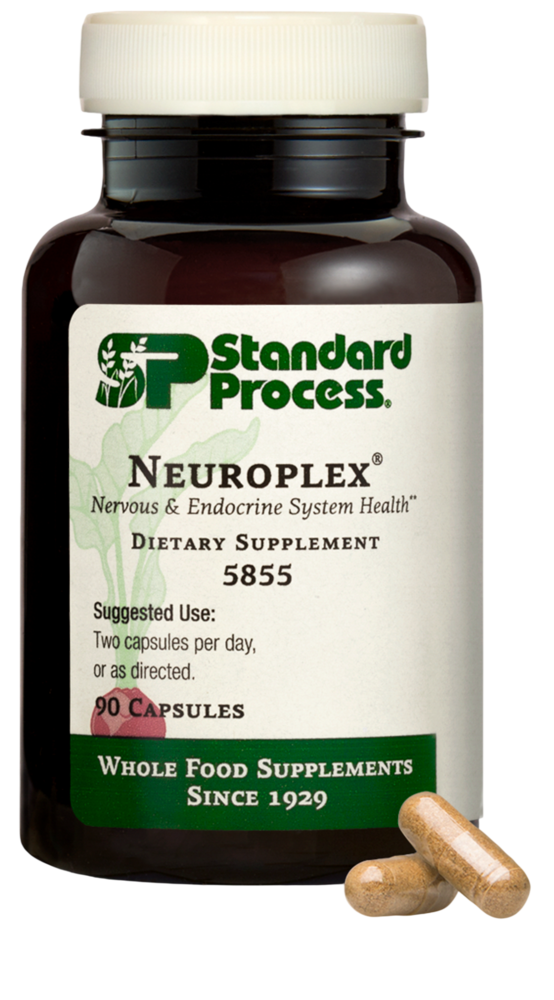
As a clinician who works extensively with patients presenting with peripheral neuropathy, cognitive fatigue, and stress-induced neurological symptoms, I'm always evaluating nutritional formulas that can complement my adjustive and rehabilitative care. Neuroplex caught my attention because it combines several nutrients with well-documented roles in neurological function into a single, clinically relevant formula. Rather than relying on isolated or token doses of popular ingredients, it appears to be formulated with therapeutic intent.
The nervous system is extraordinarily nutrient-dependent — myelin synthesis, neurotransmitter production, axonal regeneration, and synaptic signaling all require specific cofactors that are frequently depleted by modern dietary patterns, chronic stress, aging, and certain medications like metformin or proton pump inhibitors. Neuroplex addresses several of these critical gaps simultaneously, which is what distinguishes it from more generic 'brain health' supplements on the market. This multi-pathway approach is consistent with how I think about neurological support in a clinical setting.
In this review, I'll break down the key ingredients, their mechanisms of action, the supporting research, and my honest clinical assessment of who this product is most appropriate for. I'll also flag any considerations for special populations or potential interactions, because responsible supplementation always requires individualized evaluation. My goal is to give you the kind of information I'd share with a patient sitting across from me in my office.
Key Benefits of Neuroplex
- Peripheral Nerve Support & Neuropathy Relief: The combination of B1 (thiamine), B6 (pyridoxine), and B12 (methylcobalamin) in Neuroplex directly supports myelin sheath integrity and axonal conduction velocity, which is critical for patients experiencing tingling, numbness, or burning sensations in the extremities. These nutrients work synergistically to reduce oxidative stress along nerve pathways and support the regeneration of damaged nerve fibers.
- Cognitive Clarity & Memory Support: Phosphatidylserine and acetyl-L-carnitine work together to support neuronal membrane fluidity and acetylcholine synthesis, two mechanisms central to working memory, mental processing speed, and executive function. Patients dealing with brain fog, age-related cognitive slowdown, or stress-induced mental fatigue are likely to notice meaningful improvements with consistent use.
- Antioxidant Neuroprotection: Alpha-lipoic acid (ALA) is a uniquely potent antioxidant because it is both fat- and water-soluble, allowing it to neutralize free radicals in virtually every cellular compartment, including within mitochondria and nerve cell membranes. This makes it particularly valuable for reducing the oxidative burden that contributes to diabetic neuropathy and age-related neurological decline.
- Mitochondrial Energy Production in Neural Tissue: Acetyl-L-carnitine facilitates the transport of long-chain fatty acids into the mitochondrial matrix, directly supporting ATP production in metabolically demanding nerve and brain cells. This mechanism helps explain why patients often report improved mental stamina and reduced cognitive fatigue when using Neuroplex consistently over four to six weeks.
- Mood Stability & Stress Resilience: Adequate B12 and folate are essential cofactors in the methylation cycle, which governs the synthesis of serotonin, dopamine, and norepinephrine — the neurotransmitters most directly tied to mood regulation and stress response. By supporting this upstream biochemical pathway, Neuroplex may help reduce the neurochemical vulnerability that often accompanies chronic stress or inadequate dietary intake.
Ingredients
Neuroplex is built on a focused whole food ingredient base:
- Methylcobalamin (Vitamin B12): The active, neurologically preferred form of B12, methylcobalamin is essential for myelin synthesis, DNA methylation, and homocysteine regulation. Unlike cyanocobalamin, methylcobalamin does not require hepatic conversion and is preferentially retained in neural tissue, making it the clinically superior choice for nervous system support.
- Alpha-Lipoic Acid (ALA): A mitochondria-native antioxidant with both fat- and water-soluble properties, ALA quenches reactive oxygen species across all cellular compartments and regenerates other antioxidants including vitamins C and E and glutathione. It has been extensively studied for its role in reducing neuropathic pain, improving nerve conduction velocity, and supporting glucose metabolism in diabetic neuropathy.
- Phosphatidylserine: A phospholipid that constitutes a critical structural component of neuronal cell membranes, phosphatidylserine supports membrane fluidity, receptor sensitivity, and inter-neuronal signaling. Clinical trials have demonstrated its efficacy in improving memory recall, attention, and processing speed, particularly in age-related cognitive decline.
- Acetyl-L-Carnitine (ALCAR): The acetylated form of L-carnitine, ALCAR readily crosses the blood-brain barrier where it supports mitochondrial fatty acid oxidation, acetylcholine synthesis, and nerve growth factor (NGF) activity. It has demonstrated clinical benefit in peripheral neuropathy, mild cognitive impairment, and depression in numerous peer-reviewed trials.
Get Neuroplex Today
Don't overpay on Amazon! Buy Neuroplex directly from Dr. Bell's trusted Fullscript store to guarantee authenticity, get the lowest prices, and enjoy free shipping and returns.
Potential Side Effects & Precautions
Neuroplex is generally well tolerated, but consider the following:
- Neuroplex is generally well-tolerated by the majority of adults when used as directed. The most commonly reported side effects across its key ingredients — including mild gastrointestinal discomfort such as nausea or loose stools — tend to occur when supplements are taken on an empty stomach, and these symptoms typically resolve with meals.
- High doses of vitamin B6 over extended periods have historically been associated with sensory neuropathy, though this risk is primarily documented at doses far exceeding typical supplement levels (300–500 mg/day or more). Patients should confirm that the B6 content in Neuroplex falls within the established tolerable upper intake level of 100 mg/day and should always disclose supplement use to their prescribing physician.
- Alpha-lipoic acid can mildly lower blood glucose levels, which is generally beneficial but warrants attention in patients already using insulin or oral hypoglycemic agents. I advise diabetic patients to monitor blood sugar more closely when initiating ALA-containing supplements and to communicate with their endocrinologist or primary care provider accordingly.
- Phosphatidylserine derived from soy may be contraindicated for individuals with documented soy allergies, and patients on anticoagulant medications such as warfarin should be aware that some components in neurological support formulas can modestly influence coagulation parameters. As with all concentrated nutritional protocols, pregnant or breastfeeding individuals should consult their healthcare provider before use.
The Science Behind It
Peer-reviewed research on key ingredients and mechanisms relevant to Neuroplex:
Alpha-lipoic acid in the treatment of diabetic peripheral and cardiac autonomic neuropathy
This landmark review by Ziegler et al. examined the role of alpha-lipoic acid in reducing oxidative stress and improving nerve conduction in diabetic neuropathy, finding significant symptomatic improvements in neuropathic pain, numbness, and burning sensations. The study established ALA as one of the most evidence-supported nutritional interventions for peripheral neuropathy.
Acetyl-L-carnitine in the treatment of painful peripheral neuropathies
This randomized controlled trial demonstrated that acetyl-L-carnitine supplementation significantly reduced pain intensity and improved nerve fiber regeneration in patients with painful peripheral neuropathy compared to placebo. The findings support ALCAR's role in both symptomatic relief and structural nerve repair, relevant to Neuroplex's neurological support claims.
Phosphatidylserine and cognitive decline in the elderly: a double-blind, placebo-controlled trial
This double-blind trial by Crook et al. found that phosphatidylserine supplementation produced statistically significant improvements in memory, learning, and cognitive performance in older adults with age-associated memory impairment. These findings directly support the inclusion of phosphatidylserine in formulas targeting cognitive clarity and neurological aging.
Vitamin B12 deficiency and its neurological manifestations: current concepts
This comprehensive review outlines the critical role of vitamin B12 in myelin synthesis, axonal integrity, and neurological function, documenting that even subclinical deficiency can produce measurable cognitive impairment and peripheral neuropathy. The review supports the clinical rationale for using methylcobalamin — the neurologically active B12 form — as a cornerstone of neurological support supplementation.
Dr. Bell's Verdict
From a clinical standpoint, Neuroplex stands out as a thoughtfully formulated neurological support supplement that addresses multiple converging mechanisms — oxidative stress, mitochondrial dysfunction, myelin integrity, and neurotransmitter synthesis — rather than offering superficial single-nutrient coverage. The use of methylcobalamin over cyanocobalamin, and acetyl-L-carnitine over standard L-carnitine, signals that real formulation decisions were made with bioavailability and clinical efficacy in mind.
I would consider Neuroplex a strong clinical option for patients presenting with peripheral neuropathy, early cognitive changes, stress-related brain fog, or documented B12 insufficiency, particularly when dietary sources are inadequate or absorption is compromised. As with any supplement protocol, it works best as part of a comprehensive care plan that includes dietary optimization, physical activity, and addressing root-cause contributors to neurological stress.
Frequently Asked Questions
How long does it take to notice results from Neuroplex?
In my clinical experience, most patients begin noticing improvements in energy, mental clarity, and mild neuropathic symptoms within four to six weeks of consistent daily use. More significant structural changes — such as improved nerve conduction or measurable reductions in neuropathy severity — typically require three to six months of sustained supplementation, consistent with the biological timeline of nerve repair and remyelination.
Is Neuroplex appropriate for diabetic neuropathy?
Yes, Neuroplex contains two ingredients — alpha-lipoic acid and methylcobalamin — that have the strongest evidence base for diabetic peripheral neuropathy specifically. ALA has been used intravenously in European clinical practice for decades for this indication, and oral supplementation has shown meaningful reductions in neuropathic pain scores in randomized trials. I do recommend coordinating with your primary care or endocrinology team, particularly if you are on glucose-lowering medications.
Can I take Neuroplex with my current medications?
Several ingredients in Neuroplex — including ALA and phosphatidylserine — can interact with blood thinners, diabetes medications, and certain psychiatric drugs, so it is essential that you review this supplement with your prescribing physician or a qualified clinical nutritionist before adding it to your regimen. In my practice, I always perform a medication-supplement interaction review before initiating any new protocol, and I encourage the same diligence for all patients.
Is Neuroplex suitable for vegetarians or vegans?
This depends on the specific manufacturing of the product, particularly the phosphatidylserine source (soy-derived PS is typically vegan-friendly, while older bovine cortex-derived versions are not) and the encapsulation material used. I recommend checking the manufacturer's label for capsule composition and allergen disclosures, or contacting the company directly to confirm suitability for plant-based dietary requirements.
Where to Buy Neuroplex
Don't overpay on Amazon! Buy Neuroplex directly from Dr. Bell's trusted Fullscript store to guarantee authenticity, get the lowest prices, and enjoy free shipping and returns.