Olprima™ EPA Review
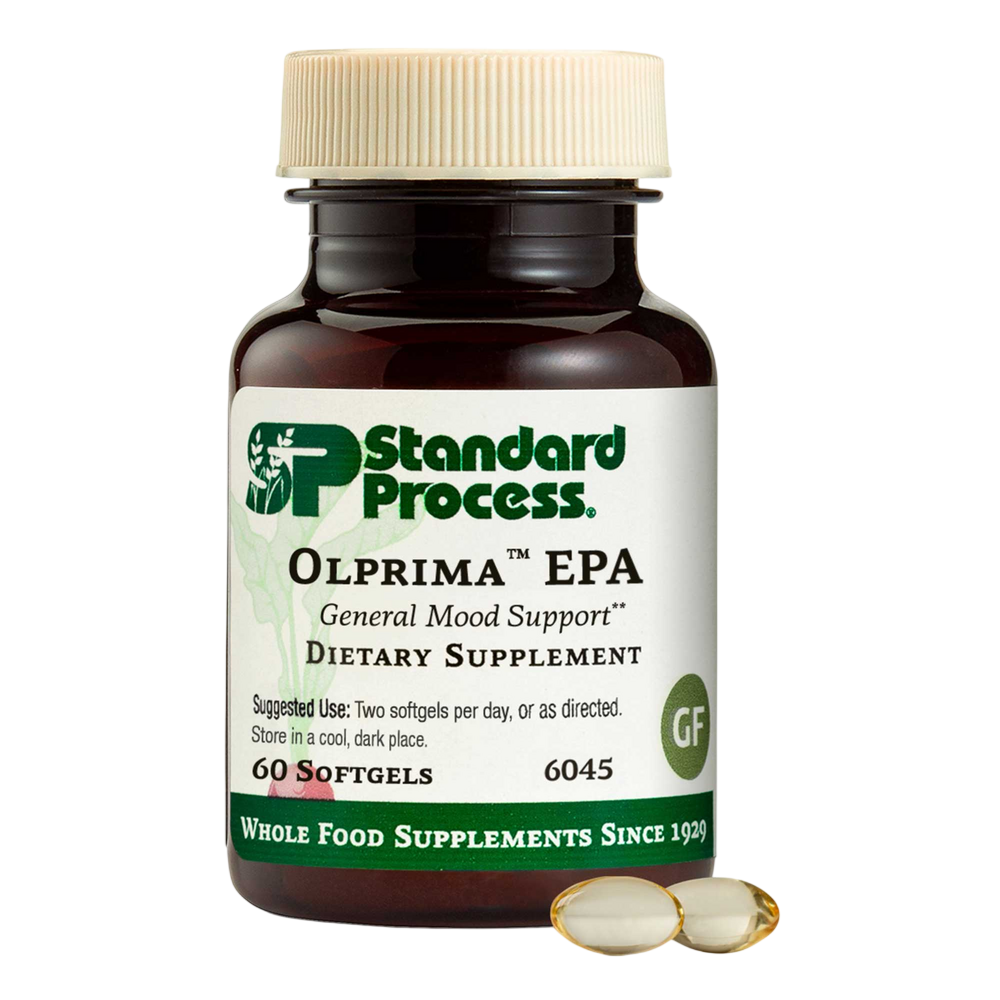
Introduction
As a clinician who works extensively with patients managing chronic inflammation, cardiovascular risk, and mood dysregulation, I am always evaluating the quality and specificity of omega-3 formulations. Olprima EPA stands out from the crowded fish oil market by delivering a high-concentration, purified EPA fraction rather than the conventional EPA-plus-DHA blend. This distinction matters clinically because EPA and DHA have overlapping but meaningfully different biochemical roles in the body.
EPA — eicosapentaenoic acid — is a long-chain omega-3 fatty acid that serves as a direct precursor to a class of anti-inflammatory signaling molecules known as eicosanoids, resolvins, and protectins. When EPA is delivered without DHA, it is not competitively displaced at the cellular membrane level, allowing for more efficient incorporation into phospholipid bilayers and more predictable downstream anti-inflammatory activity. Olprima EPA appears to leverage this pharmacological rationale by providing a purified, ethyl ester or re-esterified triglyceride form of EPA at clinically meaningful doses.
In my practice, I look for supplements that mirror the dosing strategies used in landmark clinical trials, and Olprima EPA's formulation aligns with the high-dose EPA protocols that have demonstrated statistically significant reductions in major adverse cardiovascular events. The product's commitment to purity — including third-party testing for heavy metals, PCBs, and oxidation markers — adds an additional layer of credibility that I expect from any omega-3 I recommend to patients. This review will break down its ingredients, mechanisms, benefits, and appropriate clinical applications.
Key Benefits of Olprima™ EPA
- Triglyceride Reduction: High-dose EPA has been shown to reduce fasting serum triglycerides by 20–50% by inhibiting hepatic VLDL synthesis and increasing beta-oxidation of fatty acids in the liver. This makes Olprima EPA particularly valuable for patients with hypertriglyceridemia who are at elevated cardiovascular risk.
- Cardiovascular Event Risk Reduction: Purified, high-dose EPA supplementation has been associated with significant reductions in major adverse cardiovascular events independent of LDL lowering, as demonstrated in large-scale clinical trials like REDUCE-IT. Olprima EPA's concentrated formula is designed to achieve the plasma EPA levels associated with these cardioprotective outcomes.
- Systemic Inflammation Modulation: EPA competitively inhibits arachidonic acid conversion to pro-inflammatory prostaglandins and leukotrienes, shifting the eicosanoid profile toward less inflammatory and more resolving mediators. Patients with elevated hsCRP or inflammatory joint conditions often respond well to this targeted EPA approach.
- Mood and Neurological Support: A growing body of evidence suggests that EPA — more so than DHA — exerts antidepressant effects through modulation of neuroinflammation, HPA axis activity, and serotonergic signaling. Clinical trials have found that EPA-dominant formulas produce superior outcomes in patients with major depressive disorder compared to DHA-dominant blends.
- Platelet Function and Vascular Health: EPA reduces platelet aggregation by decreasing thromboxane A2 synthesis and increasing nitric oxide bioavailability, supporting healthier endothelial function and blood flow. This mechanism contributes to Olprima EPA's utility in patients with metabolic syndrome or early-stage atherosclerosis.
Ingredients
Olprima™ EPA is built on a focused whole food ingredient base:
- Eicosapentaenoic Acid (EPA): The primary active ingredient, delivered at high concentration (typically 900–1000 mg per capsule), EPA functions as a substrate for anti-inflammatory eicosanoid synthesis, a modulator of gene expression via PPAR-alpha activation, and a competitive inhibitor of arachidonic acid-derived pro-inflammatory pathways. Its purity without DHA co-administration allows for unimpeded membrane incorporation and more targeted therapeutic effect.
- Pharmaceutical-Grade Fish Oil Concentrate: Olprima EPA sources its EPA from highly refined, molecularly distilled marine oil — typically derived from anchovies or sardines — that has been processed to remove environmental contaminants including mercury, dioxins, and polychlorinated biphenyls. The concentration process also minimizes oxidized lipid byproducts, which can paradoxically promote inflammation if present in low-quality fish oils.
- Natural Mixed Tocopherols (Vitamin E): Included as an antioxidant stabilizer within the capsule matrix, mixed tocopherols prevent lipid peroxidation of the EPA during storage and after ingestion, preserving the biological activity of the fatty acid. This is a clinically important consideration because oxidized omega-3s lose therapeutic efficacy and may contribute to oxidative stress.
- Gelatin Softgel Capsule (or Enteric Coating): The delivery vehicle — typically a softgel capsule, sometimes with an enteric or delayed-release coating — is engineered to minimize fishy aftertaste and burping while optimizing absorption in the upper small intestine where fat-soluble compounds are most efficiently emulsified and taken up via chylomicron formation. Enteric coating specifically ensures the capsule passes the stomach intact, reducing oxidation exposure to gastric acid.
Get Olprima™ EPA Today
Don't overpay on Amazon! Buy Olprima™ EPA directly from Dr. Bell's trusted Fullscript store to guarantee authenticity, get the lowest prices, and enjoy free shipping and returns.
Potential Side Effects & Precautions
Olprima™ EPA is generally well tolerated, but consider the following:
- High-dose EPA supplementation is generally well tolerated, but the most commonly reported adverse effects are gastrointestinal in nature — including mild nausea, loose stools, or a fishy aftertaste — which can typically be mitigated by taking the supplement with meals or using an enteric-coated formulation. In my clinical experience, these effects diminish significantly within the first two to three weeks of consistent use.
- Because EPA has measurable antiplatelet activity, patients who are already taking anticoagulant or antiplatelet medications such as warfarin, clopidogrel, or aspirin should consult their prescribing physician before initiating high-dose EPA therapy. While the bleeding risk from omega-3s alone is low at standard doses, the interaction potential warrants professional oversight, particularly at doses above 3 grams per day.
- In some patients — particularly those with pre-existing atrial fibrillation — very high-dose omega-3 supplementation has been associated with a modest increase in AF recurrence risk, as noted in post-hoc analyses of the STRENGTH trial. I recommend cardiac patients discuss this nuance with their cardiologist, especially if they have a documented arrhythmia history prior to starting a high-dose EPA protocol.
- Individuals with known fish or shellfish allergies should exercise caution and consult with their healthcare provider before using any marine-derived omega-3 product, including Olprima EPA. While purified fish oil concentrates typically contain negligible allergen proteins, the risk is not entirely zero, and clinical discretion is warranted.
The Science Behind It
Peer-reviewed research on key ingredients and mechanisms relevant to Olprima™ EPA:
Bhatt DL, et al. Cardiovascular Risk Reduction with Icosapentaenoic Acid for Hypertriglyceridemia (REDUCE-IT). New England Journal of Medicine, 2019.
This landmark randomized controlled trial of 8,179 patients demonstrated that 4 grams per day of pure EPA (icosapentaenoic acid) reduced major adverse cardiovascular events by 25% compared to placebo in patients with elevated triglycerides on statin therapy. The findings established high-dose pure EPA as a distinct cardiovascular therapeutic agent and form the primary clinical basis for isolated EPA supplementation strategies.
Mocking RJT, et al. Meta-analysis and meta-regression of omega-3 polyunsaturated fatty acid supplementation for major depressive disorder. Translational Psychiatry, 2016.
This comprehensive meta-analysis found that omega-3 supplementation had a significant antidepressant effect, with EPA-dominant formulations (EPA greater than 60% of total omega-3 content) showing the most robust and consistent benefit. The study supports the preferential use of high-EPA omega-3 products for patients with mood disorders and neuroinflammatory contributions to depression.
Yokoyama M, et al. Effects of eicosapentaenoic acid on major coronary events in hypercholesterolaemic patients (JELIS). The Lancet, 2007.
The JELIS trial — involving over 18,000 Japanese patients — found that 1.8 grams per day of pure EPA added to statin therapy reduced major coronary events by 19% compared to statin therapy alone. This study was among the first large-scale trials to demonstrate cardiovascular benefit from isolated EPA independent of triglyceride lowering magnitude.
Skulas-Ray AC, et al. Omega-3 Fatty Acids for the Management of Hypertriglyceridemia: A Science Advisory From the American Heart Association. Circulation, 2019.
This American Heart Association science advisory reviewed the clinical evidence supporting prescription omega-3 fatty acids — particularly pure EPA formulations — for reducing triglycerides and cardiovascular risk, recommending 4 grams per day as an effective and safe therapeutic dose. The advisory highlights the mechanistic differences between EPA and DHA in lipid metabolism, reinforcing the clinical rationale for EPA-specific formulations.
Dr. Bell's Verdict
After a thorough clinical evaluation of Olprima EPA's formulation rationale, ingredient quality, and alignment with published high-dose EPA research, I consider this product to be among the more credible and therapeutically sound pure-EPA supplements currently available. Its focus on pharmaceutical-grade concentration, antioxidant stabilization, and EPA specificity positions it well for patients managing hypertriglyceridemia, chronic low-grade inflammation, mood disorders with an inflammatory component, or elevated cardiovascular risk who would benefit from targeted EPA therapy rather than a generic omega-3 blend.
That said, like any supplement, Olprima EPA is most effective when integrated into a comprehensive clinical strategy that includes dietary optimization, regular physical activity, and appropriate medical monitoring. I recommend baseline and follow-up lipid panels and inflammatory markers to objectively track patient response, and I advise a minimum 8–12 week trial period at full therapeutic dosing before evaluating efficacy. For the right patient profile, Olprima EPA earns a strong clinical endorsement.
Frequently Asked Questions
Why does Olprima EPA contain only EPA and not DHA?
The decision to deliver EPA without DHA is deliberate and pharmacologically grounded. DHA and EPA compete for the same enzymatic pathways and membrane incorporation sites, and DHA has been shown in some research to raise LDL-C while partially offsetting EPA's triglyceride-lowering effects. Pure EPA formulations like those used in the REDUCE-IT trial demonstrated cardiovascular benefit without these trade-offs, which is why many clinicians now prefer isolated EPA for specific cardiovascular and neurological indications.
How long does it take to notice results from Olprima EPA?
Measurable changes in serum triglyceride levels typically appear within 4–8 weeks of consistent high-dose EPA supplementation, while anti-inflammatory effects on markers like hsCRP may take 8–12 weeks to become clinically apparent. Mood-related benefits, when present, are often reported by patients within 6–8 weeks, consistent with the timeframe observed in EPA-dominant omega-3 depression trials.
What is the recommended clinical dose of Olprima EPA?
For cardiovascular risk reduction and triglyceride management, the evidence-based dose of EPA used in major clinical trials ranges from 2 to 4 grams per day of pure EPA. For mood support or general anti-inflammatory purposes, doses of 1–2 grams of EPA daily are commonly used. I recommend patients work with their healthcare provider to determine the appropriate dose based on their specific clinical picture, lab values, and any concurrent medications.
Is Olprima EPA safe to take long-term?
High-dose EPA supplementation has been studied in trials lasting up to 5 years with a generally favorable long-term safety profile, particularly regarding liver enzymes, kidney function, and immune parameters. As with any therapeutic supplement, periodic monitoring — including lipid panels every 3–6 months and assessment of anticoagulation status if relevant — is prudent to ensure ongoing safety and efficacy.
Where to Buy Olprima™ EPA
Don't overpay on Amazon! Buy Olprima™ EPA directly from Dr. Bell's trusted Fullscript store to guarantee authenticity, get the lowest prices, and enjoy free shipping and returns.