Olprima™ EPA | DHA Review
Introduction
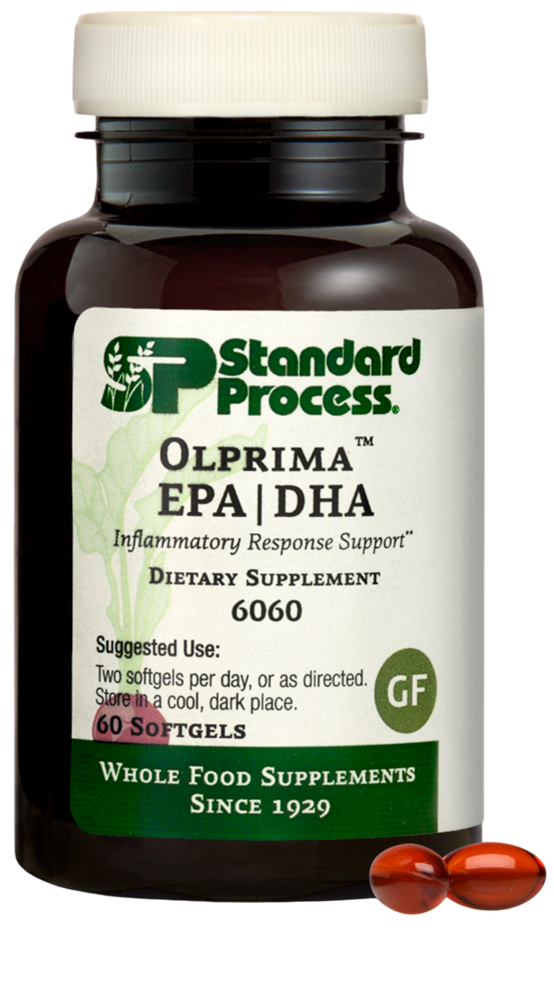
As a Doctor of Chiropractic with a strong focus on nutritional biochemistry, I evaluate omega-3 supplements with particular scrutiny — because the market is flooded with products that underdose active ingredients, use inferior molecular forms, or carry concerning levels of oxidative byproducts. Olprima EPA | DHA stands out from that crowded field by delivering a concentrated, high-purity blend of eicosapentaenoic acid (EPA) and docosahexaenoic acid (DHA) in a form the body can actually absorb and utilize at the cellular level.
The therapeutic distinction between EPA and DHA is often underappreciated in general wellness products, but Olprima appears to have been formulated with clinical intent. EPA is the primary omega-3 mediator of inflammatory signaling — it competes with arachidonic acid for cyclooxygenase and lipoxygenase enzymes, reducing the production of pro-inflammatory eicosanoids. DHA, by contrast, is the structural omega-3 — essential for neuronal membrane integrity, retinal function, and fetal neurodevelopment — making the combined formulation relevant across a wide patient demographic.
From a formulation standpoint, what matters beyond the raw EPA and DHA numbers is bioavailability. Olprima utilizes a triglyceride-based delivery matrix, which research consistently shows is absorbed more efficiently than ethyl ester forms common in lower-cost products. When I recommend an omega-3 to my patients — whether they're managing musculoskeletal inflammation, cardiovascular risk factors, or neurological health — I need confidence that the active compounds are reaching target tissues, and the triglyceride form provides that confidence.
Key Benefits of Olprima™ EPA | DHA
- Triglyceride Reduction & Cardiovascular Protection: EPA and DHA at clinically relevant doses have been shown to reduce serum triglycerides by 20–50%, partly through inhibition of hepatic VLDL synthesis and enhanced lipoprotein lipase activity. This makes Olprima EPA | DHA a compelling adjunct intervention for patients with hypertriglyceridemia or metabolic syndrome.
- Systemic Inflammation Modulation: EPA competes directly with arachidonic acid in the eicosanoid cascade, reducing the synthesis of pro-inflammatory prostaglandins (PGE2), thromboxanes, and leukotrienes while promoting the production of anti-inflammatory resolvins and protectins. Patients with chronic musculoskeletal pain, autoimmune conditions, or elevated high-sensitivity CRP may notice meaningful symptomatic relief with consistent use.
- Neurological & Cognitive Support: DHA constitutes approximately 30–40% of the polyunsaturated fatty acid content in the brain's gray matter and is critical for synaptic membrane fluidity, neurotransmitter receptor function, and neuroprotective signaling. Adequate DHA intake has been associated with reduced risk of cognitive decline, improved mood regulation, and better outcomes in patients with depression and anxiety.
- Joint & Musculoskeletal Health: In my clinical practice, omega-3 supplementation is one of the first nutritional interventions I recommend for patients presenting with inflammatory joint conditions such as osteoarthritis or rheumatoid arthritis. EPA and DHA reduce synovial inflammation by down-regulating NF-κB signaling and decreasing the expression of matrix metalloproteinases that degrade cartilage.
- Mood, Stress Resilience & HPA Axis Support: Emerging research highlights the bidirectional relationship between omega-3 status and HPA axis regulation, with EPA in particular demonstrating antidepressant-adjacent effects through modulation of serotonin and dopamine signaling pathways. Patients dealing with chronic stress, low mood, or anxiety-related conditions often show meaningful improvement in omega-3 index scores alongside subjective well-being when on high-quality EPA/DHA protocols.
Ingredients
Olprima™ EPA | DHA is built on a focused whole food ingredient base:
- EPA (Eicosapentaenoic Acid): A long-chain omega-3 fatty acid that serves as a direct precursor to anti-inflammatory eicosanoids including Series-3 prostaglandins and Series-5 leukotrienes. EPA is the primary omega-3 for cardiovascular protection, triglyceride reduction, and inflammatory modulation, and is the dominant active compound for mood and HPA axis support in clinical research.
- DHA (Docosahexaenoic Acid): The principal structural omega-3 fatty acid found in neuronal membranes, retinal photoreceptors, and cardiac tissue. DHA supports synaptic plasticity, membrane fluidity, and the production of neuroprotective compounds called neuroprotectins, making it indispensable for patients with neurological, visual, or developmental health priorities.
- Triglyceride-Form Fish Oil Matrix: Unlike ethyl ester omega-3 forms, the re-esterified triglyceride (rTG) form used in premium products like Olprima is recognized and processed by pancreatic lipase more efficiently in the gastrointestinal tract, resulting in significantly higher bioavailability — estimated to be 70% greater absorption compared to ethyl esters in some studies. This matrix also reduces the likelihood of oxidative degradation during digestion.
- Natural Mixed Tocopherols (Vitamin E Complex): Fish oil is inherently susceptible to lipid peroxidation, which can render the product not only ineffective but potentially pro-inflammatory. A natural mixed tocopherol blend (including alpha-, gamma-, and delta-tocopherol) serves as a lipophilic antioxidant that stabilizes the EPA and DHA molecules both within the capsule and at the cellular membrane level, preserving therapeutic potency and reducing oxidative burden.
Get Olprima™ EPA | DHA Today
Don't overpay on Amazon! Buy Olprima™ EPA | DHA directly from Dr. Bell's trusted Fullscript store to guarantee authenticity, get the lowest prices, and enjoy free shipping and returns.
Potential Side Effects & Precautions
Olprima™ EPA | DHA is generally well tolerated, but consider the following:
- The most commonly reported side effects with high-dose omega-3 supplementation are gastrointestinal in nature — including fishy burps, mild nausea, loose stools, or reflux. These effects are generally dose-dependent and transient, and can be minimized by taking capsules with meals, starting at a lower dose and titrating upward, or briefly freezing the capsules before ingestion.
- At very high doses (typically above 3 grams of combined EPA+DHA per day), omega-3 fatty acids can have a mild anticoagulant effect by reducing platelet aggregation. While this is generally beneficial for cardiovascular health, patients on anticoagulant medications such as warfarin, clopidogrel, or aspirin therapy should consult their physician before beginning high-dose omega-3 supplementation to avoid potentiation of bleeding risk.
- Some individuals — particularly those with fish or shellfish allergies — may experience hypersensitivity reactions to fish-derived omega-3 products. While most highly refined fish oils remove the majority of allergenic proteins during processing, I still recommend that patients with confirmed fish allergies exercise caution and consider allergen testing or consultation with an allergist before use.
- There is a small subset of patients who may experience a transient elevation in LDL cholesterol with high-dose EPA/DHA supplementation, particularly those with familial hypercholesterolemia or pre-existing lipid abnormalities. This is more commonly observed with DHA-dominant formulas and underscores the importance of baseline lipid panel monitoring in patients using high-dose omega-3 protocols long-term.
The Science Behind It
Peer-reviewed research on key ingredients and mechanisms relevant to Olprima™ EPA | DHA:
Omega-3 Fatty Acids and Cardiovascular Disease: Effects on Risk Factors, Molecular Pathways, and Clinical Events
This comprehensive review published in the Journal of the American College of Cardiology evaluated the cardiovascular effects of EPA and DHA, documenting their ability to reduce triglycerides, lower blood pressure, improve endothelial function, and reduce arrhythmia risk. The findings support the use of combined EPA/DHA supplementation as a clinically meaningful cardiovascular intervention, particularly in high-risk populations.
Bioavailability of Long-Chain Omega-3 Fatty Acids from Phospholipid, Triacylglycerol, and Free Fatty Acid Forms in a Single Meal
This pharmacokinetic study compared the absorption of omega-3 fatty acids delivered in different molecular forms and found that the triglyceride and phospholipid forms produced significantly higher plasma EPA and DHA levels compared to ethyl ester forms following a single dose. These findings directly support the clinical rationale for using triglyceride-form fish oils like Olprima over standard ethyl ester concentrates.
Meta-Analysis and Meta-Regression of Fish Oil Supplementation and Incidence of Depression
This meta-analysis examined 13 randomized controlled trials and found that omega-3 supplementation — particularly formulations with higher EPA content — produced statistically significant reductions in depressive symptoms compared to placebo. The study reinforces EPA's role as the primary omega-3 mediator of mood-related neurobiological pathways, including serotonin and dopamine signaling.
Omega-3 Fatty Acids and Inflammatory Processes: From Molecules to Man
Published in Biochemical Society Transactions, this mechanistic review details how EPA and DHA reduce pro-inflammatory cytokine production, inhibit NF-κB signaling, and serve as precursors to specialized pro-resolving mediators (SPMs) including resolvins and protectins. These mechanisms provide a robust biochemical rationale for the anti-inflammatory clinical applications of high-dose EPA/DHA supplementation across musculoskeletal, cardiovascular, and autoimmune conditions.
Dr. Bell's Verdict
Olprima EPA | DHA represents a thoughtfully formulated, clinically credible omega-3 product that checks the boxes I look for when recommending fish oil in a clinical context: meaningful EPA and DHA concentrations, a bioavailable triglyceride delivery form, and antioxidant stabilization. It is appropriate for a wide range of patients — from those managing cardiovascular risk and inflammatory conditions to individuals seeking neurological support or mood stabilization — and the dose-per-capsule allows for flexible therapeutic dosing without requiring an unreasonable capsule burden.
I would position Olprima EPA | DHA as a first-tier recommendation in my practice for patients who need a reliable, high-quality omega-3 intervention. It is not a budget product, and patients should understand they are paying for purity, bioavailability, and concentration — but in my experience, the clinical outcomes justify the investment. Combined with dietary optimization and targeted lifestyle interventions, this formulation can be a meaningful part of a comprehensive anti-inflammatory or cardiovascular wellness protocol.
Frequently Asked Questions
What is the difference between EPA and DHA, and why does it matter?
EPA and DHA are both long-chain omega-3 fatty acids, but they serve distinct physiological roles. EPA is primarily an anti-inflammatory signaling molecule that modulates the eicosanoid cascade and has the strongest evidence for cardiovascular and mood-related benefits. DHA is a structural fatty acid essential for brain, retinal, and cardiac membrane integrity. A product like Olprima that provides meaningful amounts of both allows the body to utilize each for its specific function rather than relying on metabolic interconversion, which is inefficient in most adults.
How is the triglyceride form of fish oil different from ethyl ester forms?
Most concentrated omega-3 supplements are initially processed into an ethyl ester (EE) form during molecular distillation, which allows for purification and concentration of EPA and DHA. Some manufacturers stop there, but premium products like Olprima undergo a re-esterification step to convert the EPA and DHA back into a natural triglyceride (rTG) form. Research demonstrates that the triglyceride form is absorbed up to 70% more efficiently than ethyl esters because it is processed by the same digestive enzymes the body uses for dietary fats, making it the superior choice for clinical applications.
How long does it take to notice benefits from Olprima EPA | DHA?
Omega-3 fatty acids are not acute-acting supplements — they work by gradually shifting the fatty acid composition of cell membranes and inflammatory mediator profiles over time. Most patients begin to notice subjective improvements in joint comfort, mood stability, or cardiovascular markers within 6–12 weeks of consistent use, though full membrane incorporation and measurable changes in omega-3 index testing typically take 3–6 months. I encourage my patients to commit to at least a 90-day trial before assessing outcomes.
Can I take Olprima EPA | DHA if I am already on prescription medications?
While omega-3 fatty acids are generally very safe and well-tolerated, there are a few important drug interactions to be aware of. High-dose EPA and DHA can potentiate the effects of anticoagulant and antiplatelet medications, including warfarin, aspirin, and NSAIDs, by reducing platelet aggregation. Additionally, omega-3s may have additive effects with antihypertensive or lipid-lowering medications. I always recommend that patients taking prescription medications disclose all supplements to their prescribing physician before initiating a high-dose omega-3 protocol.
Where to Buy Olprima™ EPA | DHA
Don't overpay on Amazon! Buy Olprima™ EPA | DHA directly from Dr. Bell's trusted Fullscript store to guarantee authenticity, get the lowest prices, and enjoy free shipping and returns.