Organically Bound Minerals Review
Introduction
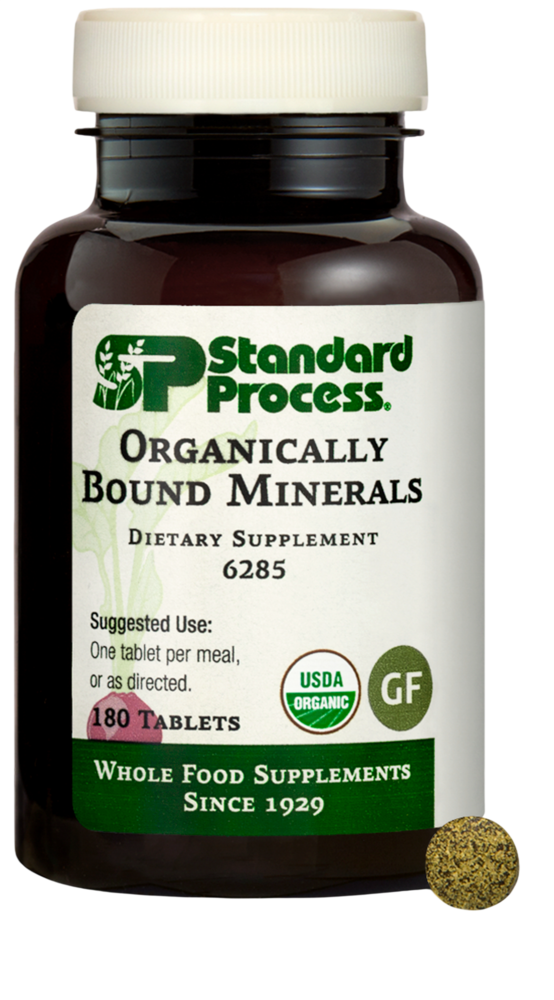
In my clinical practice, one of the most overlooked drivers of chronic fatigue, musculoskeletal complaints, and poor recovery is subclinical mineral deficiency. Modern agricultural practices have significantly depleted soil mineral content, meaning even a whole-food diet may fall short of delivering adequate trace elements like zinc, manganese, copper, chromium, and selenium. Organically Bound Minerals addresses this gap by providing these essential nutrients in chelated or organically complexed forms that the body can readily identify and absorb.
The term 'organically bound' refers to the process of attaching minerals to organic molecules—typically amino acids, proteinate complexes, or other carbon-based carriers—rather than presenting them as inorganic salts like oxides or carbonates. This distinction matters enormously in a clinical context. Inorganic mineral salts are poorly absorbed and frequently cause gastrointestinal irritation, while chelated and organically bound minerals bypass many of these limitations by mimicking how minerals naturally appear in food.
I recommend this type of mineral complex to a wide range of patients: athletes requiring faster tissue repair, menopausal women concerned about bone density, individuals managing blood sugar dysregulation, and anyone dealing with persistent low energy or immune vulnerability. The breadth of physiological processes that depend on adequate trace mineral status—from DNA synthesis and antioxidant defense to thyroid hormone conversion and insulin signaling—makes a well-formulated organically bound mineral supplement one of the highest-value foundational products in integrative nutrition.
Key Benefits of Organically Bound Minerals
- Enhanced Mineral Absorption: Chelated and organically bound minerals are absorbed via amino acid transport pathways in the small intestine, bypassing the competitive inhibition and pH sensitivity that limits inorganic mineral uptake. Clinical data consistently shows chelated forms achieving 2–4 times greater bioavailability than their inorganic counterparts.
- Bone and Connective Tissue Support: Minerals such as manganese, copper, and zinc are essential cofactors for enzymes like lysyl oxidase and alkaline phosphatase, which cross-link collagen fibers and mineralize bone matrix. Adequate supply of these trace elements supports structural integrity across bone, cartilage, tendons, and ligaments.
- Metabolic and Blood Sugar Regulation: Chromium in its organically bound form potentiates insulin receptor sensitivity, facilitating more efficient glucose uptake into cells. Zinc additionally plays a critical role in insulin synthesis, storage, and secretion from pancreatic beta cells, making this formula particularly relevant for patients managing metabolic syndrome.
- Antioxidant and Immune Defense: Selenium is a required cofactor for glutathione peroxidase, one of the body's primary antioxidant enzymes, and copper supports superoxide dismutase activity. Together, these minerals form a cornerstone of the endogenous antioxidant network that protects cells from oxidative stress and supports immune surveillance.
- Nervous System and Neurotransmitter Function: Zinc and copper are required for the synthesis and degradation of key neurotransmitters including dopamine, serotonin, and GABA, directly influencing mood stability, cognitive clarity, and stress resilience. Manganese is a necessary cofactor for mitochondrial superoxide dismutase (MnSOD), protecting neural tissue from oxidative damage.
Ingredients
Organically Bound Minerals is built on a focused whole food ingredient base:
- Zinc (as Zinc Proteinate or Amino Acid Chelate): Zinc proteinate delivers zinc bound to hydrolyzed protein, facilitating absorption through peptide transport channels in the jejunum. Clinically essential for immune modulation, wound healing, testosterone production, taste and smell function, and over 300 enzymatic reactions including DNA polymerase and carbonic anhydrase.
- Manganese (as Manganese Gluconate or Amino Acid Chelate): Manganese is a critical cofactor for arginase, pyruvate carboxylase, and mitochondrial superoxide dismutase (MnSOD), positioning it at the intersection of energy metabolism and cellular antioxidant protection. Its chelated form significantly improves uptake compared to manganese sulfate, which has poor absorption efficiency in the competitive mineral environment of the gut.
- Chromium (as Chromium Nicotinate Glycinate or Chromium Polynicotinate): Organically bound chromium enhances the action of insulin by facilitating binding to its receptor, improving cellular glucose uptake and reducing postprandial blood sugar spikes. This form is recognized as among the safest and most bioavailable chromium sources, with research supporting its role in reducing cravings, supporting lean body composition, and improving lipid profiles.
- Selenium (as Selenomethionine or Selenium Amino Acid Complex): Selenomethionine is the preferred clinical form of selenium, incorporated directly into proteins in place of methionine and stored efficiently in skeletal muscle for sustained release. It serves as the backbone for selenoproteins including glutathione peroxidase and thioredoxin reductase, making it indispensable for thyroid hormone activation, antioxidant defense, and immune regulation.
- Copper (as Copper Lysinate or Copper Amino Acid Chelate): Copper chelated to lysine or other amino acids demonstrates superior mucosal uptake compared to copper sulfate and avoids the gastrointestinal discomfort often associated with inorganic copper salts. Copper is required for cytochrome c oxidase (mitochondrial energy production), lysyl oxidase (collagen and elastin cross-linking), ceruloplasmin (iron metabolism), and dopamine beta-hydroxylase (catecholamine synthesis).
Get Organically Bound Minerals Today
Don't overpay on Amazon! Buy Organically Bound Minerals directly from Dr. Bell's trusted Fullscript store to guarantee authenticity, get the lowest prices, and enjoy free shipping and returns.
Potential Side Effects & Precautions
Organically Bound Minerals is generally well tolerated, but consider the following:
- Organically bound minerals are generally very well tolerated, and their chelated delivery mechanism significantly reduces the gastrointestinal irritation—nausea, cramping, and diarrhea—that commonly occurs with inorganic mineral salts. Most patients, even those with sensitive digestive systems, report minimal to no adverse effects when taking this formula with food.
- Copper toxicity is an important consideration for individuals with Wilson's disease or those with known copper accumulation disorders, and this supplement should be avoided or used only under supervision in those populations. For healthy individuals, the doses present in a properly formulated organically bound mineral product are well within safe upper limits established by the Institute of Medicine.
- High-dose selenium intake above 400 mcg per day over extended periods can cause selenosis, presenting as garlic breath odor, hair loss, nail brittleness, and neurological symptoms. Organically bound mineral formulas are typically dosed well below this threshold, but patients stacking multiple supplements should audit their total daily selenium intake.
- There are important drug-nutrient interactions to be aware of: zinc can reduce the absorption of certain antibiotics (quinolones, tetracyclines) and thyroid medications, while chromium may require monitoring in patients on antidiabetic medications or insulin due to additive blood sugar-lowering effects. I recommend spacing mineral supplementation at least two hours from these medications and informing the prescribing physician.
The Science Behind It
Peer-reviewed research on key ingredients and mechanisms relevant to Organically Bound Minerals:
Comparative absorption of zinc picolinate, zinc citrate and zinc gluconate in humans
This study demonstrated that organically complexed zinc forms—particularly zinc picolinate—achieved significantly higher absorption than inorganic zinc oxide in human subjects, supporting the clinical rationale for choosing chelated over inorganic mineral delivery systems.
Selenium and human health
This landmark review in The Lancet detailed selenium's roles as a cofactor for glutathione peroxidase and thioredoxin reductase, linking selenoprotein function to thyroid metabolism, immune defense, and cancer risk reduction, underscoring the clinical importance of adequate selenium status.
Chromium picolinate supplementation attenuates body weight gain and increases insulin sensitivity in subjects with type 2 diabetes
This randomized controlled trial found that organically bound chromium supplementation significantly improved insulin sensitivity and reduced body weight in type 2 diabetic patients compared to placebo, validating chromium's mechanistic role in glucose metabolism and receptor signaling.
Zinc and its role in immunity and inflammation
This peer-reviewed analysis documented zinc's regulatory functions across innate and adaptive immunity, including T-cell development and cytokine signaling, demonstrating why zinc deficiency produces broad immune vulnerability and supporting supplementation in at-risk populations.
Dr. Bell's Verdict
Organically Bound Minerals represents a clinically meaningful upgrade over conventional mineral supplements that rely on inorganic salt forms. The use of chelated and proteinate-bound minerals directly addresses the absorption limitations that render many budget mineral products largely ineffective, particularly in patients with compromised digestive function, achlorhydria, or chronic inflammatory conditions that impair nutrient uptake.
I recommend this product as a foundational supplement for patients with documented or suspected mineral insufficiency, those with high physiological demands such as athletes or pregnant women, and individuals whose dietary patterns limit whole-food mineral sources. When combined with a nutrient-dense diet and appropriate clinical oversight, Organically Bound Minerals provides a reliable, well-tolerated, and biologically intelligent strategy for addressing trace mineral deficiency at its root.
Frequently Asked Questions
What does 'organically bound' mean and why does it matter?
Organically bound means the mineral is chemically attached to an organic molecule—typically an amino acid or peptide—rather than presented as an inorganic salt like an oxide, sulfate, or carbonate. This matters because organically bound minerals are absorbed through amino acid transport pathways in the intestine, achieving significantly higher bioavailability and causing far less gastrointestinal irritation than their inorganic counterparts.
Can I take Organically Bound Minerals with other supplements?
Generally yes, but it is worth noting that minerals compete with one another for absorption when taken together in high amounts. For example, excess zinc can impair copper absorption over time, which is why well-formulated products maintain appropriate zinc-to-copper ratios (typically 8:1 to 15:1). I also advise spacing mineral supplements at least two hours away from calcium-heavy products, antibiotics, or thyroid medications to avoid absorption interference.
Who benefits most from an organically bound mineral supplement?
The patients I see who benefit most include those with digestive insufficiency or low stomach acid (hypochlorhydria), individuals eating restrictive diets, athletes with high mineral turnover, perimenopausal and postmenopausal women concerned about bone health, and patients managing metabolic conditions such as insulin resistance or thyroid dysfunction. Essentially, anyone whose mineral demand exceeds what a standard diet can reliably provide.
How long does it take to notice results from taking Organically Bound Minerals?
Mineral repletion is a gradual process, and patients should not expect dramatic overnight changes. In my clinical experience, most patients begin noticing improvements in energy levels, sleep quality, and general resilience within four to eight weeks of consistent use, though full correction of significant mineral depletion may take three to six months depending on baseline status and individual absorption capacity.
Where to Buy Organically Bound Minerals
Don't overpay on Amazon! Buy Organically Bound Minerals directly from Dr. Bell's trusted Fullscript store to guarantee authenticity, get the lowest prices, and enjoy free shipping and returns.