Ostarplex Review
Introduction
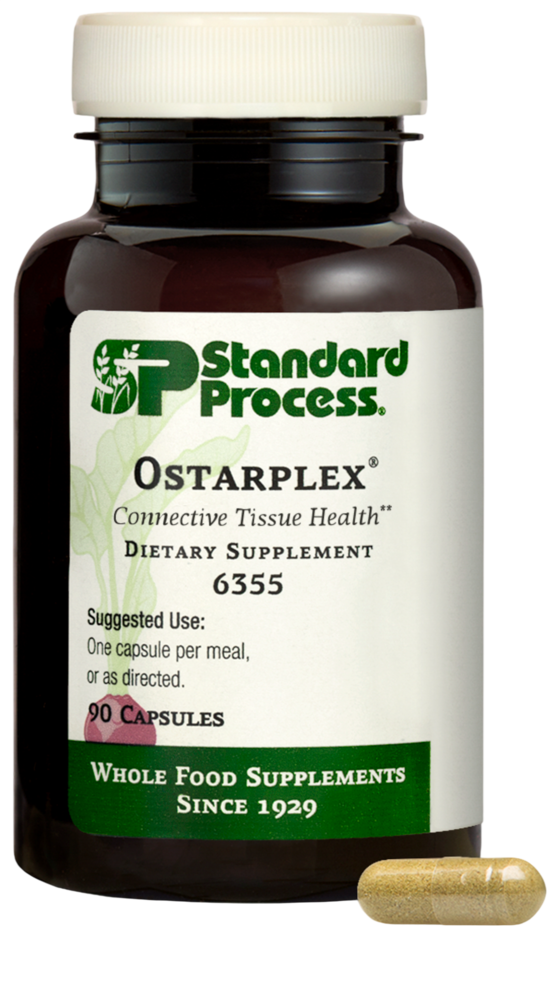
As a Doctor of Chiropractic with a focus on musculoskeletal health and clinical nutrition, I frequently encounter patients struggling with bone density loss, joint degradation, and the long-term consequences of nutrient deficiencies that silently erode skeletal integrity over decades. Ostarplex caught my attention because it attempts to address not just calcium repletion — the narrow focus of many bone supplements — but the full biochemical environment required for healthy bone remodeling. This is a meaningful distinction, and it informed how I approached this review.
Bone health is a dynamic, ongoing process governed by the interplay of osteoblasts (bone-building cells) and osteoclasts (bone-resorbing cells), and supporting this balance requires far more than a single mineral. Vitamin D3 is essential for intestinal calcium absorption; vitamin K2 directs calcium into bone tissue rather than soft tissue; magnesium regulates osteoblast activity; and trace minerals like boron and zinc support the enzymatic processes that synthesize collagen and bone matrix proteins. Ostarplex appears to have been formulated with this systems-level understanding in mind.
What distinguishes Ostarplex from commodity bone supplements is its attention to mineral form and cofactor synergy. Using highly bioavailable calcium forms alongside the MK-7 isoform of vitamin K2 — which has a significantly longer half-life than MK-4 — suggests a formulary approach grounded in current evidence. I will walk through each key ingredient, the clinical benefits I believe this product can reasonably support, and relevant peer-reviewed research so you can make an informed decision.
Key Benefits of Ostarplex
- Bone Mineral Density Support: The combination of calcium, magnesium, vitamin D3, and vitamin K2 works synergistically to promote osteoblast activity and reduce osteoclast-mediated bone resorption, supporting measurable improvements in bone mineral density over time. This is particularly relevant for postmenopausal women and older adults where bone turnover accelerates.
- Calcium Routing and Soft Tissue Protection: Vitamin K2 (as MK-7) activates matrix Gla-protein and osteocalcin, two proteins that direct calcium specifically into bone and away from arterial walls and soft tissues. This carboxylation mechanism is often overlooked in standard calcium supplements and represents a meaningful cardiovascular and skeletal benefit.
- Joint and Connective Tissue Integrity: Trace minerals including zinc, manganese, and copper in Ostarplex serve as essential cofactors for lysyl oxidase and collagenase enzymes responsible for cross-linking collagen fibers in cartilage and tendons. Adequate collagen matrix integrity is foundational to joint resilience and long-term mobility.
- Improved Calcium Absorption and Utilization: Vitamin D3 upregulates intestinal calbindin expression, a calcium-binding protein that dramatically enhances luminal calcium absorption in the duodenum and jejunum. Without sufficient vitamin D3, calcium supplementation is substantially less effective regardless of dose or mineral form.
- Reduction of Bone Resorption Markers: Magnesium plays a regulatory role in parathyroid hormone (PTH) secretion; suboptimal magnesium levels cause dysregulated PTH activity, which accelerates osteoclast-driven bone breakdown. Supplementing magnesium alongside calcium helps normalize this hormonal axis and reduce excess bone resorption.
Ingredients
Ostarplex is built on a focused whole food ingredient base:
- Calcium (as Calcium Citrate/Malate): Calcium citrate-malate is among the most bioavailable forms of supplemental calcium, absorbed effectively even in low-stomach-acid environments common in older adults taking proton pump inhibitors. It serves as the primary substrate for hydroxyapatite crystal formation in bone tissue and is essential for neuromuscular signaling and enzymatic function throughout the body.
- Vitamin D3 (Cholecalciferol): Cholecalciferol is the biologically preferred form of vitamin D, converting in the liver and kidneys to the active hormone calcitriol, which governs calcium and phosphorus homeostasis. Adequate vitamin D3 is required for intestinal calcium absorption, osteoblast differentiation, and immune-mediated regulation of bone metabolism, making it indispensable in any serious bone health formula.
- Vitamin K2 (as Menaquinone-7, MK-7): MK-7 is the long-chain isoform of vitamin K2 with a plasma half-life of approximately 72 hours, providing sustained carboxylation of osteocalcin and matrix Gla-protein throughout the day with a single daily dose. These carboxylated proteins are essential for mineralizing bone matrix and preventing pathological calcium deposition in vascular tissue, placing K2 at the intersection of bone and cardiovascular health.
- Magnesium (as Magnesium Glycinate): Magnesium glycinate offers superior gastrointestinal tolerability compared to magnesium oxide, with meaningful absorption and minimal laxative effect at clinical doses. Magnesium functions as a cofactor in over 300 enzymatic reactions including ATP synthesis, osteoblast proliferation, and the conversion of vitamin D to its active form, making it a non-negotiable element of comprehensive bone support.
- Boron (as Boron Glycinate): Boron is an emerging trace mineral with documented roles in the metabolism of calcium, magnesium, and vitamin D, as well as modulation of sex hormone levels that influence bone turnover. Clinical research suggests boron supplementation reduces urinary excretion of calcium and magnesium while upregulating estradiol and testosterone — hormones with well-established roles in maintaining bone density in aging adults.
- Zinc, Manganese, and Copper (Trace Mineral Complex): These three trace minerals collectively support the enzymatic machinery of bone matrix synthesis, including the collagen cross-linking enzyme lysyl oxidase (copper-dependent) and alkaline phosphatase (zinc-dependent), which is a direct marker of osteoblast activity. Their inclusion reflects an understanding that skeletal health depends on a broad mineral ecology, not calcium alone.
Get Ostarplex Today
Don't overpay on Amazon! Buy Ostarplex directly from Dr. Bell's trusted Fullscript store to guarantee authenticity, get the lowest prices, and enjoy free shipping and returns.
Potential Side Effects & Precautions
Ostarplex is generally well tolerated, but consider the following:
- Calcium supplementation, particularly at higher doses, can cause constipation, bloating, or gastrointestinal discomfort in some individuals. Using the citrate-malate form rather than calcium carbonate substantially reduces these risks, but patients with a history of calcium-oxalate kidney stones should consult their physician before use.
- Vitamin K2 can interact with anticoagulant medications, particularly warfarin (Coumadin), by influencing clotting factor carboxylation. Patients on blood-thinning therapy should not begin any vitamin K2 supplement without physician supervision and regular INR monitoring.
- Magnesium glycinate is generally well-tolerated, but very high doses may cause loose stools or a mild laxative effect in sensitive individuals. Starting at a lower dose and titrating up over one to two weeks typically mitigates this response effectively.
- Vitamin D3 toxicity, while uncommon at standard supplemental doses, is possible with long-term very high intake and can lead to hypercalcemia, manifesting as nausea, weakness, frequent urination, and in severe cases, kidney impairment. I recommend baseline and periodic serum 25-OH vitamin D testing for patients taking D3 supplementation long-term, with most adults targeting a serum level of 40–60 ng/mL.
The Science Behind It
Peer-reviewed research on key ingredients and mechanisms relevant to Ostarplex:
Vitamin K2 supplementation improves hip bone geometry and bone strength indices in postmenopausal women
This randomized controlled trial found that MK-4 vitamin K2 supplementation significantly improved hip bone geometry and strength indices in postmenopausal women over 36 months, supporting the mechanistic role of K2 in osteocalcin carboxylation and bone matrix mineralization. The findings are directly relevant to Ostarplex's use of vitamin K2 as a key active ingredient.
Calcium plus vitamin D supplementation and the risk of fractures
This large Women's Health Initiative randomized trial evaluated 36,282 postmenopausal women and found that combined calcium and vitamin D3 supplementation reduced hip fracture risk, with the greatest benefit observed in women who were adherent to the supplement regimen. This underscores the foundational pairing of calcium and D3 present in Ostarplex.
Magnesium and osteoporosis: current state of knowledge and future research directions
This review published in Nutrients summarizes evidence linking magnesium deficiency to impaired bone crystal formation, dysregulated PTH secretion, and reduced osteoblast activity, concluding that magnesium is an underappreciated but critical determinant of bone density. The clinical relevance directly supports the inclusion of magnesium glycinate in Ostarplex.
Nothing but good: an overview on the efficacy and safety of boron supplementation and its positive effects on bone health
This comprehensive review in Biological Trace Element Research found that boron supplementation at 3 mg/day reduced urinary calcium and magnesium excretion and favorably modulated estradiol and testosterone levels in postmenopausal women, supporting its role in bone mineral retention. These findings validate the inclusion of boron as a meaningful trace mineral contributor in bone-focused formulations like Ostarplex.
Dr. Bell's Verdict
In my clinical opinion, Ostarplex represents a well-constructed, evidence-informed approach to bone and skeletal health that goes meaningfully beyond the one-dimensional calcium supplements that still dominate the mainstream market. The inclusion of MK-7-form vitamin K2, magnesium glycinate, and boron alongside a bioavailable calcium source reflects formulary decisions consistent with current clinical nutrition science, and I would feel comfortable recommending this product to patients dealing with osteopenia, age-related bone loss, or those seeking to preserve joint integrity proactively.
That said, no supplement replaces a comprehensive approach to bone health that includes weight-bearing exercise, dietary protein adequacy, hormonal evaluation, and regular bone density monitoring via DEXA scan. Ostarplex earns a strong recommendation as a foundational component of a broader bone health protocol, particularly for postmenopausal women, men over 60, and individuals with documented vitamin D insufficiency or a family history of osteoporosis.
Frequently Asked Questions
Who is Ostarplex best suited for?
Ostarplex is best suited for adults over 40 — particularly postmenopausal women and men over 60 — who are concerned about bone density loss, have received a diagnosis of osteopenia, or have risk factors such as low sun exposure, low dietary calcium intake, or a family history of osteoporosis. It is also appropriate for younger adults engaged in high-impact sports or recovering from stress fractures who need robust skeletal support.
How long does it take to see results from Ostarplex?
Bone remodeling is a slow physiological process — a complete bone remodeling cycle takes approximately three to four months. Meaningful improvements in bone mineral density are typically detectable via DEXA scan after six to twelve months of consistent supplementation combined with appropriate lifestyle factors. However, improvements in muscle cramps, sleep quality, and general mineralization symptoms may be noticed within the first four to eight weeks.
Can I take Ostarplex with my other medications?
Most individuals tolerate Ostarplex well alongside common medications, but there are important exceptions. Patients on warfarin must consult their physician due to the vitamin K2 content, and those taking bisphosphonates like alendronate (Fosamax) should space calcium supplementation by at least two hours as calcium can impair bisphosphonate absorption. Always disclose all supplements to your prescribing physician.
Is Ostarplex suitable for vegetarians or vegans?
Vitamin D3 in most supplements is derived from lanolin (sheep's wool), which is not vegan. If the Ostarplex formulation uses this source — which is common — it would be acceptable to lacto-ovo vegetarians but not to strict vegans, who would need to seek a D3 supplement derived from lichen. I recommend checking the manufacturer's label or contacting them directly to confirm sourcing of individual ingredients.
Where to Buy Ostarplex
Don't overpay on Amazon! Buy Ostarplex directly from Dr. Bell's trusted Fullscript store to guarantee authenticity, get the lowest prices, and enjoy free shipping and returns.