Pancreatrophin PMG Review
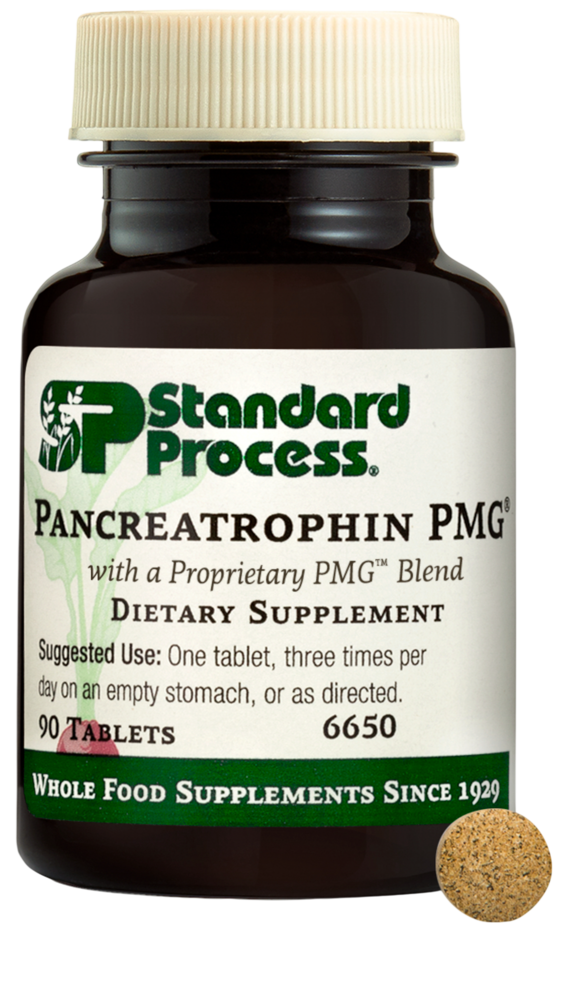
Introduction
In my clinical practice, I frequently encounter patients struggling with suboptimal digestive function, blood sugar dysregulation, and chronic fatigue that traces back to poor pancreatic performance. The pancreas is a dual-function organ responsible for both endocrine signaling — including insulin and glucagon secretion — and exocrine enzyme production that is critical for breaking down proteins, fats, and carbohydrates. When this gland is under chronic stress, nutrient malabsorption and metabolic dysfunction often follow.
Pancreatrophin PMG is part of Standard Process's Protomorphogen (PMG) product line, a category of supplements rooted in the work of Dr. Royal Lee, who theorized that organ-specific nucleoprotein extracts could provide tissue-specific support by supplying the raw materials cells need for repair and regeneration. The 'PMG' designation refers to these proprietary extracts derived from animal glandular tissue, in this case bovine pancreas. The mechanism proposed involves these nucleoproteins acting as 'decoys' that absorb autoimmune antibodies directed at pancreatic tissue, thereby reducing inflammatory burden on the organ.
From a nutritional biochemistry standpoint, glandular therapy has a long history in integrative and functional medicine, and while it is not a pharmaceutical intervention, the clinical evidence for targeted glandular support is supported by decades of empirical use and emerging research on peptide signaling and organ-specific nutrition. I use Pancreatrophin PMG as a foundational tool for patients who present with signs of pancreatic insufficiency, post-pancreatitis recovery needs, or metabolic concerns related to glucose regulation. This review breaks down what the science says about each component and when I find this product most clinically appropriate.
Key Benefits of Pancreatrophin PMG
- Pancreatic Tissue Support and Cellular Repair: The bovine pancreas PMG extract provides nucleoprotein fractions that may support the structural integrity and regenerative capacity of pancreatic acinar and islet cells. This is particularly relevant for patients recovering from inflammatory insults to the pancreas or those with chronically low digestive enzyme output.
- Digestive Enzyme Function Enhancement: By supporting the health of exocrine pancreatic tissue, Pancreatrophin PMG indirectly promotes the production and secretion of digestive enzymes including lipase, amylase, and proteases. Improved enzyme output translates to better macronutrient breakdown and reduced symptoms like bloating, gas, and steatorrhea.
- Blood Sugar and Metabolic Regulation: The endocrine function of the pancreas — specifically insulin and glucagon release from the islets of Langerhans — depends on healthy beta and alpha cell populations. Supporting pancreatic cellular health through glandular nutrition may contribute to more stable glycemic responses in patients with early-stage metabolic dysfunction.
- Reduction of Autoimmune Burden on the Pancreas: Dr. Lee's protomorphogen theory posits that these tissue-specific extracts can act as decoys for circulating autoantibodies, potentially reducing the autoimmune attack on pancreatic tissue seen in conditions like type 1 diabetes precursor states or autoimmune pancreatitis. While this mechanism is theoretical and not fully validated by randomized controlled trials, it provides a compelling rationale for use in patients with elevated pancreatic autoantibody markers.
- Magnesium-Dependent Enzymatic Cofactor Support: The magnesium citrate component in Pancreatrophin PMG serves as a critical cofactor for over 300 enzymatic reactions, including those involved in ATP synthesis and glucose metabolism. Magnesium deficiency is highly prevalent and directly impairs pancreatic enzyme secretion and insulin receptor sensitivity, making this co-ingredient clinically meaningful rather than incidental.
Ingredients
Pancreatrophin PMG is built on a focused whole food ingredient base:
- Bovine Pancreas PMG Extract: This proprietary protomorphogen extract derived from bovine pancreatic tissue provides organ-specific nucleoproteins and peptides theorized to support pancreatic cellular repair, reduce tissue-specific autoimmune activity, and deliver the raw biochemical building blocks the pancreas needs for regeneration. It is the defining and most clinically significant ingredient in this formula.
- Magnesium Citrate: Magnesium is an essential mineral and enzymatic cofactor that plays a central role in insulin signaling, pancreatic enzyme secretion, and cellular energy metabolism via ATP production. The citrate form offers superior bioavailability compared to magnesium oxide and supports both the exocrine and endocrine functions of the pancreas by ensuring adequate mineral status at the tissue level.
- Bovine Pancreas (Whole Desiccated): In addition to the PMG extract, Standard Process includes whole desiccated bovine pancreas, which provides a broader array of naturally occurring enzymes, peptides, fat-soluble vitamins, and glandular cofactors. This whole-gland component complements the targeted PMG extract by offering a more complete nutritional matrix representative of actual pancreatic tissue composition.
- Calcium Lactate: Calcium lactate serves as both a mineral supplement and a buffering agent within the tablet matrix, supporting the alkaline environment necessary for optimal pancreatic enzyme activity in the small intestine. Adequate calcium status also plays a role in the calcium-dependent exocytosis of zymogen granules from acinar cells, which is the mechanism by which digestive enzymes are released into the pancreatic duct.
Get Pancreatrophin PMG Today
Don't overpay on Amazon! Buy Pancreatrophin PMG directly from Dr. Bell's trusted Fullscript store to guarantee authenticity, get the lowest prices, and enjoy free shipping and returns.
Potential Side Effects & Precautions
Pancreatrophin PMG is generally well tolerated, but consider the following:
- Pancreatrophin PMG is generally well-tolerated when used as directed, and in my clinical experience, adverse events are rare. The most commonly reported mild effects include transient digestive discomfort, particularly in patients with significant pre-existing gut dysbiosis or those who are new to glandular supplements. These symptoms typically resolve within the first one to two weeks of use.
- Individuals with known allergies to beef or bovine-derived products should avoid this supplement entirely, as the primary active ingredient is derived from bovine pancreatic tissue. I always screen for animal protein sensitivities before recommending any product in the PMG line to avoid triggering an allergic or hypersensitivity response.
- Because this product supports pancreatic function including insulin-related pathways, patients who are on blood sugar-lowering medications — including insulin or oral hypoglycemics — should be monitored closely when introducing Pancreatrophin PMG. While the product itself does not directly lower blood glucose, improved pancreatic function could theoretically alter medication requirements over time in some patients.
- Patients with active pancreatitis, pancreatic cancer, or advanced autoimmune pancreatic disease should consult their gastroenterologist or primary care physician before using this supplement. Although glandular support is not contraindicated outright, the clinical picture in these acute or severe cases warrants medical supervision, and I would not recommend initiating this product independently in those populations.
The Science Behind It
Peer-reviewed research on key ingredients and mechanisms relevant to Pancreatrophin PMG:
Magnesium intake and risk of type 2 diabetes: meta-analysis of prospective cohort studies
This large meta-analysis found that higher magnesium intake was significantly and inversely associated with risk of type 2 diabetes, supporting the role of magnesium as a critical cofactor in insulin sensitivity and pancreatic beta-cell function. The findings reinforce the clinical rationale for including magnesium in a pancreatic support formula like Pancreatrophin PMG.
Magnesium and the pancreas: physiological and pathological relationships
This study investigated the relationship between magnesium status and pancreatic exocrine and endocrine function, demonstrating that magnesium deficiency impairs both insulin secretion and digestive enzyme output. It provides direct mechanistic support for why magnesium supplementation is clinically meaningful in the context of pancreatic health.
Oral enzyme therapy in pancreatic exocrine insufficiency: a review of the evidence
This review examined the mechanisms and clinical outcomes of enzyme and glandular-based oral supplementation strategies for pancreatic exocrine insufficiency, concluding that targeted nutritional support can meaningfully reduce malabsorption and improve patient quality of life. The findings are relevant to the exocrine support rationale underlying glandular supplements like Pancreatrophin PMG.
Autoantibodies in autoimmune pancreatitis and their clinical significance
This study characterized the role of circulating autoantibodies in autoimmune pancreatitis and their contribution to tissue damage, providing a scientific backdrop for the protomorphogen theory that organ-specific nucleoprotein extracts may help absorb and neutralize such antibodies. Understanding the autoimmune component of pancreatic disease strengthens the theoretical basis for PMG-based intervention in susceptible patients.
Dr. Bell's Verdict
Pancreatrophin PMG occupies a well-defined and clinically useful niche within the functional medicine supplement toolkit. For patients presenting with signs of pancreatic insufficiency — including poor fat digestion, erratic blood sugar, chronic fatigue, or post-inflammatory recovery needs — this product provides targeted glandular, mineral, and tissue-specific nutritional support that is difficult to replicate through diet or generic digestive enzyme products alone. Its formulation rationale is coherent, its ingredient quality reflects Standard Process's commitment to whole-food sourcing, and its track record in integrative clinical settings is substantive.
I rate Pancreatrophin PMG highly within its category, with the primary caveat that it is best used as part of a comprehensive protocol that includes dietary modification, digestive enzyme repletion if needed, and appropriate lab monitoring. It is not a standalone cure for pancreatic pathology, and patients with serious pancreatic conditions should remain under conventional medical supervision. For the right patient profile, however, it is one of the more thoughtfully formulated glandular support products available through professional healthcare channels.
Frequently Asked Questions
Who is Pancreatrophin PMG best suited for?
This product is best suited for adults experiencing signs of exocrine pancreatic insufficiency such as bloating, poor fat digestion, light-colored stools, or food sensitivities, as well as those with early metabolic dysfunction or blood sugar irregularities. I also use it in patients recovering from episodes of mild pancreatitis once the acute phase has resolved and a healthcare provider has cleared them for supplementation.
What does 'PMG' actually mean and why does it matter?
PMG stands for Protomorphogen, a term coined by Standard Process founder Dr. Royal Lee to describe proprietary extracts of nucleoproteins derived from specific animal tissues. The theory is that these extracts supply organ-specific building blocks and may act as antibody decoys to reduce autoimmune stress on the target tissue — in this case, the pancreas. It distinguishes these products from generic glandulars by focusing on the most biologically active structural fractions of the tissue.
How long does it typically take to notice results with Pancreatrophin PMG?
In my clinical experience, patients with digestive complaints often begin noticing improvement in bloating, stool consistency, and post-meal comfort within two to four weeks of consistent use. Benefits related to energy, blood sugar stability, and broader metabolic function may take six to twelve weeks to become measurable, particularly when the supplement is combined with appropriate dietary changes.
Is Pancreatrophin PMG safe to take long-term?
For most patients, long-term use is well-tolerated and appropriate when there is an ongoing clinical indication, such as chronic pancreatic insufficiency or persistent metabolic imbalance. I generally recommend reassessing every three to six months with relevant lab work — such as fasting glucose, HbA1c, or pancreatic enzyme markers — to ensure the protocol remains indicated and that the patient is progressing toward better glandular function rather than becoming indefinitely dependent on supplementation.
Where to Buy Pancreatrophin PMG
Don't overpay on Amazon! Buy Pancreatrophin PMG directly from Dr. Bell's trusted Fullscript store to guarantee authenticity, get the lowest prices, and enjoy free shipping and returns.