Pneumotrophin PMG Review
Introduction
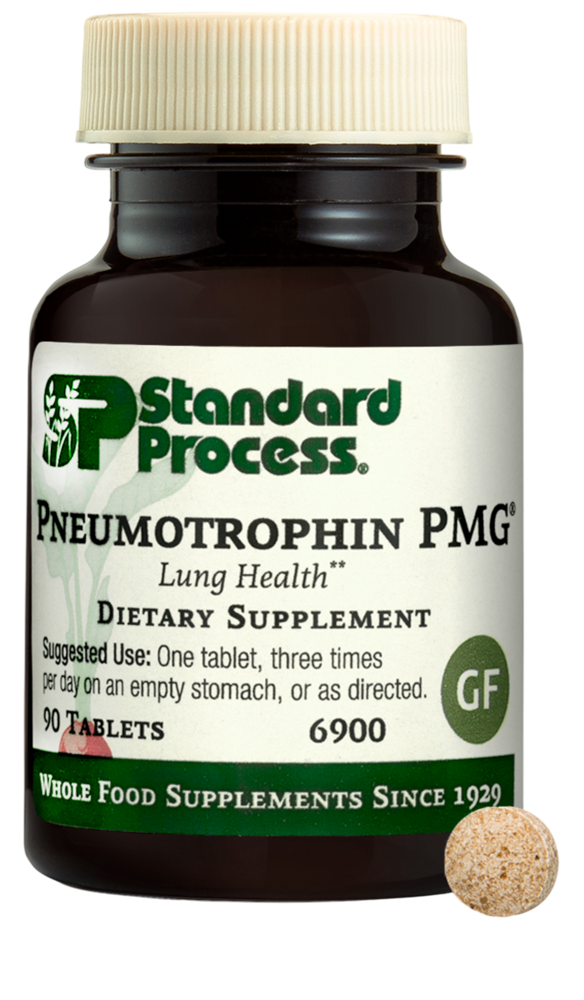
In my clinical practice, I regularly encounter patients whose respiratory health is compromised by chronic inflammation, environmental stressors, or seasonal immune challenges—and finding targeted, tissue-specific support can be difficult with conventional approaches. Pneumotrophin PMG, manufactured by Standard Process, is one of the more intriguing tools in my nutritional toolkit precisely because it takes a fundamentally different approach from most respiratory supplements on the market. Rather than relying on herbs or antioxidants alone, it leverages the concept of protomorphogen (PMG) extracts, which are nucleoprotein-mineral complexes derived from bovine lung tissue.
The theoretical basis for PMG supplementation stems from the work of Dr. Royal Lee, the founder of Standard Process, who proposed that tissue-specific cellular extracts could act as templates for cellular repair and immune modulation. The idea is that PMG extracts release nucleotides and peptide fractions that compete with the body's own tissue antigens, potentially reducing the autoimmune or inflammatory burden placed on the corresponding organ—in this case, the lungs. While this mechanism is not yet fully validated by large-scale randomized controlled trials, the foundational science of nucleotide supplementation and organotherapy has meaningful support in the broader literature.
Pneumotrophin PMG also contains calcium and magnesium as cofactors, which serve important roles in smooth muscle function within the bronchial airways and in overall respiratory physiology. As a clinician, I view this product as a long-game supplement—one that works best as part of a broader respiratory protocol that may include dietary anti-inflammatory strategies, targeted antioxidants, and lifestyle modifications. For patients with chronic lung stress or recurring respiratory vulnerability, I have found it to be a valuable and generally well-tolerated addition to their regimen.
Key Benefits of Pneumotrophin PMG
- Tissue-Specific Lung Support: The bovine lung PMG extract provides nucleoprotein fractions that are theorized to support the structural integrity and repair processes of respiratory epithelial tissue. This tissue-specific targeting is what differentiates Pneumotrophin PMG from generalized respiratory supplements.
- Immune Modulation in the Respiratory Tract: PMG extracts are thought to compete with endogenous lung antigens, potentially reducing the magnitude of autoimmune or hypersensitivity reactions directed at lung tissue. This antigen-competition mechanism may benefit patients experiencing chronic respiratory inflammation or immune overactivation.
- Bronchial Smooth Muscle Support: The magnesium and calcium content in Pneumotrophin PMG plays a direct physiological role in regulating bronchial smooth muscle tone, which is critical for maintaining open, functional airways. Adequate magnesium status in particular is well-documented to support bronchodilation and reduce airway hyperreactivity.
- Cellular Nucleotide Replenishment: PMG extracts supply nucleotides that can serve as building blocks for DNA and RNA repair in metabolically active respiratory cells, supporting tissue turnover and recovery. This is particularly relevant for patients recovering from respiratory illness or prolonged environmental toxin exposure.
- Seasonal and Environmental Respiratory Resilience: Many of my patients use Pneumotrophin PMG proactively during high-allergen seasons or periods of heavy air quality stress to maintain baseline lung function. The combined immune-modulating and tissue-supportive actions make it a practical preventive tool in these contexts.
Ingredients
Pneumotrophin PMG is built on a focused whole food ingredient base:
- Bovine Lung PMG Extract (Protomorphogen): A nucleoprotein-mineral complex derived from bovine lung tissue that provides tissue-specific nucleotides and peptide fractions; theorized to compete with endogenous lung antigens to modulate immune-mediated inflammatory responses targeting respiratory tissue.
- Calcium (as calcium stearate): Provides essential mineral support for smooth muscle function within the bronchial tree and contributes to cellular signaling cascades involved in respiratory epithelial integrity and mucus regulation.
- Magnesium (from bovine lung PMG extract): A critical cofactor for over 300 enzymatic reactions, magnesium plays a well-established role in bronchial smooth muscle relaxation, reduction of airway hyperreactivity, and systemic anti-inflammatory signaling.
- Proprietary Whole Food Base (Standard Process): Standard Process tablets are bound in a whole-food matrix that includes calcium stearate as a tableting agent, ensuring stability of the PMG fractions and supporting consistent bioavailability of the nucleoprotein components across the gastrointestinal tract.
Get Pneumotrophin PMG Today
Don't overpay on Amazon! Buy Pneumotrophin PMG directly from Dr. Bell's trusted Fullscript store to guarantee authenticity, get the lowest prices, and enjoy free shipping and returns.
Potential Side Effects & Precautions
Pneumotrophin PMG is generally well tolerated, but consider the following:
- In my clinical experience, Pneumotrophin PMG is exceptionally well-tolerated by the vast majority of patients, with a safety profile consistent with other Standard Process PMG products. Adverse events are uncommon when the product is used as directed.
- Patients with known sensitivities to bovine-derived products or beef allergies should exercise caution and consult with their healthcare provider before initiating this supplement, as the PMG extract is sourced from bovine lung tissue. Cross-reactivity, while rare, is theoretically possible.
- As with any supplement taken on an empty stomach, some patients may experience mild gastrointestinal discomfort, including nausea or bloating, particularly during the first few days of use. I typically advise patients to take Pneumotrophin PMG with food to minimize any such transient symptoms.
- Because this product contains nucleoprotein fractions that interact with immune pathways, patients who are immunocompromised, on immunosuppressive medications, or who have diagnosed autoimmune conditions affecting the lungs—such as pulmonary fibrosis or sarcoidosis—should use this product only under the direct supervision of a qualified clinician.
The Science Behind It
Peer-reviewed research on key ingredients and mechanisms relevant to Pneumotrophin PMG:
Magnesium and the Lung: Pharmacological and Physiological Considerations
This review examines magnesium's established role in bronchial smooth muscle relaxation and its clinical relevance to airway hyperreactivity, directly supporting the rationale for magnesium's inclusion in respiratory-focused supplements like Pneumotrophin PMG. The authors highlight mechanisms by which magnesium deficiency contributes to bronchoconstriction and increased inflammatory mediator release in the airways.
Dietary Nucleotides: Effects on the Immune System and on Resistance to Infection
This study evaluates how exogenous nucleotide supplementation influences immune cell proliferation, natural killer cell activity, and resistance to infection, providing foundational biological plausibility for the nucleotide fractions delivered by PMG extracts. The findings suggest that dietary nucleotides play a meaningful role in maintaining immune responsiveness, particularly under conditions of physiological stress.
Nucleotides as Immunomodulatory Agents: A Review of Their Role in Immune Function
This peer-reviewed review discusses the immunological importance of dietary nucleotides, demonstrating their ability to restore immune function impaired by nucleotide-free diets and to modulate T-lymphocyte activity relevant to tissue-level immune responses. These mechanisms underpin the theoretical basis for the antigen-competition and immune-modulating properties attributed to PMG extracts in products like Pneumotrophin PMG.
Intravenous Magnesium Sulfate in Acute Severe Asthma Not Responding to Conventional Therapy
This randomized controlled trial demonstrated that magnesium supplementation produced significant bronchodilation and improved pulmonary function in patients with acute severe asthma, reinforcing the clinical relevance of magnesium as a key respiratory mineral. The findings support the physiological rationale for including magnesium-containing compounds in respiratory support formulations targeting bronchial smooth muscle tone.
Dr. Bell's Verdict
Pneumotrophin PMG occupies a unique and clinically defensible niche in respiratory support supplementation, distinguishing itself through its protomorphogen-based mechanism rather than the antioxidant or herbal pathways most respiratory products rely upon. I find it most useful as part of a comprehensive respiratory protocol for patients with chronic lung vulnerability, seasonal immune challenges, or a history of respiratory illness, and I appreciate that Standard Process maintains rigorous quality standards including organically grown ingredients and in-house testing.
While the direct clinical trial evidence specifically on PMG extracts remains limited compared to more mainstream supplements, the foundational science of nucleotide supplementation, organotherapy, and magnesium's role in respiratory physiology lends meaningful biological plausibility to this product's intended mechanisms. I rate it highly for practitioners who work within a functional or integrative medicine framework, with the caveat that it should be viewed as a complementary rather than primary intervention for diagnosed pulmonary conditions.
Frequently Asked Questions
What exactly is a protomorphogen (PMG) and how does it differ from glandular supplements?
A protomorphogen is a nucleoprotein-mineral complex extracted from specific animal tissues, distinct from whole glandular supplements in that the processing removes hormones, proteins, and fats, leaving behind the nucleotide and mineral template fractions. Standard glandular products supply broad-spectrum tissue components including hormones, whereas PMG extracts are specifically designed to deliver the cellular 'blueprint' material for antigen competition and tissue signaling without hormonal activity.
How long does it take to notice results with Pneumotrophin PMG?
In my clinical observation, tissue-level support supplements like Pneumotrophin PMG typically require consistent use over 4 to 12 weeks before patients notice meaningful improvements in respiratory resilience or reduced inflammatory burden. I encourage patients to commit to a 90-day trial and track objective markers like frequency of respiratory flares or seasonal symptom severity to assess response.
Can Pneumotrophin PMG be used alongside other Standard Process respiratory products?
Yes, and in fact I frequently combine Pneumotrophin PMG with complementary Standard Process products such as Antronex for histamine clearance, Cataplex C for antioxidant immune support, or Emphaplex for patients with more significant lung tissue compromise. Stacking within the Standard Process ecosystem is generally safe, but I recommend working with a qualified practitioner to build a protocol tailored to your specific respiratory picture.
Is Pneumotrophin PMG appropriate for children or during pregnancy?
Standard Process does not specifically contraindicate Pneumotrophin PMG in pediatric patients, but dosing would need to be appropriately adjusted based on body weight and clinical indication, and use in children should always be supervised by a healthcare provider. During pregnancy or lactation, I advise patients to defer use until cleared by their OB or midwife, as PMG extracts have not been specifically studied in these populations and caution is warranted as a general principle.
Where to Buy Pneumotrophin PMG
Don't overpay on Amazon! Buy Pneumotrophin PMG directly from Dr. Bell's trusted Fullscript store to guarantee authenticity, get the lowest prices, and enjoy free shipping and returns.