Prebiotic Inulin Review
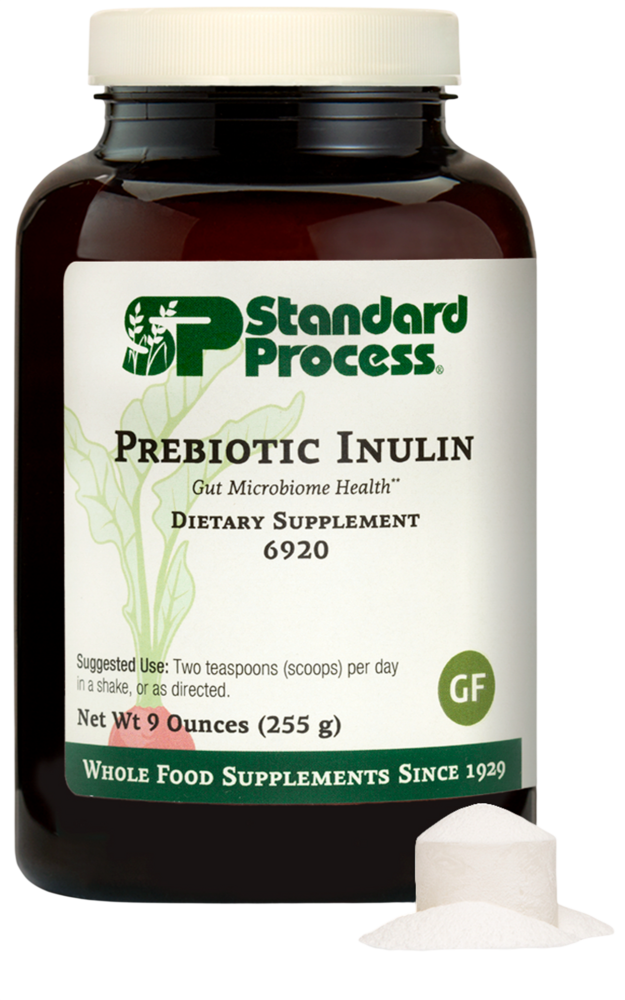
Introduction
Inulin is a naturally occurring polysaccharide classified as a fructan, meaning it is composed of fructose chains that the human digestive system cannot break down on its own. This indigestibility is precisely what makes it so therapeutically valuable — it travels intact to the colon where it acts as a selective substrate for beneficial bacteria, particularly Bifidobacterium and Lactobacillus species. In my clinical practice, I often describe inulin as the fertilizer for your gut garden: without the right food source, even the best probiotic strains struggle to colonize and thrive.
The primary commercial source of inulin is chicory root (Cichorium intybus), which contains up to 48% inulin by dry weight, making it a highly concentrated and cost-effective raw material. Chicory-derived inulin undergoes enzymatic or hot-water extraction to yield a purified fiber with a degree of polymerization (DP) that influences both its fermentation rate and its functional effects in the colon. Shorter-chain inulin (often called FOS or oligofructose) ferments more rapidly in the proximal colon, while longer-chain inulin ferments more slowly and distally, providing broader coverage across the gut ecosystem.
From a systems-medicine perspective, the gut microbiome is intimately connected to immune function, neurological health, metabolic regulation, and even musculoskeletal inflammation — all areas I manage daily in my integrative chiropractic practice. Supplementing with prebiotic inulin is one of the most evidence-backed strategies I know for shifting the gut microbiome toward a more anti-inflammatory, health-promoting composition. When patients ask me where to start with gut health, inulin is almost always part of that foundational conversation.
Key Benefits of Prebiotic Inulin
- Selective Microbiome Enrichment: Inulin acts as a preferential fuel source for Bifidobacterium and Lactobacillus species, measurably increasing their populations within as little as two weeks of consistent supplementation. This selective enrichment reduces the relative abundance of potentially harmful bacteria and supports a more balanced, resilient gut ecosystem.
- Improved Digestive Regularity: As inulin ferments in the colon, it increases stool bulk, softens stool consistency, and accelerates intestinal transit time, making it clinically useful for patients dealing with constipation or sluggish bowel motility. Clinical trials have consistently shown improved stool frequency and consistency scores in participants supplementing with 5–15 grams of inulin daily.
- Enhanced Calcium and Magnesium Absorption: One of the lesser-known but well-documented benefits of inulin is its ability to enhance the absorption of divalent minerals, particularly calcium and magnesium, through a process linked to short-chain fatty acid (SCFA) production and reduced colonic pH. This makes inulin a meaningful adjunct in my bone health protocols, especially for perimenopausal women and aging patients at risk of osteopenia.
- Glycemic and Metabolic Regulation: Inulin supplementation has been shown to reduce fasting blood glucose, improve insulin sensitivity, and attenuate postprandial glucose spikes, partly through modulation of gut hormones like GLP-1 and PYY. I frequently incorporate inulin into nutritional protocols for patients with prediabetes or metabolic syndrome as a low-risk, high-impact dietary intervention.
- Short-Chain Fatty Acid Production and Gut Barrier Integrity: Microbial fermentation of inulin produces SCFAs — primarily butyrate, propionate, and acetate — which are the primary energy source for colonocytes and critical regulators of gut barrier integrity. Adequate butyrate production helps prevent intestinal hyperpermeability, commonly referred to as 'leaky gut,' which is a root driver of systemic inflammation I frequently address in clinical practice.
Ingredients
Prebiotic Inulin is built on a focused whole food ingredient base:
- Chicory Root Inulin (Cichorium intybus): The primary active ingredient, chicory-derived inulin is a long-chain fructan (average DP 10–60) that resists digestion in the small intestine and undergoes selective fermentation in the large intestine, promoting Bifidobacterium and Lactobacillus growth while stimulating SCFA production and improving stool regularity.
- Oligofructose (FOS — Fructooligosaccharides): Often present as a naturally occurring component of inulin hydrolysis or added separately, short-chain FOS (DP 2–8) ferments rapidly in the proximal colon, providing a quick-acting prebiotic effect that complements the slower, more distal fermentation of long-chain inulin for full-spectrum colonic coverage.
- Inulin-type Fructans (Native vs. High-Performance): Some formulations distinguish between native inulin (minimally processed, broader DP range) and high-performance inulin (HP-inulin, enriched in longer chains), with HP variants offering a slower fermentation profile that may reduce GI side effects and deliver more distal colonic benefits including enhanced mineral absorption.
- Naturally Occurring Phenolic Compounds (from Chicory): Chicory root contains trace amounts of chlorogenic acids and other polyphenols that exhibit antioxidant and anti-inflammatory properties; while not always highlighted on labels, these compounds may contribute synergistically to the gut-modulating effects of whole-food-derived inulin extracts.
Get Prebiotic Inulin Today
Don't overpay on Amazon! Buy Prebiotic Inulin directly from Dr. Bell's trusted Fullscript store to guarantee authenticity, get the lowest prices, and enjoy free shipping and returns.
Potential Side Effects & Precautions
Prebiotic Inulin is generally well tolerated, but consider the following:
- The most commonly reported side effects of inulin supplementation are gastrointestinal in nature — including bloating, flatulence, abdominal cramping, and loose stools — and are dose-dependent, typically occurring when individuals start with too high a dose too quickly. I routinely advise patients to begin with 2–3 grams per day and gradually titrate up over two to three weeks to allow the gut microbiome time to adapt without discomfort.
- Individuals with irritable bowel syndrome (IBS), particularly those following a low-FODMAP diet, should exercise caution with inulin, as it is classified as a high-FODMAP ingredient and can trigger significant symptom flares in sensitive individuals. In these cases, I recommend working with a practitioner to determine whether a small, controlled dose is tolerable or whether an alternative prebiotic fiber is more appropriate.
- Inulin is generally considered safe for most adults, with no established toxic upper limit, though doses exceeding 20–30 grams per day are associated with a higher incidence of GI complaints in clinical research. People with known fructose malabsorption or chicory allergy should avoid inulin-containing supplements entirely, and those with inflammatory bowel disease should consult their gastroenterologist before initiating prebiotic therapy.
- Drug or nutrient interactions with inulin are minimal, though its capacity to improve glycemic control means patients on diabetes medications should monitor blood glucose more closely, as combined effects could theoretically potentiate hypoglycemia. Inulin is not contraindicated in pregnancy, but as with all supplements during pregnancy, consultation with a qualified healthcare provider is recommended before use.
The Science Behind It
Peer-reviewed research on key ingredients and mechanisms relevant to Prebiotic Inulin:
Inulin-type fructans modulation of the gut microbiota and its role in the prevention of intestinal disorders
This review examined how inulin-type fructans selectively stimulate Bifidobacterium growth and SCFA production in the colon, demonstrating their bifidogenic and barrier-protective effects. The findings support the clinical use of inulin as a targeted prebiotic intervention for improving gut microbiome composition and reducing intestinal permeability.
Prebiotic inulin-type fructans and galacto-oligosaccharides: definition, specificity, function, and application in gastrointestinal disorders
This comprehensive review confirmed inulin's selective fermentation profile and its measurable effects on stool consistency, transit time, and beneficial bacterial populations in both healthy adults and those with functional gut disorders. The authors highlighted dose-dependent GI tolerability considerations and reinforced the importance of gradual dose escalation in clinical protocols.
Effect of inulin on calcium absorption and bone mineral density in adolescent girls
This randomized controlled trial demonstrated that adolescent girls supplementing with 8 grams of inulin daily showed significantly greater calcium absorption compared to controls, with measurable positive effects on bone mineral density over the study period. These findings provide strong mechanistic support for inulin as a bone health adjunct via enhanced mineral bioavailability.
Chicory inulin does not affect serum lipids in vegans and omnivores: a randomised controlled crossover trial
While this trial found neutral effects on serum lipids specifically, it confirmed inulin's well-established bifidogenic effect and GI tolerability at a 10-gram daily dose across different dietary backgrounds. This study reinforces the consistency of inulin's microbiome-modulating effects regardless of baseline diet, supporting its broad clinical applicability.
Dr. Bell's Verdict
In my clinical assessment, prebiotic inulin is one of the most scientifically supported, mechanistically sound, and broadly applicable gut health supplements available today. Its dual action as both a microbiome modulator and a functional fiber places it in a category of supplements that addresses root-cause physiology rather than simply managing symptoms — and the downstream effects on mineral absorption, metabolic health, and gut barrier integrity make it genuinely multisystemic in its impact.
I give prebiotic inulin a strong clinical recommendation for most adults seeking to support digestive health, improve their microbiome composition, or complement a probiotic protocol with a proven prebiotic foundation. The primary caveats are for IBS and FODMAP-sensitive patients, who should approach inulin cautiously and under guidance; for everyone else, a well-dosed, chicory-derived inulin supplement represents excellent value and a foundational investment in long-term gastrointestinal and systemic wellness.
Frequently Asked Questions
What is the difference between inulin and probiotics?
Probiotics are live beneficial bacteria you introduce into the gut, while inulin is a prebiotic fiber that feeds and sustains the beneficial bacteria already living there. Think of probiotics as planting seeds and inulin as the fertilizer that helps them take root and flourish — ideally, both work together for optimal microbiome support.
How much inulin should I take daily?
Clinical research supports a therapeutic dose range of 5–15 grams per day for most gut health and microbiome benefits, with bone mineral absorption studies often using 8–10 grams daily. I recommend starting at 2–3 grams per day and increasing by 2 grams every few days to minimize the bloating and gas that can occur when the gut microbiome is first adapting.
Can I get enough inulin from food alone?
Inulin occurs naturally in foods like garlic, onions, leeks, asparagus, Jerusalem artichokes, and bananas, but the average Western diet provides only 2–8 grams per day — well below the therapeutic range studied in clinical trials. Supplemental inulin allows for precise, consistent dosing that is difficult to achieve through diet alone, particularly for patients with specific therapeutic goals.
Is prebiotic inulin safe for children?
Inulin is generally recognized as safe for children and is even found naturally in breast milk as part of human milk oligosaccharides (HMOs), which have structural similarities to inulin-type fructans. However, appropriate pediatric dosing differs from adult dosing, and I recommend consulting a pediatric healthcare provider before introducing supplemental inulin for children under 12.
Where to Buy Prebiotic Inulin
Don't overpay on Amazon! Buy Prebiotic Inulin directly from Dr. Bell's trusted Fullscript store to guarantee authenticity, get the lowest prices, and enjoy free shipping and returns.