ProSynbiotic Review
Introduction
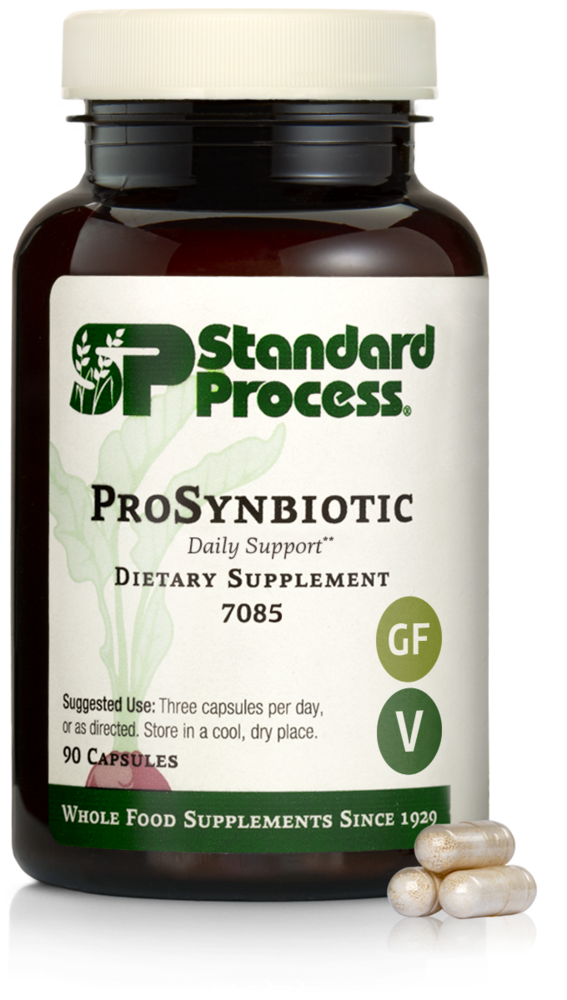
As a chiropractic physician with a deep focus on functional nutrition, I've spent years evaluating the gut-immune axis and its downstream effects on musculoskeletal health, inflammation, and systemic wellness. ProSynbiotic, formulated by Standard Process, is a synbiotic product — meaning it combines both probiotics (live beneficial organisms) and prebiotics (the fibers that nourish them) in a single, convenient formula. This dual-action approach distinguishes it from standalone probiotic supplements that introduce bacteria without providing the substrate necessary for their colonization and sustained activity.
The formula delivers four clinically researched probiotic strains alongside two prebiotic fibers: inulin and beta-glucan. Each strain has been selected for its documented ability to survive gastric acid transit, adhere to intestinal epithelium, and modulate the local and systemic immune environment. In my clinical experience, this kind of precision formulation is what separates a therapeutic-grade synbiotic from the generic, high-CFU products crowding pharmacy shelves.
What I find particularly compelling about ProSynbiotic is the synergistic relationship between its probiotic and prebiotic components. Inulin and beta-glucan serve as selective fermentable substrates, preferentially feeding Bifidobacterium and Lactobacillus species while starving opportunistic pathogens. This creates a clinically meaningful shift in microbial ecology that can persist beyond the supplementation period, making it a sound long-term investment in gut and immune health.
Key Benefits of ProSynbiotic
- Microbiome Restoration and Diversity: ProSynbiotic introduces four distinct probiotic strains that work synergistically to repopulate the gut with commensal organisms depleted by antibiotics, poor diet, or chronic stress. This multi-strain approach is more effective than single-strain formulas at restoring microbial diversity, a key marker of gut resilience.
- Improved Digestive Comfort: The Lactobacillus and Bifidobacterium strains in this formula produce lactic acid and short-chain fatty acids (SCFAs) that lower luminal pH, inhibit pathogenic overgrowth, and support healthy intestinal motility. Patients with bloating, irregular bowel habits, or post-antibiotic dysbiosis often report meaningful relief within two to four weeks of consistent use.
- Immune System Modulation: Approximately 70% of immune tissue resides in the gut-associated lymphoid tissue (GALT), and the strains in ProSynbiotic have demonstrated the ability to upregulate secretory IgA and modulate Th1/Th2 immune balance. Beta-glucan further amplifies this effect by activating macrophages and natural killer cells through Dectin-1 receptor binding.
- Prebiotic Fiber Support for Colonocyte Health: Inulin undergoes fermentation by resident Bifidobacterium species to yield butyrate, the primary energy source for colonocytes and a potent anti-inflammatory signaling molecule. Adequate butyrate production is associated with reduced intestinal permeability, making this formula particularly relevant for patients with leaky gut or systemic inflammatory conditions.
- Systemic Inflammation Reduction: Emerging research confirms that a diverse, SCFA-producing microbiome suppresses pro-inflammatory cytokines including IL-6, TNF-alpha, and IL-1β through epigenetic and signaling mechanisms. For my patients dealing with joint inflammation or chronic pain, supporting gut ecology with a synbiotic like ProSynbiotic is a foundational step I rarely skip.
Ingredients
ProSynbiotic is built on a focused whole food ingredient base:
- Lactobacillus acidophilus (NCFM strain): One of the most extensively studied probiotic strains in the literature, NCFM demonstrates strong adhesion to human intestinal epithelium and has been shown to reduce IBS symptoms, support lactose digestion, and modulate mucosal immune responses. It produces hydrogen peroxide and bacteriocins that competitively inhibit pathogenic organisms including E. coli and Candida species.
- Bifidobacterium lactis (Bi-07 strain): Bi-07 is a well-characterized strain with robust evidence for reducing upper respiratory infection frequency, improving stool consistency, and enhancing innate immune cell activity. It is particularly resilient through gastric transit and demonstrates high colonization rates in both healthy adults and those with compromised gut flora.
- Inulin (from chicory root): Inulin is a long-chain fructooligosaccharide that resists digestion in the small intestine and arrives intact in the colon, where it serves as a selective prebiotic substrate for Bifidobacterium and Lactobacillus species. Its fermentation yields butyrate and other SCFAs that nourish colonocytes, strengthen the mucosal barrier, and suppress inflammatory signaling pathways.
- Beta-Glucan (from oats): Oat-derived beta-glucan is a soluble fiber with dual functionality: it acts as a prebiotic to shift the microbiome toward butyrate-producing bacteria, and as an immunomodulator by engaging pattern recognition receptors (Dectin-1, TLR-2) on innate immune cells. Clinical studies support its role in reducing LDL cholesterol, improving glycemic response, and enhancing mucosal immunity.
Get ProSynbiotic Today
Don't overpay on Amazon! Buy ProSynbiotic directly from Dr. Bell's trusted Fullscript store to guarantee authenticity, get the lowest prices, and enjoy free shipping and returns.
Potential Side Effects & Precautions
ProSynbiotic is generally well tolerated, but consider the following:
- In my clinical practice, ProSynbiotic is generally very well tolerated, with a favorable safety profile consistent with the broader probiotic literature. The most commonly reported initial reactions are transient bloating, increased flatulence, or a mild change in stool frequency, typically occurring within the first three to seven days as the microbiome undergoes compositional shifts.
- These early digestive symptoms are usually self-limiting and can be minimized by starting at half the recommended dose for the first week before titrating up to the full therapeutic amount. I routinely advise my patients to take the supplement with food to buffer gastric acidity and support probiotic survival through the upper GI tract.
- Individuals with small intestinal bacterial overgrowth (SIBO) should exercise caution with prebiotic-containing synbiotics, as the fermentable fibers (inulin in particular) may temporarily worsen upper abdominal bloating and distension. In SIBO cases, I often recommend a targeted antimicrobial or elemental diet protocol first before introducing prebiotic fibers.
- Immunocompromised individuals, including those on high-dose immunosuppressants or with active systemic infections, should consult their managing physician before initiating any probiotic supplement. While translocation events are exceedingly rare with well-characterized commercial strains, the theoretical risk warrants professional oversight in this patient population.
The Science Behind It
Peer-reviewed research on key ingredients and mechanisms relevant to ProSynbiotic:
Lactobacillus acidophilus NCFM affects colonic mucosal opioid receptor expression in patients with functional abdominal pain: a randomised clinical study
This randomized controlled trial demonstrated that L. acidophilus NCFM supplementation upregulated mu-opioid and cannabinoid receptor expression in colonic mucosa, providing a mechanistic basis for its analgesic and comfort-improving effects in patients with functional abdominal pain. The findings directly support the use of this specific strain for IBS and visceral hypersensitivity presentations.
Effect of Lactobacillus acidophilus NCFM on lactose intolerance: a randomized, double-blind, placebo-controlled crossover trial
This crossover trial found that daily supplementation with L. acidophilus NCFM significantly reduced symptoms of lactose intolerance, including bloating and diarrhea, compared to placebo. The results highlight the strain's capacity to enhance carbohydrate fermentation and reduce malabsorption-related GI distress.
Bifidobacterium lactis Bi-07 versus placebo in the treatment of childhood allergic rhinitis: a 12-week randomized, double-blind trial
This double-blind, placebo-controlled trial found that Bifidobacterium lactis Bi-07 supplementation improved immune parameters and reduced allergy symptom severity in children over a 12-week period. The study supports the strain's immunomodulatory capacity and its relevance for conditions driven by Th2 immune skewing.
Prebiotic inulin-type fructans and galacto-oligosaccharides: definition, specificity, function, and application in gastrointestinal disorders
This comprehensive review summarized the mechanistic and clinical evidence for inulin-type fructans as selective prebiotics that stimulate Bifidobacterium proliferation and enhance SCFA production, with documented benefits for IBS, IBD, and intestinal barrier integrity. It provides robust scientific grounding for the inclusion of inulin as a therapeutic prebiotic in synbiotic formulations.
Dr. Bell's Verdict
ProSynbiotic earns a strong recommendation from me as a clinically sound, well-researched synbiotic that addresses the gut microbiome from two angles simultaneously — seeding it with verified beneficial strains and feeding those strains with selective prebiotic fibers. The inclusion of the NCFM and Bi-07 strains, both supported by substantial human clinical data, elevates this product above the majority of competitors that rely on uncharacterized or underdosed strains.
For patients presenting with post-antibiotic dysbiosis, irritable bowel symptoms, recurrent immune challenges, or systemic inflammatory conditions, ProSynbiotic represents a logical, evidence-informed foundational intervention. I have integrated it into numerous protocols in my practice and consistently observe meaningful improvements in patient-reported digestive comfort, immune resilience, and overall vitality within four to eight weeks of use.
Frequently Asked Questions
How long does it take to notice results with ProSynbiotic?
Most patients begin noticing improvements in digestive comfort, stool regularity, and energy within two to four weeks of consistent daily use. Immune-related benefits, such as reduced frequency of colds or respiratory infections, typically become apparent after six to eight weeks, as microbiome compositional shifts and immune modulation take time to manifest clinically.
Should I take ProSynbiotic with or without food?
I recommend taking ProSynbiotic with a meal or within 30 minutes of eating. Food buffers gastric acid and raises gastric pH transiently, which significantly improves probiotic survival rates through the stomach. Taking it on a completely empty stomach exposes the organisms to peak acidity and can reduce the number of viable cells reaching the colon.
Can I take ProSynbiotic while on antibiotics?
Yes, and I strongly encourage it. Take ProSynbiotic at least two hours before or after your antibiotic dose to avoid direct inactivation of the probiotic organisms. Continuing use for a minimum of four to six weeks after completing the antibiotic course is equally important, as this is the critical window for microbiome restoration and prevention of opportunistic overgrowth.
Is ProSynbiotic suitable for children or elderly patients?
The strains in ProSynbiotic have established safety records across age groups, and both Lactobacillus acidophilus and Bifidobacterium lactis are among the most studied organisms in pediatric and geriatric populations. That said, dosing for children should be adjusted — I typically recommend half the adult dose for children under 12 — and elderly patients with significant comorbidities should consult their physician before starting any new supplement regimen.
Where to Buy ProSynbiotic
Don't overpay on Amazon! Buy ProSynbiotic directly from Dr. Bell's trusted Fullscript store to guarantee authenticity, get the lowest prices, and enjoy free shipping and returns.