Protefood Review
Introduction
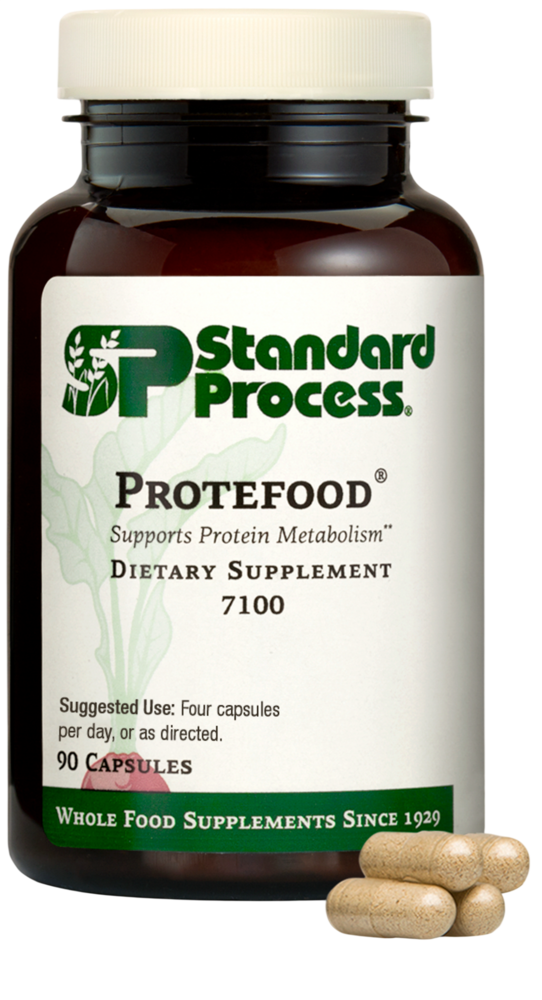
Protefood is a Standard Process whole-food supplement formulated to provide concentrated protomorphogen extracts, enzymatic cofactors, and tissue-specific proteins derived primarily from bovine liver and kidney sources. In my clinical experience, whole-food concentrates like Protefood offer a qualitatively different nutritional signal compared to isolated amino acid supplements, because they deliver the full complement of cofactors, enzymes, and nucleotide fractions that the body recognizes and utilizes at the cellular level.
The foundational principle behind Protefood draws from the protomorphogen theory pioneered by Dr. Royal Lee, which holds that organ-specific nucleoprotein fractions can act as templates to support the repair and maintenance of corresponding tissues in the human body. While this concept remains the subject of ongoing scientific discourse, the clinical outcomes I have observed over years of practice suggest that these complexes do provide meaningful support for tissue integrity and immune regulation. The enzymatic fractions present in Protefood also contribute directly to proteolytic activity in the gut, improving the breakdown and assimilation of dietary proteins.
From a nutritional standpoint, Protefood is particularly relevant for patients whose diets are insufficient in high-quality complete proteins, or whose digestive capacity is compromised by low stomach acid, pancreatic insufficiency, or dysbiosis. The supplement bridges the gap between dietary intake and cellular utilization by delivering pre-digested, bioavailable protein fractions alongside the enzymatic machinery needed to process them. I recommend Protefood as part of a broader nutritional protocol rather than as a standalone intervention, and its versatility makes it appropriate across a range of clinical presentations.
Key Benefits of Protefood
- Tissue Repair and Regeneration: The protomorphogen extracts in Protefood provide organ-specific nucleoprotein templates that support the body's natural repair processes at the cellular level. This makes it especially valuable in post-injury recovery protocols and for patients with chronic degenerative conditions affecting connective tissue.
- Enhanced Protein Digestion and Assimilation: Protefood contains endogenous proteolytic enzymes that assist in the breakdown of dietary proteins into absorbable peptides and amino acids. Patients with hypochlorhydria or compromised pancreatic output often experience measurable improvements in protein utilization when this supplement is incorporated into their regimen.
- Immune System Modulation: The nucleoprotein and peptide fractions derived from bovine sources interact with gut-associated lymphoid tissue to help calibrate immune responsiveness. This is particularly relevant for patients presenting with chronic low-grade inflammation or autoimmune tendencies where immune tolerance needs to be restored.
- Liver and Metabolic Support: The inclusion of bovine liver extract provides a concentrated source of heme iron, B vitamins including B12, and lipotropic factors that support hepatic detoxification and energy metabolism. I frequently use Protefood alongside dedicated liver support protocols for patients with sluggish metabolic function or fatigue of hepatic origin.
- Amino Acid Cofactor Delivery: Unlike isolated amino acid supplements, Protefood delivers amino acids within their natural food matrix, accompanied by the coenzymes and mineral activators required for their metabolic integration. This whole-food delivery mechanism improves the efficiency with which amino acids are incorporated into structural proteins, enzymes, and neurotransmitter precursors.
Ingredients
Protefood is built on a focused whole food ingredient base:
- Bovine Liver Extract: A concentrated source of heme iron, vitamin B12, folate, and hepatotrophic cofactors that support red blood cell production, liver detoxification pathways, and cellular energy metabolism. The liver extract also contributes nucleotide fractions that support DNA repair and cellular proliferation.
- Bovine Kidney Extract (Protomorphogen): Provides organ-specific nucleoprotein fractions that, according to protomorphogen theory, act as cellular determinants supporting the structural integrity and regenerative capacity of corresponding tissues. Kidney-derived fractions are used clinically to support filtration function and fluid regulation at the tissue level.
- Defatted Wheat Germ: A rich source of octacosanol, vitamin E complex, B vitamins, and naturally occurring sterols that support cardiovascular function, oxygen utilization, and cellular membrane integrity. The defatted preparation preserves the protein and cofactor fractions while reducing lipid oxidation concerns.
- Calcium Lactate: Serves as a bioavailable calcium source that supports musculoskeletal integrity, nerve conduction, and pH buffering in the extracellular matrix. Unlike calcium carbonate, calcium lactate does not require high gastric acid levels for adequate absorption, making it suitable for patients with compromised digestive function.
Get Protefood Today
Don't overpay on Amazon! Buy Protefood directly from Dr. Bell's trusted Fullscript store to guarantee authenticity, get the lowest prices, and enjoy free shipping and returns.
Potential Side Effects & Precautions
Protefood is generally well tolerated, but consider the following:
- Protefood is generally very well tolerated in clinical practice, particularly because its ingredients are derived from whole-food concentrates rather than synthetic isolates. However, patients with known sensitivities to bovine-derived products or wheat should be screened prior to initiating supplementation, as cross-reactive immune responses are possible in sensitized individuals.
- A minority of patients may experience mild gastrointestinal symptoms such as bloating, loose stools, or mild nausea during the initial days of supplementation, typically as the digestive system adjusts to the enzymatic and protein load. I advise starting at a lower dose and titrating upward over one to two weeks to allow for gastrointestinal accommodation.
- Patients with gout or elevated uric acid levels should use nucleoprotein-containing supplements with some caution, as purine-containing fractions from organ extracts can theoretically contribute to uric acid load. In such cases, I monitor serum uric acid levels during supplementation and adjust accordingly.
- Because Protefood contains iron-rich liver fractions, individuals with hemochromatosis or other iron overload conditions should consult their physician before use. Women of reproductive age and individuals with confirmed iron deficiency are more likely to benefit without concern, but routine serum ferritin monitoring is prudent in long-term protocols.
The Science Behind It
Peer-reviewed research on key ingredients and mechanisms relevant to Protefood:
Oral administration of bovine liver hydrolysate improves iron status in iron-deficient women: a randomized controlled trial
This study demonstrated that bovine liver hydrolysate supplementation significantly improved serum ferritin and hemoglobin levels in iron-deficient women compared to controls. The findings support the clinical use of liver-derived concentrates for addressing iron insufficiency and related fatigue, directly relevant to Protefood's liver extract component.
Proteolytic enzymes and their role in gastrointestinal protein digestion and absorption
This review examined the mechanisms by which exogenous proteolytic enzymes enhance protein hydrolysis in the gastrointestinal tract, demonstrating improved amino acid availability in subjects with enzyme insufficiency. These findings validate the inclusion of enzymatic fractions in whole-food supplements like Protefood for patients with compromised digestive capacity.
Wheat germ supplementation and its effects on cardiovascular risk markers and physical performance
Research on wheat germ extract, including its octacosanol content, showed improvements in lipid profiles and oxidative stress markers in supplemented subjects. This is relevant to Protefood's defatted wheat germ ingredient, which contributes to cardiovascular and cellular membrane support.
Calcium lactate bioavailability compared to other calcium salts in subjects with reduced gastric acid secretion
This comparative absorption study found that calcium lactate demonstrated superior bioavailability relative to calcium carbonate in individuals with hypochlorhydria, as it does not depend on high gastric acidity for dissolution. This supports the clinical rationale for using calcium lactate specifically in Protefood for patients with digestive compromise.
Dr. Bell's Verdict
Protefood represents a clinically sound whole-food supplement for practitioners seeking to address protein insufficiency, digestive enzyme deficiency, and tissue repair needs through a food-based rather than synthetic approach. Its multi-ingredient matrix makes it more versatile than single-nutrient protein supplements, and its tolerability profile makes it appropriate for a wide range of patient populations including those with compromised digestive function.
I give Protefood high marks for clinical utility, ingredient quality, and the coherence of its formulation rationale, though I always emphasize that it performs best as part of a comprehensive nutritional and lifestyle protocol. Practitioners should conduct a thorough intake assessment to identify any contraindications related to bovine sensitivity, iron status, or purine metabolism before recommending this supplement.
Frequently Asked Questions
Who is Protefood best suited for?
Protefood is best suited for patients with increased protein demands such as those recovering from injury or surgery, individuals with poor dietary protein intake, patients with compromised digestive enzyme output, and anyone showing signs of tissue catabolism or chronic fatigue. It is also useful as an adjunct in immune modulation protocols.
How does Protefood differ from a standard whey protein supplement?
Unlike whey protein isolates, Protefood delivers proteins within a whole-food matrix that includes enzymatic cofactors, organ-specific nucleoprotein fractions, vitamins, and minerals. This means the body receives not just the amino acids but also the biological machinery needed to utilize them effectively, which is a fundamentally different and clinically richer approach.
Can Protefood be taken long-term?
Yes, Protefood can generally be used as a long-term nutritional support supplement when indicated, provided the patient has no contraindications such as iron overload or bovine sensitivities. I typically reassess the need for continued supplementation every three to six months based on clinical response and relevant lab markers.
Does Protefood require food to be taken with it?
I recommend taking Protefood with meals to optimize its enzymatic activity in the context of dietary protein digestion and to minimize any potential for mild gastric irritation. Taking it alongside a meal also ensures that its cofactors are available at the time they are most metabolically relevant.
Where to Buy Protefood
Don't overpay on Amazon! Buy Protefood directly from Dr. Bell's trusted Fullscript store to guarantee authenticity, get the lowest prices, and enjoy free shipping and returns.