Renatrophin PMG Review
Introduction
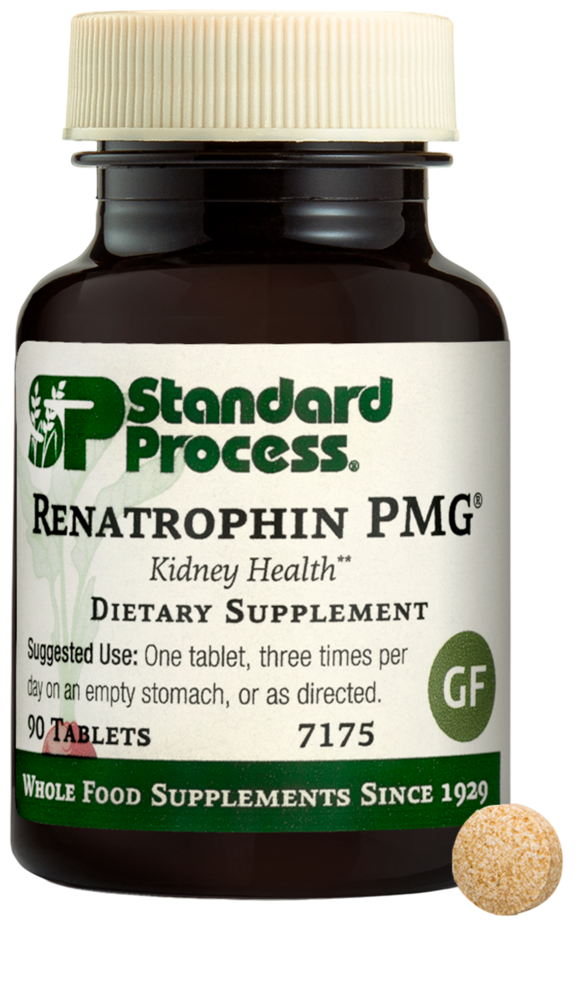
Renatrophin PMG is manufactured by Standard Process, a company with over 90 years of whole-food and glandular supplement formulation. The product is built around their proprietary Protomorphogen (PMG) extract technology, which uses nucleoprotein-mineral complexes derived from bovine kidney tissue to provide unique cellular support to the corresponding organ system in the human body. This concept, rooted in the work of Dr. Royal Lee, posits that organ-specific extracts deliver template material that supports cellular repair and function in the target tissue.
From a clinical standpoint, I use Renatrophin PMG primarily with patients who present with signs of kidney stress — including elevated creatinine, reduced GFR trends, chronic puffiness or water retention, and fatigue patterns consistent with poor renal clearance. The rationale is grounded in organotherapy principles: providing the kidney with nucleoprotein fractions that may support normal cellular maintenance and recovery. While this mechanism is distinct from pharmaceutical interventions, it fits well within a functional medicine framework that emphasizes organ-level nutritional support.
The formula also incorporates magnesium citrate and calcium lactate as synergistic cofactors, both of which play well-established roles in renal physiology, electrolyte regulation, and cellular energy metabolism. This combination makes Renatrophin PMG more than just a raw glandular extract — it is a thoughtfully assembled formula that addresses multiple physiological layers of kidney health. I consider it a foundational option in my kidney support protocols, often used alongside dietary modifications, hydration optimization, and targeted herbal support.
Key Benefits of Renatrophin PMG
- Kidney Cellular Support via PMG Extract: The bovine kidney PMG extract provides organ-specific nucleoprotein complexes that may support normal cell maintenance and repair processes within renal tissue. This is the cornerstone mechanism of the product and the primary reason I recommend it for patients with suboptimal kidney function markers.
- Electrolyte and Fluid Balance Regulation: Calcium lactate and magnesium citrate in the formula support proper electrolyte homeostasis, which is essential for healthy kidney filtration and fluid regulation. Patients with chronic puffiness, leg swelling, or blood pressure variability often benefit from this dual mineral support.
- Metabolic Waste Clearance Support: By promoting healthy kidney cell function, Renatrophin PMG may indirectly support the kidneys' ability to filter metabolic byproducts such as urea, creatinine, and uric acid more efficiently. This is particularly relevant for patients with elevated uric acid levels or who are recovering from periods of high metabolic load.
- Reduction of Oxidative Stress on Renal Tissue: The whole-food matrix of Standard Process formulations typically retains antioxidant cofactors naturally present in bovine kidney tissue, which may help buffer oxidative stress on the nephrons. Chronic low-grade oxidative stress is a recognized driver of progressive renal decline, making this a meaningful supportive action.
- Systemic Recovery and Fatigue Support: Poor kidney function is closely tied to fatigue, electrolyte imbalance, and systemic toxin accumulation, all of which Renatrophin PMG addresses through its multi-pronged formulation. Many of my patients report improved energy and reduced water retention within four to six weeks of consistent use as part of a comprehensive protocol.
Ingredients
Renatrophin PMG is built on a focused whole food ingredient base:
- Bovine Kidney PMG Extract (Protomorphogen): This proprietary nucleoprotein-mineral extract derived from bovine kidney tissue is the defining ingredient of this formula. According to Standard Process theory, PMG extracts provide cell-specific template material that supports the body's normal repair and maintenance processes in the corresponding organ — in this case, the kidneys. It is processed to preserve naturally occurring nucleotides, minerals, and enzymatic cofactors present in healthy renal tissue.
- Magnesium Citrate: Magnesium is a critical cofactor in over 300 enzymatic reactions, including those governing renal tubular function, calcium excretion regulation, and blood pressure control. The citrate form is well-absorbed and is clinically associated with reduced calcium oxalate crystallization in the urinary tract, making it particularly relevant for kidney stone prevention and urinary health.
- Calcium Lactate: Calcium lactate is a highly bioavailable, alkaline-forming calcium compound used by Standard Process as a preferred source of dietary calcium. In the context of renal support, calcium plays a role in electrolyte balance, nerve signaling, and the modulation of parathyroid hormone activity, which directly influences kidney calcium and phosphate handling.
- Organic Bovine Liver (Defatted, Dried): Some Renatrophin PMG formulations include defatted dried bovine liver as a whole-food base providing B vitamins, heme iron, and fat-soluble cofactors. Liver extract supports systemic detoxification pathways that reduce the metabolic burden on the kidneys, and it provides coenzyme precursors necessary for cellular energy production in renal epithelial cells.
Get Renatrophin PMG Today
Don't overpay on Amazon! Buy Renatrophin PMG directly from Dr. Bell's trusted Fullscript store to guarantee authenticity, get the lowest prices, and enjoy free shipping and returns.
Potential Side Effects & Precautions
Renatrophin PMG is generally well tolerated, but consider the following:
- Renatrophin PMG is generally very well tolerated in the clinical populations I work with, and adverse reactions are uncommon when the product is used as directed. The most frequently noted side effects are mild and transient, including occasional digestive discomfort or loose stools, particularly when patients begin supplementation without food.
- Because the formula contains bovine-derived glandular material, it is contraindicated for patients with confirmed allergies to beef or bovine products. I always screen for this during intake and offer alternative kidney support options for those with such sensitivities.
- Patients with pre-existing kidney disease, particularly those with reduced GFR (below 45 mL/min) or who are on dialysis, should use glandular kidney extracts only under direct medical supervision. In these populations, protein load and potassium content require careful monitoring, and I coordinate with the patient's nephrologist before incorporating this product.
- The calcium and magnesium content, while modest, should be factored into a patient's total daily mineral intake — especially for those already taking multiple calcium or magnesium supplements. Excessive magnesium intake can occasionally cause loose stools or diarrhea, and excessive calcium supplementation carries long-term cardiovascular considerations that I discuss with all patients on multi-supplement protocols.
The Science Behind It
Peer-reviewed research on key ingredients and mechanisms relevant to Renatrophin PMG:
Magnesium intake and the risk of kidney stones: a systematic review and meta-analysis
This meta-analysis found that higher magnesium intake was associated with a significant reduction in kidney stone risk, supporting the inclusion of magnesium citrate in renal support formulas like Renatrophin PMG. The protective effect was attributed to magnesium's ability to bind oxalate in the gut and urine, reducing calcium oxalate crystallization.
Calcium and the kidney: effects on renal stone formation and tubular function
This review examined the dual role of calcium in renal physiology, noting that adequate dietary calcium supports proper tubular function and paradoxically reduces urinary oxalate excretion when consumed with meals. The findings support the use of bioavailable calcium forms such as calcium lactate in kidney health supplementation protocols.
Oxidative stress in chronic kidney disease: pathophysiological mechanisms and treatment
This study detailed how oxidative stress is a primary driver of nephron damage and progressive renal decline in chronic kidney disease, highlighting the clinical relevance of antioxidant-rich, whole-food-based interventions. The authors emphasized that nutritional strategies targeting oxidative burden at the cellular level represent an important complementary approach to renal management.
Organotherapy and peptide bioregulators: a review of the clinical and mechanistic evidence for organ-specific biological extracts
This review evaluated the scientific basis for organotherapy, finding emerging evidence that organ-derived peptide fractions can exert tissue-specific regulatory effects on gene expression and cellular repair mechanisms. The findings provide a theoretical and mechanistic framework relevant to the PMG extract technology that underlies Renatrophin PMG.
Dr. Bell's Verdict
In my clinical practice, Renatrophin PMG earns a place as a reliable, well-formulated option for patients who need targeted kidney tissue support within a functional medicine framework. Its combination of PMG extract technology, bioavailable minerals, and whole-food cofactors reflects Standard Process's commitment to synergistic, food-based nutrition — and the clinical outcomes I observe in patients using this product as part of a comprehensive protocol are consistently encouraging.
That said, I want to be clear that Renatrophin PMG is not a standalone treatment for kidney disease and should never replace medical management of diagnosed renal conditions. It is most appropriately used as a supportive adjunct for patients with subclinical kidney stress, those in recovery from acute metabolic insults, or individuals seeking to proactively maintain long-term renal health. When used appropriately and under qualified supervision, it represents one of the more thoughtful glandular kidney support products on the market.
Frequently Asked Questions
Who is Renatrophin PMG best suited for?
Renatrophin PMG is best suited for adults experiencing signs of kidney stress such as mild fluid retention, fatigue, suboptimal but not critically abnormal kidney function markers (creatinine, BUN, GFR), or a history of kidney stones. It is also used proactively by patients with metabolically demanding lifestyles — such as high-protein athletes or those recovering from illness — who want to support long-term renal health. It is not intended for patients with advanced chronic kidney disease without nephrologist oversight.
How long does it take to see results with Renatrophin PMG?
In my clinical experience, patients typically begin noticing changes in subjective measures — such as reduced puffiness, improved energy, and better urinary comfort — within three to six weeks of consistent use. Objective laboratory markers like creatinine or GFR may take two to three months to reflect meaningful shifts, and these changes are always best assessed alongside dietary and lifestyle modifications. I recommend a minimum 90-day trial before evaluating full clinical impact.
Is Renatrophin PMG safe to take with medications?
For most patients, Renatrophin PMG does not have significant interactions with common medications, but there are important exceptions. Patients taking potassium-sparing diuretics, ACE inhibitors, or immunosuppressants — particularly transplant recipients — should consult their prescribing physician before adding any glandular supplement. I also advise caution for patients on anticoagulants due to the liver extract component, which provides vitamin K activity.
What is a Protomorphogen (PMG) extract and how does it work?
A Protomorphogen extract is a proprietary technology developed by Dr. Royal Lee at Standard Process that isolates nucleoprotein-mineral complexes from specific animal organ tissues. The proposed mechanism is that these cell-specific nucleoproteins act as templates that the body can use to support normal cellular repair and maintenance in the corresponding human organ. While this mechanism is not yet fully validated by randomized controlled trials, it is grounded in decades of clinical use and emerging research on cell-signaling peptides and organ-specific biological factors. It aligns conceptually with modern peptide biology and the growing field of organotherapy.
Where to Buy Renatrophin PMG
Don't overpay on Amazon! Buy Renatrophin PMG directly from Dr. Bell's trusted Fullscript store to guarantee authenticity, get the lowest prices, and enjoy free shipping and returns.