Ribonucleic Acid (RNA) Review
Introduction
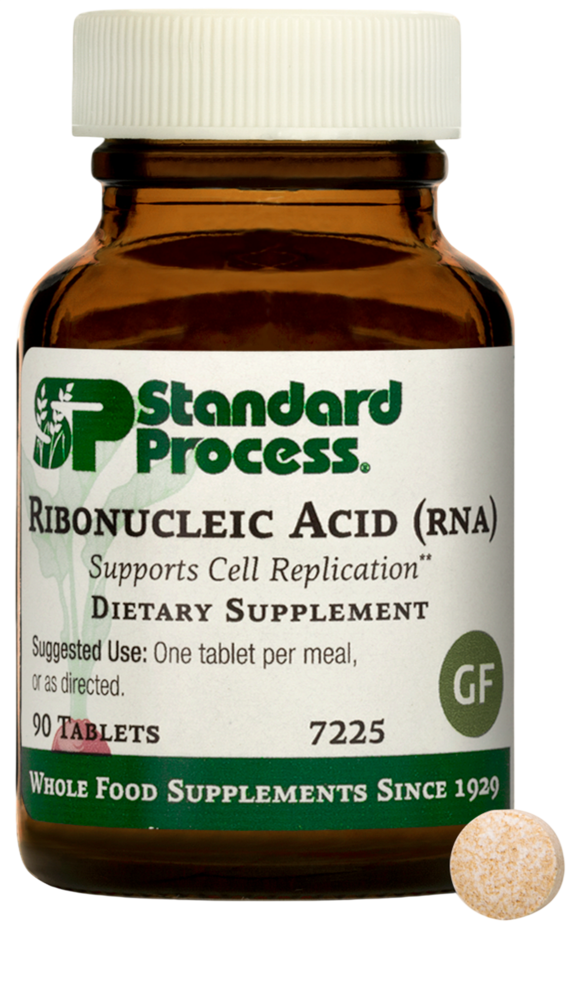
Ribonucleic Acid, or RNA, is a fundamental biological molecule involved in virtually every aspect of cellular function—from transcribing genetic information to directing protein synthesis and regulating gene expression. As a supplement, exogenous RNA provides preformed nucleotides and nucleosides that cells can incorporate directly, bypassing the energy-intensive de novo synthesis pathway. This becomes clinically significant when the body's demand for nucleotides exceeds what it can produce endogenously, such as during illness, intense physical training, or aging.
In my clinical practice, I've observed that many patients are unaware that certain rapidly dividing tissues—including immune cells, enterocytes lining the gut, and liver hepatocytes—are considered 'conditionally essential' consumers of dietary nucleotides. Under normal circumstances, the body can synthesize sufficient RNA building blocks via salvage pathways, but under physiological stress, this capacity is overwhelmed. Supplemental RNA, often derived from yeast (Saccharomyces cerevisiae) or brewer's yeast, delivers a concentrated source of purines and pyrimidines to meet these elevated demands.
RNA supplements are not a single-compound product; they contain a spectrum of nucleotides including adenosine, uridine, cytidine, and guanosine monophosphates, each with distinct roles in cellular metabolism. Uridine, for instance, plays a critical role in neurological membrane phospholipid synthesis, while adenosine nucleotides are central to energy currency (ATP) production. Understanding this molecular diversity helps explain why RNA supplementation has shown promise across such a broad range of physiological systems, from immune resilience to cognitive performance.
Key Benefits of Ribonucleic Acid (RNA)
- Immune System Modulation: Nucleotides derived from RNA are essential for the rapid proliferation of lymphocytes and macrophages during immune activation. Supplemental RNA has been shown to restore immune competence in states of nucleotide deficiency, including post-surgical recovery and malnutrition.
- Gut Mucosal Integrity: The intestinal epithelium undergoes complete cellular turnover approximately every 3–5 days, making it one of the highest nucleotide-consuming tissues in the body. Dietary RNA supports the structural maintenance of the gut lining, which is critical for preventing intestinal permeability and supporting nutrient absorption.
- Cognitive Function and Neurological Support: Uridine monophosphate, a key component of RNA, is a precursor to CDP-choline and phosphatidylcholine—critical phospholipids in neuronal membrane structure and synaptic signaling. Research suggests that uridine-containing nucleotide supplementation supports working memory, learning, and neuroplasticity, particularly in aging populations.
- Liver Regeneration and Hepatic Support: The liver is a primary site of de novo nucleotide synthesis and a major consumer of nucleotides during regenerative processes. Supplemental RNA has been investigated for its role in accelerating hepatocyte repair and improving liver function markers in patients with hepatic stress.
- Cellular Repair and Recovery: During periods of intense physical training, surgery, or acute illness, the demand for nucleotides in tissue repair dramatically outpaces endogenous production capacity. Exogenous RNA supplementation provides a readily available nucleotide pool that can accelerate wound healing, muscle recovery, and cellular regeneration.
Ingredients
Ribonucleic Acid (RNA) is built on a focused whole food ingredient base:
- Yeast-Derived RNA (Saccharomyces cerevisiae): The primary source of supplemental RNA, brewer's or baker's yeast RNA provides a concentrated mixture of ribonucleotides including AMP, GMP, CMP, and UMP. This form is highly bioavailable because intestinal nucleotidases efficiently hydrolyze it into absorbable nucleosides and free bases.
- Uridine Monophosphate (UMP): A pyrimidine nucleotide that serves as a precursor to CDP-choline, directly supporting neuronal phosphatidylcholine synthesis and membrane fluidity. UMP is also critical for glycogen synthesis and the UDP-glucuronic acid conjugation pathway used in hepatic detoxification.
- Adenosine Monophosphate (AMP): A purine nucleotide that is a foundational building block of ATP, the primary cellular energy currency. AMP also participates in cAMP-mediated cell signaling and has been studied for its role in modulating immune responses and pain signaling pathways.
- Guanosine Monophosphate (GMP): A purine nucleotide involved in protein synthesis, cGMP signaling cascades, and the regulation of vascular smooth muscle tone. GMP also contributes to the synthesis of tetrahydrobiopterin (BH4), a cofactor for neurotransmitter production including dopamine and serotonin.
Get Ribonucleic Acid (RNA) Today
Don't overpay on Amazon! Buy Ribonucleic Acid (RNA) directly from Dr. Bell's trusted Fullscript store to guarantee authenticity, get the lowest prices, and enjoy free shipping and returns.
Potential Side Effects & Precautions
Ribonucleic Acid (RNA) is generally well tolerated, but consider the following:
- RNA supplements are generally well tolerated in healthy adults at standard doses (typically 1–5 grams per day), with the most commonly reported side effects being mild gastrointestinal discomfort, including bloating or loose stools, particularly when initiating supplementation at higher doses.
- One important clinical consideration is the metabolism of purine-rich RNA into uric acid via the xanthine oxidase pathway. Patients with gout, hyperuricemia, or a history of uric acid kidney stones should exercise caution and consult their physician before supplementing with RNA, as increased purine load can elevate serum uric acid levels.
- Individuals with yeast sensitivities or known allergies to Saccharomyces cerevisiae should be aware that most commercial RNA supplements are yeast-derived. Symptoms of yeast sensitivity can include digestive upset, skin reactions, or exacerbation of candida-related conditions, though this is uncommon at typical supplemental doses.
- There are currently no established safety studies on RNA supplementation during pregnancy or lactation, and I recommend erring on the side of caution by avoiding supplementation during these periods unless under direct medical supervision. Long-term high-dose RNA supplementation has not been extensively studied in humans, so cycling protocols and periodic monitoring of uric acid levels are prudent in sensitive populations.
The Science Behind It
Peer-reviewed research on key ingredients and mechanisms relevant to Ribonucleic Acid (RNA):
Dietary nucleotides: effects on the immune and gastrointestinal systems
This review by Carver and Walker demonstrated that dietary nucleotides are semi-essential nutrients that significantly influence immune function and gut mucosal integrity, particularly during periods of rapid growth, illness, or stress. The findings support the clinical rationale for RNA supplementation in immunocompromised or gastrointestinally compromised patients.
Uridine monophosphate: cognitive and neurological effects in aging
Wurtman and colleagues demonstrated that uridine, a core component of RNA supplements, increases brain phosphatidylcholine levels and supports dendritic spine density in rodent models of cognitive aging. These findings provide a mechanistic foundation for using RNA-derived uridine in neurological support protocols targeting memory and synaptic health.
Nucleotides as immunomodulatory agents in surgical and critically ill patients
This clinical study found that enteral nutrition supplemented with RNA and arginine significantly improved immune parameters and reduced postoperative infection rates in surgical patients compared to standard nutrition. The research underscores the conditional essentiality of nucleotides during high-demand physiological states.
Dietary RNA supplementation and intestinal mucosal growth in nucleotide-free fed rats
Uauy and colleagues demonstrated that nucleotide-free diets significantly impaired intestinal villus height and mucosal proliferation, while RNA supplementation restored normal gut architecture and function. This foundational study supports the use of dietary RNA for maintaining intestinal barrier integrity.
Dr. Bell's Verdict
From a clinical standpoint, RNA supplementation occupies a meaningful but often overlooked niche in nutritional medicine. The science supporting its role in immune function, gut mucosal integrity, and neurological health is substantive—particularly for patients in physiologically demanding states such as recovery from illness, intense training, or aging-related cellular decline. I consider it a well-reasoned adjunct to a comprehensive nutritional protocol, especially when dietary nucleotide intake from foods like organ meats, legumes, and sardines is insufficient.
The primary caveats in my clinical recommendation involve individual metabolic context—specifically uric acid metabolism and yeast sensitivity—which must be assessed before initiating supplementation. For the appropriate patient, particularly those dealing with compromised immunity, leaky gut, cognitive concerns, or post-surgical recovery, RNA supplementation at moderate doses represents a low-risk, mechanistically sound intervention. I rate it highly for its biological plausibility and the breadth of systems it supports, while acknowledging that more large-scale human clinical trials would further solidify its evidence base.
Frequently Asked Questions
How is RNA as a supplement different from DNA supplements?
RNA supplements provide ribonucleotides—which are more directly involved in active protein synthesis, cell signaling, and energy metabolism—while DNA supplements provide deoxyribonucleotides primarily associated with genetic storage. RNA is also more metabolically accessible because it is naturally present in higher concentrations in food sources and is rapidly processed by intestinal enzymes into bioavailable nucleosides.
Can RNA supplements actually cross into cells and be used directly?
Exogenous RNA is hydrolyzed in the gut into nucleosides and free bases before absorption—it does not enter cells as intact RNA. These breakdown products are then taken up by enterocytes and salvaged via nucleotide salvage pathways, which is actually more energetically efficient than de novo synthesis. So while the RNA molecule itself doesn't pass intact into circulation, its constituent nucleotide building blocks are bioavailable and clinically useful.
Who would benefit most from RNA supplementation?
In my clinical experience, the patients most likely to benefit include those recovering from surgery or serious illness, older adults with declining cellular repair capacity, athletes undergoing intensive training, individuals with compromised gut lining or inflammatory bowel conditions, and people experiencing cognitive decline related to neuronal membrane deterioration. Those with adequate dietary nucleotide intake from whole foods may see more modest benefits.
What is a typical dose of RNA supplement and when should it be taken?
Most clinical protocols and supplement formulations suggest doses ranging from 1 to 5 grams of RNA per day, typically divided into two doses with meals to optimize absorption and minimize gastrointestinal side effects. For immune and recovery applications, doses on the higher end of this range are commonly used, while neurological support protocols—often focused on uridine specifically—tend to use lower, more targeted doses. Always consult with a qualified healthcare provider to determine the dose appropriate for your specific clinical needs.
Where to Buy Ribonucleic Acid (RNA)
Don't overpay on Amazon! Buy Ribonucleic Acid (RNA) directly from Dr. Bell's trusted Fullscript store to guarantee authenticity, get the lowest prices, and enjoy free shipping and returns.