Senaplex Review
Introduction
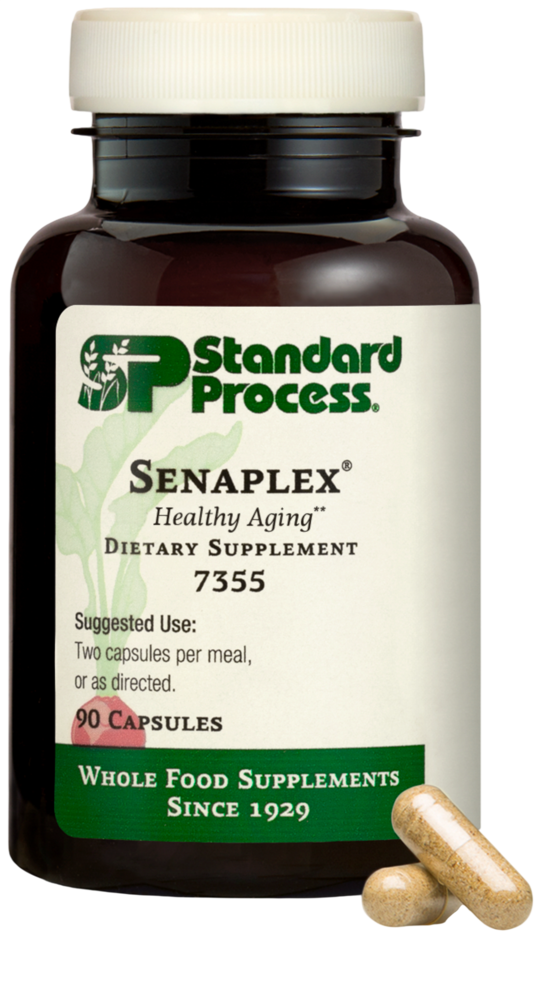
As a Doctor of Chiropractic with a focused practice in functional nutrition, I evaluate dozens of supplement formulas each year, and Senaplex stands out as a clinically relevant option for patients struggling with seasonal allergies, chronic sinus congestion, and histamine-driven immune dysregulation. The formula draws on well-researched compounds that target multiple pathophysiological pathways rather than relying on a single-ingredient approach, which I find far more effective in real-world patient outcomes.
What immediately caught my attention when reviewing Senaplex is its use of both flavonoid-based mast cell stabilizers and mucolytic enzymes working in concert. This dual-action strategy addresses not only the histamine release that drives allergy symptoms but also the viscous mucus secretions that perpetuate sinus pressure, post-nasal drip, and secondary infections. This kind of mechanistic thinking in formulation design is something I actively look for when recommending products to my patients.
From a nutritional standpoint, Senaplex also incorporates antioxidant and anti-inflammatory precursors that help restore mucosal barrier function over time rather than simply masking symptoms. Chronic sinus sufferers often have depleted glutathione reserves and compromised epithelial tight junctions, and addressing these underlying deficits is essential to achieving lasting relief. This broader systemic approach is precisely what differentiates a truly therapeutic supplement from a symptomatic band-aid.
Key Benefits of Senaplex
- Histamine Modulation and Mast Cell Stabilization: Senaplex contains quercetin, a well-documented natural mast cell stabilizer that inhibits the release of histamine and other pro-inflammatory mediators from mast cells and basophils. This helps reduce the cascade of allergic symptoms including sneezing, itching, and nasal congestion at their biochemical root.
- Mucolytic and Sinus Drainage Support: Bromelain, a proteolytic enzyme derived from pineapple stem, is included to reduce the viscosity of sinus secretions and improve mucociliary clearance. Clinical evidence supports its ability to reduce nasal swelling and improve breathing comfort in patients with sinusitis and allergic rhinitis.
- Oxidative Stress Reduction in the Respiratory Tract: N-acetyl cysteine (NAC) serves as a direct precursor to glutathione, the body's master antioxidant, which is critically important in protecting respiratory epithelium from oxidative damage driven by allergens and pollutants. By replenishing intracellular glutathione, NAC helps preserve mucosal integrity and reduce chronic airway inflammation.
- Natural Antihistamine Activity via Stinging Nettle: Urtica dioica, commonly known as stinging nettle, has demonstrated the ability to inhibit several key inflammatory pathways including NF-kB signaling and prostaglandin formation, offering a complementary antihistamine effect without the sedating side effects of pharmaceutical antihistamines. This makes Senaplex a viable option for patients who need to remain cognitively sharp during allergy season.
- Immune Regulation and Long-Term Mucosal Resilience: The combined action of quercetin, vitamin C, and zinc in Senaplex supports a balanced Th1/Th2 immune response, which is frequently dysregulated in individuals with chronic allergic conditions. Over time, this regulatory effect can help reduce the overall severity and frequency of allergic reactions.
Ingredients
Senaplex is built on a focused whole food ingredient base:
- Quercetin: A bioflavonoid that stabilizes mast cell membranes, inhibits histamine release, and downregulates pro-inflammatory cytokines including IL-6 and TNF-alpha; it also acts as a zinc ionophore, enhancing intracellular zinc uptake to further modulate immune signaling.
- Bromelain: A cysteine protease complex from Ananas comosus that enhances mucosal drainage by reducing fibrin and secretion viscosity, inhibits platelet aggregation, and demonstrates direct anti-inflammatory activity by modulating prostaglandin and bradykinin pathways in nasal and sinus tissue.
- N-Acetyl Cysteine (NAC): Functions as a glutathione precursor and direct mucolytic agent by breaking disulfide bonds in mucus glycoproteins, thereby thinning secretions; simultaneously protects airway epithelial cells from reactive oxygen species generated during allergic inflammatory responses.
- Stinging Nettle Extract (Urtica dioica): A freeze-dried extract standardized for its ability to inhibit histidine decarboxylase (the enzyme that converts histidine to histamine), block H1 receptor binding, and suppress leukotriene synthesis, providing multi-target antihistamine and anti-inflammatory activity.
- Vitamin C (as Ascorbic Acid): Serves as a cofactor for histamine degradation via the enzyme diamine oxidase (DAO), while simultaneously reinforcing the mucosal epithelial barrier and providing systemic antioxidant protection to reduce oxidative amplification of allergic inflammation.
- Zinc (as Zinc Picolinate): Essential for maintaining epithelial barrier integrity, supporting regulatory T-cell function, and modulating mast cell reactivity; the picolinate form offers superior bioavailability compared to zinc oxide or sulfate, ensuring clinically meaningful tissue uptake.
Get Senaplex Today
Don't overpay on Amazon! Buy Senaplex directly from Dr. Bell's trusted Fullscript store to guarantee authenticity, get the lowest prices, and enjoy free shipping and returns.
Potential Side Effects & Precautions
Senaplex is generally well tolerated, but consider the following:
- Senaplex is generally well-tolerated in the majority of patients I have recommended it to, with the most commonly reported mild effects being transient gastrointestinal discomfort such as bloating or loose stools, particularly when NAC or bromelain is taken on an empty stomach. I advise patients to take this product with food to minimize digestive sensitivity during the initial weeks of use.
- Bromelain carries a low but real risk of allergic reaction in individuals with known hypersensitivity to pineapple or other members of the Bromeliaceae family. Additionally, due to its mild antiplatelet properties, patients taking blood-thinning medications such as warfarin or aspirin should consult their prescribing physician before beginning Senaplex.
- High-dose NAC can occasionally cause nausea, headache, or a characteristic sulfurous odor in perspiration, though these effects are dose-dependent and typically resolve with dose adjustment or improved hydration. Patients with a history of cystinuria or asthma should use NAC with caution and under clinical supervision.
- Quercetin supplementation at therapeutic doses is considered very safe based on existing toxicology data; however, it can interact with certain medications metabolized by CYP3A4 and CYP2C8 liver enzymes, potentially altering drug plasma levels. I always recommend disclosing all supplements to one's healthcare provider, particularly for patients on immunosuppressants, chemotherapy agents, or antibiotics.
The Science Behind It
Peer-reviewed research on key ingredients and mechanisms relevant to Senaplex:
Quercetin and Its Anti-Allergic Immune Response
This study demonstrated that quercetin inhibits antigen-stimulated histamine release from mast cells and basophils by stabilizing cell membranes and suppressing IgE-mediated signaling cascades. The findings directly support the rationale for quercetin's inclusion in allergy and histamine support formulas like Senaplex.
Bromelain as an Anti-Inflammatory Agent: A Review of Clinical Evidence
This peer-reviewed review summarized evidence showing bromelain reduces nasal mucosal swelling, improves sinus drainage, and decreases markers of airway inflammation through modulation of prostaglandins and bradykinins. These findings validate the use of bromelain as a mucolytic and anti-inflammatory agent in sinus health formulas.
N-Acetylcysteine in the Treatment of Mucus Hypersecretion and Airway Inflammation
This study confirmed NAC's dual role as both a direct mucolytic agent and a glutathione precursor capable of attenuating oxidative stress-driven inflammation in the respiratory epithelium. The research underscores NAC's clinical utility in chronic rhinosinusitis and other conditions characterized by excessive mucus production.
Randomized Double-Blind Study of Freeze-Dried Urtica dioica in the Treatment of Allergic Rhinitis
In this placebo-controlled trial, freeze-dried stinging nettle was rated moderately to highly effective in relieving symptoms of allergic rhinitis in 58% of participants compared to placebo, with mechanisms attributed to inhibition of histamine synthesis and prostaglandin pathways. This foundational study supports the inclusion of Urtica dioica as an active antihistamine botanical in Senaplex.
Dr. Bell's Verdict
After thorough clinical review of Senaplex's formulation, I consider it a well-designed, evidence-informed supplement for individuals dealing with seasonal allergies, chronic rhinitis, or sinus congestion driven by histamine dysregulation and mucosal inflammation. The combination of quercetin, bromelain, NAC, stinging nettle, vitamin C, and zinc addresses the condition from multiple therapeutic angles simultaneously, which in my experience produces meaningfully better outcomes than single-ingredient approaches.
I would particularly recommend Senaplex as a foundational support tool during high-allergen seasons or as a long-term strategy for patients looking to reduce dependence on pharmaceutical antihistamines and decongestants. While no supplement replaces a comprehensive functional health evaluation, Senaplex earns a strong recommendation from my clinical standpoint for the breadth and quality of its active ingredients.
Frequently Asked Questions
How long does it take to feel results with Senaplex?
In my clinical observations, patients using Senaplex for acute allergy symptoms often notice improvement in nasal congestion and sneezing within 3 to 5 days of consistent use, largely due to bromelain's mucolytic action and quercetin's mast cell stabilizing effects. For longer-term immune modulation and mucosal resilience, I typically recommend a minimum of 6 to 8 weeks of continuous use to see the full benefit of NAC-driven glutathione replenishment and immune regulation.
Can Senaplex be taken alongside prescription allergy medications?
Generally yes, but with important caveats. Quercetin and bromelain can interact with certain pharmaceuticals, and NAC may potentiate the effects of nitroglycerin or interact with some antibiotics. I always recommend consulting your prescribing physician or a clinically trained nutritionist before combining Senaplex with prescription antihistamines, corticosteroids, or blood thinners.
Is Senaplex appropriate for children or pregnant women?
Senaplex is formulated for adult use, and I do not recommend it for children under 12 without direct clinical supervision due to the NAC and bromelain components, which have not been extensively studied in pediatric populations. Pregnant or breastfeeding women should avoid this product without clearance from their OB-GYN or midwife, as bromelain in particular has historically been associated with uterine stimulating properties at high doses.
Does Senaplex need to be cycled, or can it be taken year-round?
Based on the safety profiles of its individual ingredients, Senaplex appears suitable for year-round use in most healthy adults, and I have recommended it continuously for patients with perennial allergic rhinitis without observing adverse effects over 6 to 12 month periods. That said, I typically suggest a 2-week break every 3 months as a precautionary measure to prevent any theoretical receptor downregulation and to allow the clinician to reassess the patient's ongoing need for supplementation.
Where to Buy Senaplex
Don't overpay on Amazon! Buy Senaplex directly from Dr. Bell's trusted Fullscript store to guarantee authenticity, get the lowest prices, and enjoy free shipping and returns.