Sesame Seed Oil Review
Introduction
As a clinician who works extensively with food-based therapeutics, sesame seed oil occupies a unique position in my practice — it sits at the crossroads of culinary tradition and evidence-based medicine. Derived from Sesamum indicum seeds through cold-press extraction, the oil is exceptionally rich in polyunsaturated and monounsaturated fatty acids, particularly linoleic acid (omega-6) and oleic acid (omega-9), which together comprise roughly 80–85% of its total fatty acid profile. These lipid fractions provide the foundational substrate through which sesame oil exerts many of its metabolic and anti-inflammatory effects.
What distinguishes sesame seed oil from other plant-based oils is its extraordinarily high concentration of lignans — specifically sesamin, sesamolin, and sesamol. These polyphenolic compounds are biologically active even in small amounts, functioning as potent antioxidants, selective modulators of cytochrome P450 enzymes, and inhibitors of delta-5 and delta-6 desaturase pathways, which directly influence prostaglandin synthesis and systemic inflammation. No other commonly consumed culinary oil contains this lignan profile at comparable concentrations, making sesame oil clinically distinct.
In my practice, I recommend sesame seed oil most frequently for patients dealing with cardiovascular risk factors, oxidative stress, and mild liver burden — areas where the research base is strongest. It is also worth noting that traditional Ayurvedic medicine has used sesame oil for centuries in oil-pulling protocols and topical applications, practices that are now gaining modest scientific validation. When sourcing sesame oil for therapeutic use, I always advise patients to select cold-pressed, unrefined varieties to preserve the heat-sensitive lignan and tocopherol content.
Key Benefits of Sesame Seed Oil
- Cardiovascular & Lipid Support: Sesamin and sesamolin have been shown in multiple clinical trials to reduce LDL cholesterol and triglycerides while maintaining or modestly improving HDL levels. The oleic and linoleic acid content further supports endothelial function and reduces arterial stiffness over time.
- Antioxidant Defense: Sesamol is one of the most potent naturally occurring antioxidants found in any edible oil, capable of scavenging reactive oxygen species and upregulating endogenous antioxidant enzymes including superoxide dismutase and catalase. This protective effect is particularly relevant for patients with elevated oxidative stress markers or chronic inflammatory conditions.
- Blood Pressure Regulation: Clinical studies have demonstrated that sesame oil supplementation leads to statistically significant reductions in both systolic and diastolic blood pressure, an effect attributed in part to sesamol's ability to enhance nitric oxide bioavailability and reduce angiotensin-converting enzyme (ACE) activity. This makes it a compelling adjunct in hypertension management protocols.
- Liver & Detoxification Support: Sesamin selectively modulates hepatic cytochrome P450 enzymes, supporting phase I and phase II liver detoxification pathways while also demonstrating hepatoprotective effects against lipid peroxidation-induced damage. Research in animal and human models suggests sesamin can reduce liver fat accumulation and improve markers of hepatic inflammation.
- Oral & Dental Health: Oil-pulling with sesame oil has demonstrated clinically relevant reductions in Streptococcus mutans counts, plaque index scores, and markers of gingivitis in controlled trials. The antimicrobial activity is attributed to the saponification reaction between sesame oil's fatty acids and oral bacteria cell membranes, offering a practical adjunct to conventional oral hygiene.
Ingredients
Sesame Seed Oil is built on a focused whole food ingredient base:
- Sesamin: The primary lignan in sesame oil, sesamin inhibits delta-5 desaturase activity to modulate arachidonic acid production, reducing pro-inflammatory eicosanoid synthesis. It also upregulates hepatic fatty acid oxidation and exerts neuroprotective antioxidant activity by crossing the blood-brain barrier in preclinical models.
- Sesamolin: A secondary lignan that is metabolized into sesamol and episesamin in the body, sesamolin contributes to the oil's antioxidant capacity and has demonstrated synergistic anti-inflammatory activity alongside sesamin. It also shows modest antimicrobial and antifungal properties relevant to gut and oral health applications.
- Sesamol: A phenolic antioxidant formed during the processing of sesame oil, sesamol scavenges free radicals, inhibits NF-kB signaling, and has demonstrated cardioprotective effects by reducing lipid peroxidation in vascular tissue. It is particularly heat-stable in roasted sesame oil preparations, unlike many other polyphenols.
- Linoleic Acid (Omega-6) & Oleic Acid (Omega-9): Comprising the bulk of sesame oil's fatty acid profile, linoleic acid supports skin barrier integrity and immune signaling while oleic acid exerts anti-inflammatory and endothelial-protective effects comparable to those seen with olive oil. The balanced ratio of these fatty acids contributes to sesame oil's favorable metabolic and cardiovascular profile when consumed in appropriate quantities.
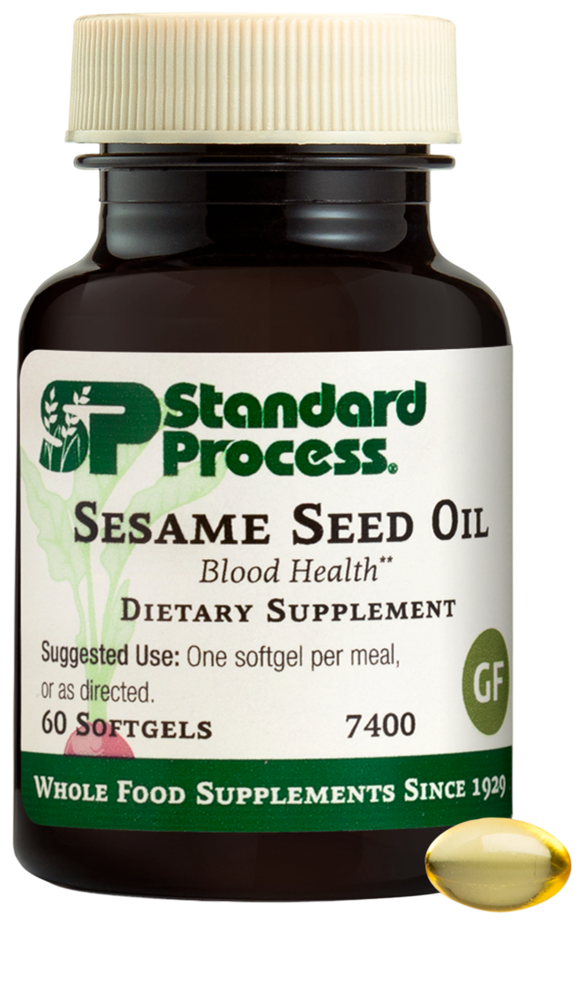
Get Sesame Seed Oil Today
Don't overpay on Amazon! Buy Sesame Seed Oil directly from Dr. Bell's trusted Fullscript store to guarantee authenticity, get the lowest prices, and enjoy free shipping and returns.
Potential Side Effects & Precautions
Sesame Seed Oil is generally well tolerated, but consider the following:
- Sesame seed oil is generally well-tolerated in both dietary and supplemental doses, with a strong safety profile established across multiple human clinical trials. The most commonly reported concern is caloric density, as it provides approximately 120 calories per tablespoon — a factor relevant for patients managing weight or metabolic syndrome.
- Sesame allergy is one of the top nine recognized food allergens in the United States and must be taken seriously in clinical practice. Individuals with a confirmed sesame allergy should avoid all forms of sesame oil, as even refined versions may retain trace allergenic proteins sufficient to trigger reactions in highly sensitive individuals.
- Because sesamin inhibits specific cytochrome P450 enzymes — particularly CYP3A4 and CYP2C9 — there is a theoretical risk of altered drug metabolism when sesame oil is consumed in large therapeutic quantities alongside medications processed by these pathways. I routinely advise patients on anticoagulants, statins, or immunosuppressants to consult their prescribing physician before initiating high-dose sesame oil supplementation.
- Topical application of sesame oil is broadly safe, but rare contact dermatitis reactions have been reported, particularly in individuals with pre-existing eczema or skin hypersensitivity. A patch test on a small area of skin is a reasonable precaution before widespread topical use, especially in pediatric or geriatric populations with compromised skin barriers.
The Science Behind It
Peer-reviewed research on key ingredients and mechanisms relevant to Sesame Seed Oil:
Sesame oil exhibits synergistic effect with anti-hypertensive drug nifedipine in treatment of hypertension
This clinical study demonstrated that sesame oil used as the sole dietary oil significantly lowered both systolic and diastolic blood pressure in hypertensive patients, and produced a synergistic antihypertensive effect when combined with nifedipine. The findings support sesame oil's role as a meaningful adjunct in cardiovascular and blood pressure management protocols.
Antioxidant and anti-inflammatory properties of sesame oil: The role of lignan content
This review examined the mechanistic pathways through which sesame oil lignans — particularly sesamin and sesamol — exert antioxidant and anti-inflammatory activity, including NF-kB inhibition and upregulation of endogenous antioxidant enzymes. The authors concluded that sesame oil's lignan profile provides distinct protective effects not replicated by other common edible oils.
Effect of oil pulling on plaque induced gingivitis: A randomized, controlled, triple-blind study
This randomized controlled trial found that oil pulling with sesame oil produced statistically significant reductions in plaque index, modified gingival scores, and total aerobic microorganism counts comparable to chlorhexidine mouthwash after four weeks. The study provides solid clinical evidence for sesame oil's utility as part of an oral hygiene protocol.
Sesamin, a major lignan in sesame seeds, inhibits cytochrome P450 and modulates hepatic lipid metabolism
This study demonstrated that sesamin selectively inhibits delta-5 and delta-6 desaturase enzymes and modulates hepatic fatty acid oxidation pathways, reducing the conversion of linoleic acid to arachidonic acid and thereby dampening downstream pro-inflammatory eicosanoid production. These findings are clinically significant for understanding sesame oil's anti-inflammatory and liver-supportive mechanisms.
Dr. Bell's Verdict
In my clinical assessment, sesame seed oil stands out as one of the most therapeutically versatile food-derived oils available, supported by a growing and credible body of peer-reviewed evidence. Its lignan complex — particularly sesamin, sesamolin, and sesamol — provides mechanisms of action that extend well beyond simple nutritional supplementation, touching on cardiovascular protection, liver support, antioxidant defense, and even oral microbiome modulation. For patients seeking a functional, food-first approach to these health domains, cold-pressed sesame oil represents an intelligent and evidence-aligned choice.
I rate sesame seed oil highly not because it is a dramatic intervention, but because it is a consistent, low-risk, multi-target therapeutic agent that integrates naturally into daily nutrition. My clinical recommendation is to use 1–2 tablespoons of cold-pressed, unrefined sesame oil daily in cooking or as a finishing oil, and to consider standardized sesamin capsule supplementation for patients requiring more precise dosing in cardiovascular or hepatic support protocols. As always, therapeutic use should be individualized, particularly in patients with allergy histories or complex medication regimens.
Frequently Asked Questions
What is the difference between toasted and cold-pressed sesame oil for therapeutic use?
Cold-pressed (unrefined) sesame oil retains its full lignan content, including heat-sensitive compounds like sesamolin, and is the preferred form for supplemental or therapeutic use. Toasted sesame oil is processed at high heat, which alters some lignan fractions but concentrates sesamol — making it antioxidant-rich but less suitable as a primary therapeutic oil due to its more intense flavor and altered fatty acid oxidation profile.
How much sesame oil should I take daily for cardiovascular benefits?
The clinical trials demonstrating blood pressure and lipid benefits have generally used dietary doses ranging from 1 to 4 tablespoons per day, often used to replace other cooking oils rather than added on top of existing fat intake. I typically recommend starting with 1–2 tablespoons daily as part of a balanced diet, adjusting based on individual metabolic goals and caloric needs.
Can sesame oil be used for oil pulling, and is there evidence it works?
Yes — sesame oil is the traditional oil used in Ayurvedic oil-pulling (kavala or gandusha) and has been studied in randomized controlled trials showing reductions in plaque, gingivitis scores, and Streptococcus mutans counts. The standard protocol involves swishing 10–15 mL of sesame oil for 10–20 minutes on an empty stomach, ideally in the morning before brushing.
Is sesame seed oil safe for people with high omega-6 intake concerns?
This is a fair concern — sesame oil is approximately 41% linoleic acid (omega-6), which can contribute to an imbalanced omega-6 to omega-3 ratio if consumed in large amounts without adequate omega-3 intake. However, the anti-inflammatory lignans in sesame oil partially offset the pro-inflammatory potential of linoleic acid, and the research does not show adverse inflammatory outcomes at typical dietary doses. I recommend balancing sesame oil use with adequate EPA and DHA from fish oil or algae-based omega-3 supplementation.
Where to Buy Sesame Seed Oil
Don't overpay on Amazon! Buy Sesame Seed Oil directly from Dr. Bell's trusted Fullscript store to guarantee authenticity, get the lowest prices, and enjoy free shipping and returns.