Soybean Lecithin Review
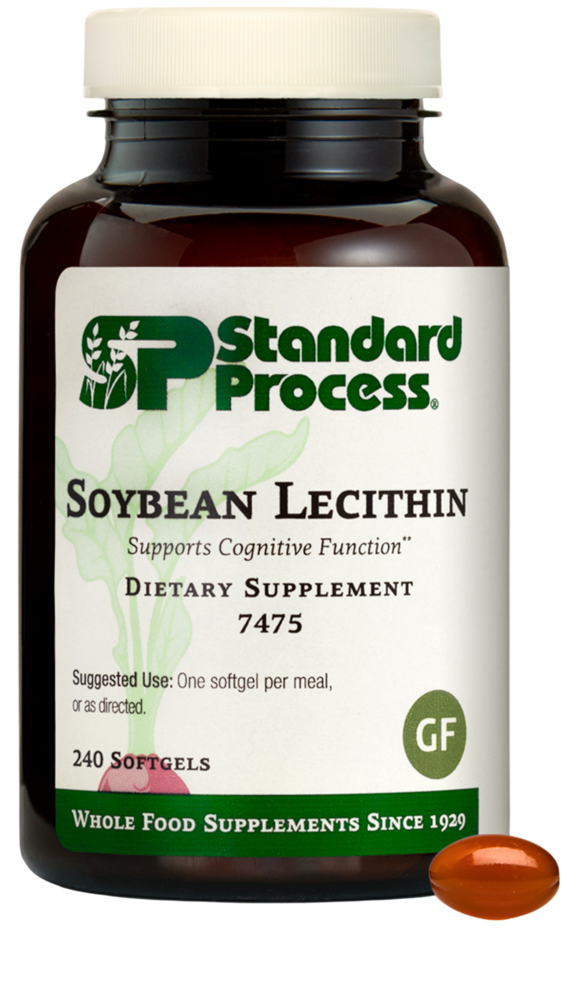
Introduction
Soybean lecithin is a naturally occurring mixture of phospholipids extracted from soybean oil, and in my clinical practice I regard it as one of the most versatile and underappreciated nutritional compounds available today. Its primary phospholipid components — phosphatidylcholine (PC), phosphatidylethanolamine (PE), phosphatidylinositol (PI), and phosphatidylserine (PS) — are not merely structural curiosities but are biologically active molecules that govern membrane fluidity, lipid transport, and intercellular signaling across virtually every tissue in the body.
What distinguishes soybean lecithin from many other supplements is that its therapeutic actions are rooted in fundamental cellular biochemistry rather than secondary metabolic pathways. Phosphatidylcholine, the dominant phospholipid in lecithin, serves as the primary dietary source of choline — an essential nutrient that the human body cannot synthesize in sufficient quantities on its own. Adequate choline status is directly linked to hepatic fat metabolism, acetylcholine neurotransmitter production, and the integrity of the myelin sheath surrounding peripheral and central nervous system neurons.
From a clinical standpoint, I find soybean lecithin particularly valuable for patients presenting with fatty liver concerns, cognitive sluggishness, elevated LDL cholesterol, or digestive insufficiency related to bile production. While it is widely used as an emulsifier in the food industry, pharmaceutical-grade lecithin supplements deliver meaningful therapeutic doses of phospholipids that go well beyond what is obtained through dietary exposure alone. Understanding how each phospholipid fraction contributes to health outcomes allows us to use this supplement strategically and with genuine clinical intention.
Key Benefits of Soybean Lecithin
- Liver Protection and Fat Metabolism: Phosphatidylcholine is essential for the hepatic export of very-low-density lipoproteins (VLDL), and without adequate PC, triglycerides accumulate in liver cells, contributing to non-alcoholic fatty liver disease (NAFLD). Supplementing with soybean lecithin helps restore PC availability, facilitating proper lipid transport out of the liver and reducing hepatocellular fat burden.
- Cognitive Function and Memory Support: Choline derived from lecithin is a direct precursor to acetylcholine, the neurotransmitter most critically involved in learning, memory consolidation, and executive function. Clinical evidence suggests that regular lecithin supplementation can meaningfully support cognitive performance, particularly in individuals with suboptimal dietary choline intake or age-related cognitive decline.
- Cardiovascular Lipid Balance: Lecithin acts as a natural emulsifier in the bloodstream, helping to prevent the aggregation of lipid particles that contribute to arterial plaque formation and atherosclerosis. Several studies have demonstrated that lecithin supplementation is associated with reductions in total cholesterol and LDL while preserving or modestly increasing HDL levels.
- Digestive Efficiency and Gut Mucosal Protection: Phosphatidylcholine is a key structural component of the mucus layer lining the gastrointestinal tract, and depletion of this phospholipid has been associated with increased intestinal permeability and inflammatory bowel conditions. Supplemental lecithin helps reinforce this mucosal barrier, improving fat emulsification in the small intestine and supporting overall digestive efficiency.
- Myelin Sheath Integrity and Nervous System Support: The myelin sheath that insulates nerve fibers is composed largely of phospholipids including phosphatidylcholine and phosphatidylserine, both of which are abundantly present in soybean lecithin. Ensuring adequate phospholipid availability through supplementation may help maintain neural conduction velocity and support recovery in patients dealing with peripheral neuropathy or neurological stress.
Ingredients
Soybean Lecithin is built on a focused whole food ingredient base:
- Phosphatidylcholine (PC): The most abundant phospholipid in soybean lecithin, PC is the principal dietary source of bioavailable choline. It is critical for hepatic VLDL synthesis, cell membrane integrity, acetylcholine production, and the structural maintenance of all mammalian cell bilayers.
- Phosphatidylethanolamine (PE): PE is the second most prevalent phospholipid in lecithin and plays a key role in mitochondrial membrane dynamics, autophagy regulation, and cell signaling. It is also involved in the methylation cycle, where it can be converted to phosphatidylcholine in the liver via the PEMT enzyme pathway.
- Phosphatidylinositol (PI): PI serves as a precursor to inositol phosphates and phosphoinositides, which are essential second messengers in insulin signaling, cellular calcium regulation, and membrane trafficking. Adequate PI availability supports glucose metabolism and may have implications for conditions related to insulin sensitivity.
- Phosphatidylserine (PS): Though present in smaller concentrations, PS is a biologically significant phospholipid concentrated in neural tissue, where it modulates cortisol response, supports synaptic plasticity, and plays a role in apoptotic signaling. Its presence in soybean lecithin contributes meaningfully to the supplement's neurological and stress-response benefits.
Get Soybean Lecithin Today
Don't overpay on Amazon! Buy Soybean Lecithin directly from Dr. Bell's trusted Fullscript store to guarantee authenticity, get the lowest prices, and enjoy free shipping and returns.
Potential Side Effects & Precautions
Soybean Lecithin is generally well tolerated, but consider the following:
- Soybean lecithin is generally well-tolerated at commonly recommended doses of 1,200 to 2,400 mg per day, and adverse events are infrequent and typically mild. The most commonly reported side effects include gastrointestinal disturbances such as loose stools, nausea, bloating, or abdominal cramping, particularly when initiating supplementation or consuming doses at the higher end of the therapeutic range.
- Individuals with documented soy allergies should exercise caution with soybean lecithin, though it is worth noting that the protein content in commercial lecithin is extremely low due to the purification process. Most allergic reactions to soy are triggered by specific soy proteins rather than phospholipids, so many soy-sensitive individuals tolerate lecithin without incident — however, consultation with a healthcare provider is strongly advised before use in this population.
- There is emerging research examining the relationship between choline-rich supplements and the gut microbial production of trimethylamine N-oxide (TMAO), a metabolite associated with cardiovascular risk in some population studies. While this remains an area of active scientific debate and the clinical significance at typical supplemental doses is not firmly established, patients with known cardiovascular disease or dysbiotic gut microbiome profiles should discuss this consideration with their physician.
- Pregnant or nursing women should consult a healthcare provider before supplementing with lecithin, as choline requirements are elevated during pregnancy but the optimal form and dose of supplementation should be individualized. Additionally, individuals taking blood-thinning medications should be aware that high-dose phosphatidylcholine may have mild anticoagulant-like properties, warranting monitoring in those on anticoagulant therapy.
The Science Behind It
Peer-reviewed research on key ingredients and mechanisms relevant to Soybean Lecithin:
Phosphatidylcholine and the metabolism of choline in humans: a review
This review examines the essential role of phosphatidylcholine as the primary dietary source of choline, detailing its involvement in VLDL secretion, liver function, and neurotransmitter synthesis. It establishes the mechanistic foundation for using lecithin supplementation to address choline insufficiency and its downstream hepatic and neurological consequences.
Soy lecithin reduces plasma lipoprotein cholesterol and early atherogenesis in hypercholesterolaemic monkeys and hamsters
This animal study demonstrated that dietary soy lecithin supplementation significantly reduced total and LDL cholesterol and attenuated early atherosclerotic lesion development in hypercholesterolemic models. The findings support the cardiovascular lipid-balancing properties attributed to soybean lecithin's phospholipid content.
Phosphatidylcholine protects against fibrosis and cirrhosis in the baboon
This landmark study by Lieber et al. showed that dietary phosphatidylcholine supplementation significantly attenuated alcohol-induced hepatic fibrosis and cirrhosis in a primate model, implicating PC as a hepatoprotective agent. The results strongly support the rationale for lecithin use in liver protection and fat metabolism protocols.
The role of phosphatidylcholine in the mucus barrier of the gastrointestinal tract
This study investigated the structural role of phosphatidylcholine in the intestinal mucus layer and found that reduced PC content in the mucus was associated with increased gut permeability and inflammatory bowel pathology. The findings support the use of lecithin supplementation as a strategy to reinforce the gastrointestinal mucosal barrier and reduce intestinal inflammation.
Dr. Bell's Verdict
In my clinical assessment, soybean lecithin is a genuinely multi-functional supplement backed by a credible body of mechanistic and clinical research, and it earns a prominent place in nutritional protocols targeting liver health, cognitive support, lipid balance, and gastrointestinal integrity. The breadth of phospholipid activity it delivers — from hepatoprotection to neurological membrane support — makes it one of the few supplements I recommend across a wide range of patient presentations without significant hesitation.
My primary recommendations when advising patients on soybean lecithin are to select non-GMO, pharmaceutical-grade formulations, to begin with a lower dose and titrate upward to minimize GI adjustment, and to use it as part of a comprehensive nutritional strategy rather than a standalone intervention. For patients with soy sensitivities or specific cardiovascular concerns related to TMAO, sunflower lecithin presents a reasonable phospholipid-equivalent alternative worth discussing. Overall, I rate soybean lecithin highly for its safety profile, mechanistic plausibility, and clinical versatility.
Frequently Asked Questions
What is the difference between soybean lecithin and sunflower lecithin?
Both sources deliver similar phospholipid profiles, including phosphatidylcholine and phosphatidylinositol, and have comparable therapeutic applications. The key distinction is that sunflower lecithin is extracted without chemical solvents and is naturally free from soy proteins, making it preferable for individuals with soy allergies or those seeking non-GMO, solvent-free options.
How much soybean lecithin should I take per day?
Clinical studies and traditional use typically support a daily dose of 1,200 to 2,400 mg, often divided into two doses taken with meals to improve absorption and minimize gastrointestinal discomfort. For specific therapeutic goals such as liver support or lipid management, some practitioners use doses up to 3,600 mg daily, but I recommend starting conservatively and adjusting based on individual tolerance and clinical response.
Can soybean lecithin help with fatty liver disease?
Yes, phosphatidylcholine — the dominant component of soybean lecithin — is directly involved in hepatic VLDL assembly, which is the liver's primary mechanism for exporting excess fat into circulation. Deficiency in choline and PC is a well-established driver of hepatic fat accumulation, and supplementation has been shown in research settings to support liver fat clearance and improve hepatic function markers.
Is soybean lecithin safe for long-term use?
Based on available evidence and its long history of use both as a food ingredient and nutritional supplement, soybean lecithin is considered safe for long-term use in most healthy adults. Routine monitoring is not generally required, though I do recommend periodic review of cardiovascular biomarkers and gut health status in long-term users, particularly those with pre-existing cardiovascular or metabolic conditions.
Where to Buy Soybean Lecithin
Don't overpay on Amazon! Buy Soybean Lecithin directly from Dr. Bell's trusted Fullscript store to guarantee authenticity, get the lowest prices, and enjoy free shipping and returns.