SP Red Food Review
Introduction
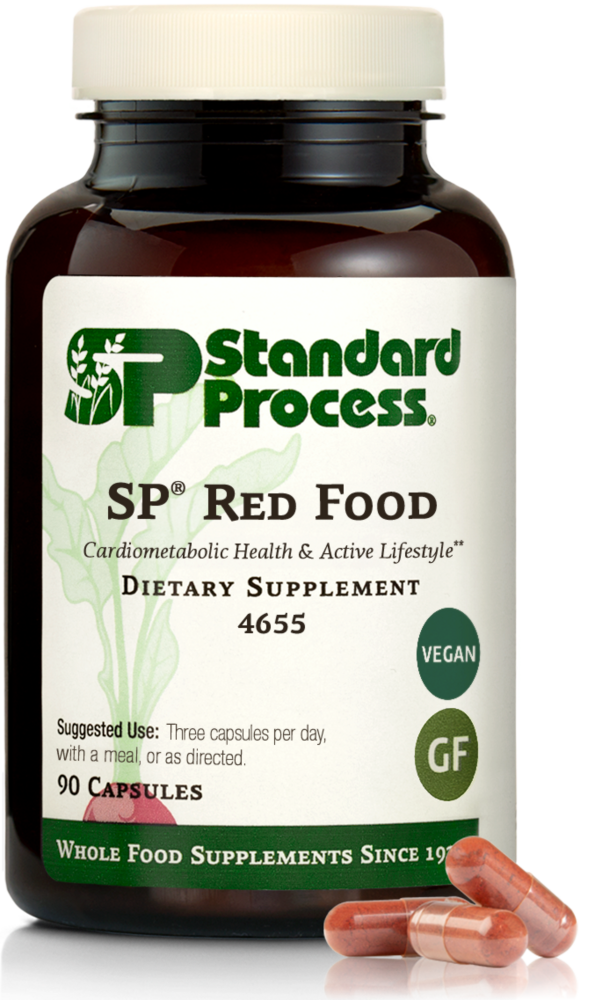
As a chiropractor and nutritional specialist, I frequently turn to whole-food concentrates when my patients present with gaps that isolated synthetic nutrients simply cannot fill. SP Red Food, manufactured by Standard Process, is built on a foundation of beet root, carrot, and other red and orange vegetables, delivering a broad spectrum of naturally co-occurring phytonutrients in a form the body recognizes and utilizes efficiently. This approach aligns with decades of research showing that whole-food matrices enhance nutrient bioavailability compared to isolated compounds.
The formulation centers on carotenoid-rich vegetables that supply beta-carotene, alpha-carotene, lycopene precursors, and betaine — compounds with well-documented roles in cardiovascular protection, phase II liver detoxification, and cellular antioxidant defense. Beet root in particular has garnered significant research attention for its nitrate content, which supports healthy blood pressure and endothelial function through the nitric oxide pathway. Carrot concentrate adds complementary carotenoid diversity that synergizes with these effects.
What distinguishes SP Red Food from generic vegetable extracts is Standard Process's low-temperature processing philosophy, which aims to preserve heat-sensitive enzymes, cofactors, and phytochemical complexes that are destroyed in conventional high-heat manufacturing. In my clinical practice, I find this formulation particularly useful for patients with sluggish liver function, suboptimal cardiovascular markers, or those simply not consuming the recommended 5-9 daily servings of deeply colored vegetables. It is a practical, evidence-informed tool in a functional nutrition protocol.
Key Benefits of SP Red Food
- Cardiovascular & Endothelial Support: Beet root concentrate provides dietary nitrates that are converted to nitric oxide, promoting vasodilation, healthy blood pressure, and improved endothelial function. This pathway is one of the most robustly studied mechanisms in cardiovascular nutrition.
- Liver Detoxification Support: Betaine derived from beet root acts as a methyl donor, supporting hepatic methylation reactions critical to phase II detoxification and homocysteine clearance. Adequate betaine intake is associated with reduced liver fat accumulation and improved hepatic enzyme profiles.
- Antioxidant & Free Radical Defense: The concentrated carotenoids — including beta-carotene, alpha-carotene, and lutein — quench reactive oxygen species and protect cell membranes from oxidative damage. These pigments work synergistically as a network, which whole-food concentrates deliver more effectively than isolated extracts.
- Immune Modulation: Beta-carotene serves as a precursor to vitamin A, a nutrient essential for maintaining mucosal barrier integrity and regulating innate and adaptive immune responses. Consistent carotenoid intake from whole-food sources has been linked to more balanced immune surveillance.
- Healthy Inflammatory Response: Betalain pigments in beet root — betacyanins and betaxanthins — have demonstrated anti-inflammatory activity by inhibiting pro-inflammatory enzymes including cyclooxygenase-1 and cyclooxygenase-2. This makes SP Red Food a useful adjunct in protocols addressing low-grade systemic inflammation.
Ingredients
SP Red Food is built on a focused whole food ingredient base:
- Beet Root Concentrate: Provides dietary nitrates for nitric oxide synthesis supporting blood pressure and endothelial health, along with betaine for hepatic methylation, and betalain pigments with antioxidant and anti-inflammatory properties.
- Carrot Concentrate: Delivers a broad carotenoid profile including alpha- and beta-carotene that serve as provitamin A precursors and direct antioxidants, supporting immune function, skin integrity, and cellular protection.
- Sweet Potato: Contributes additional beta-carotene, vitamin C cofactors, and complex polysaccharides that support gut mucosal health and provide a sustained antioxidant matrix complementing beet and carrot concentrates.
- Nutritional Yeast (Defatted): Supplies B-complex vitamins — particularly B1, B2, B3, and B6 — that serve as enzymatic cofactors in energy metabolism, detoxification reactions, and neurological function, rounding out the whole-food nutritional profile.
Get SP Red Food Today
Don't overpay on Amazon! Buy SP Red Food directly from Dr. Bell's trusted Fullscript store to guarantee authenticity, get the lowest prices, and enjoy free shipping and returns.
Potential Side Effects & Precautions
SP Red Food is generally well tolerated, but consider the following:
- SP Red Food is generally very well tolerated given its whole-food concentrate composition, and serious adverse events are not commonly reported in clinical use. The most notable and benign phenomenon is beeturia — pink or red discoloration of urine or stool from beet pigments — which is harmless but worth informing patients about so it does not cause unnecessary concern.
- Individuals with a history of kidney stones, particularly calcium oxalate stones, should exercise caution because beet root contains moderate levels of oxalates. I recommend that these patients discuss use with their nephrologist or primary care provider before incorporating this supplement into their regimen.
- Patients on anticoagulant medications such as warfarin should note that concentrated vegetable products can variably affect vitamin K intake, and consistency of use is important for maintaining stable INR values. A conversation with the prescribing physician is prudent before starting any concentrated vegetable supplement.
- Those with known allergies to plants in the Chenopodiaceae family — which includes beets and spinach — should review the ingredient list carefully. Digestive discomfort such as bloating or loose stools is occasionally reported when initiating high-fiber vegetable concentrates, typically resolving within one to two weeks as the gut microbiome adapts.
The Science Behind It
Peer-reviewed research on key ingredients and mechanisms relevant to SP Red Food:
Dietary nitrate provides sustained blood pressure lowering in hypertensive patients: a randomized, phase 2, double-blind, placebo-controlled trial
This randomized controlled trial demonstrated that daily dietary nitrate supplementation via beetroot juice produced significant and sustained reductions in systolic and diastolic blood pressure in hypertensive patients over four weeks. The findings directly support the cardiovascular benefit of beet root concentrate as found in SP Red Food.
Betaine supplementation decreases plasma homocysteine in healthy adult participants: a meta-analysis
This meta-analysis confirmed that betaine supplementation significantly reduces circulating homocysteine levels, a key cardiovascular and metabolic risk marker, by supporting hepatic methylation pathways. This mechanism is directly relevant to the betaine content naturally present in beet root concentrate.
Betalains from Beta vulgaris: chemistry, pharmacology, and potential health effects
This comprehensive review documented the antioxidant, anti-inflammatory, and hepatoprotective activities of beet root betalain pigments, including their inhibition of COX enzymes and reduction of lipid peroxidation markers. These findings support the use of beet root concentrate for oxidative stress and inflammatory load management.
Carotenoids and human health
This review synthesized evidence on the roles of dietary carotenoids — including alpha- and beta-carotene from carrots — in reducing risk of cardiovascular disease, certain cancers, and immune dysfunction through antioxidant and gene-regulatory mechanisms. It reinforces the clinical value of carotenoid-rich whole-food concentrates like SP Red Food for broad preventive health support.
Dr. Bell's Verdict
SP Red Food earns a strong recommendation in my practice as a well-formulated, whole-food-based phytonutrient concentrate that addresses real dietary gaps many patients face. The combination of beet root betaine and nitrates, carotenoid-rich carrot and sweet potato, and B-vitamin cofactors from nutritional yeast creates a genuinely synergistic profile rather than a collection of isolated compounds — and Standard Process's low-temperature processing philosophy helps preserve the bioactive integrity of these nutrients.
It is not a replacement for a diet rich in deeply colored vegetables, but in the clinical reality where most patients fall well short of those targets, SP Red Food provides meaningful, evidence-supported nutritional insurance. I use it most confidently in patients with borderline cardiovascular risk markers, liver burden, or elevated oxidative stress, and I find it pairs especially well with SP Green Food for a comprehensive whole-food phytonutrient protocol.
Frequently Asked Questions
Who is SP Red Food best suited for?
It is particularly well-suited for patients who do not consistently consume deeply colored vegetables, those with early cardiovascular risk factors such as elevated blood pressure or homocysteine, and individuals needing additional liver detoxification support. It also serves as excellent foundational nutrition for generally health-conscious adults seeking broad antioxidant coverage.
How should SP Red Food be dosed and taken?
Standard Process typically recommends two to four tablets per day with meals, though I often customize dosing based on individual nutritional assessment findings. Taking it with food improves the absorption of fat-soluble carotenoids and reduces any potential for mild digestive sensitivity.
Can SP Red Food lower blood pressure on its own?
The dietary nitrates in beet root concentrate can contribute to modest reductions in blood pressure through nitric oxide-mediated vasodilation, and published research supports this effect. However, it should be viewed as one component of a comprehensive cardiovascular support strategy that includes diet, exercise, and appropriate medical management — not as a standalone antihypertensive therapy.
Is SP Red Food safe during pregnancy?
The ingredients are derived from food sources generally recognized as safe, and the nutrients provided — including provitamin A carotenoids and B vitamins — are important during pregnancy. That said, pregnant women should always consult their obstetrician before adding any supplement to their routine, as individual circumstances and medication interactions need to be evaluated.
Where to Buy SP Red Food
Don't overpay on Amazon! Buy SP Red Food directly from Dr. Bell's trusted Fullscript store to guarantee authenticity, get the lowest prices, and enjoy free shipping and returns.