Spanish Black Radish Review
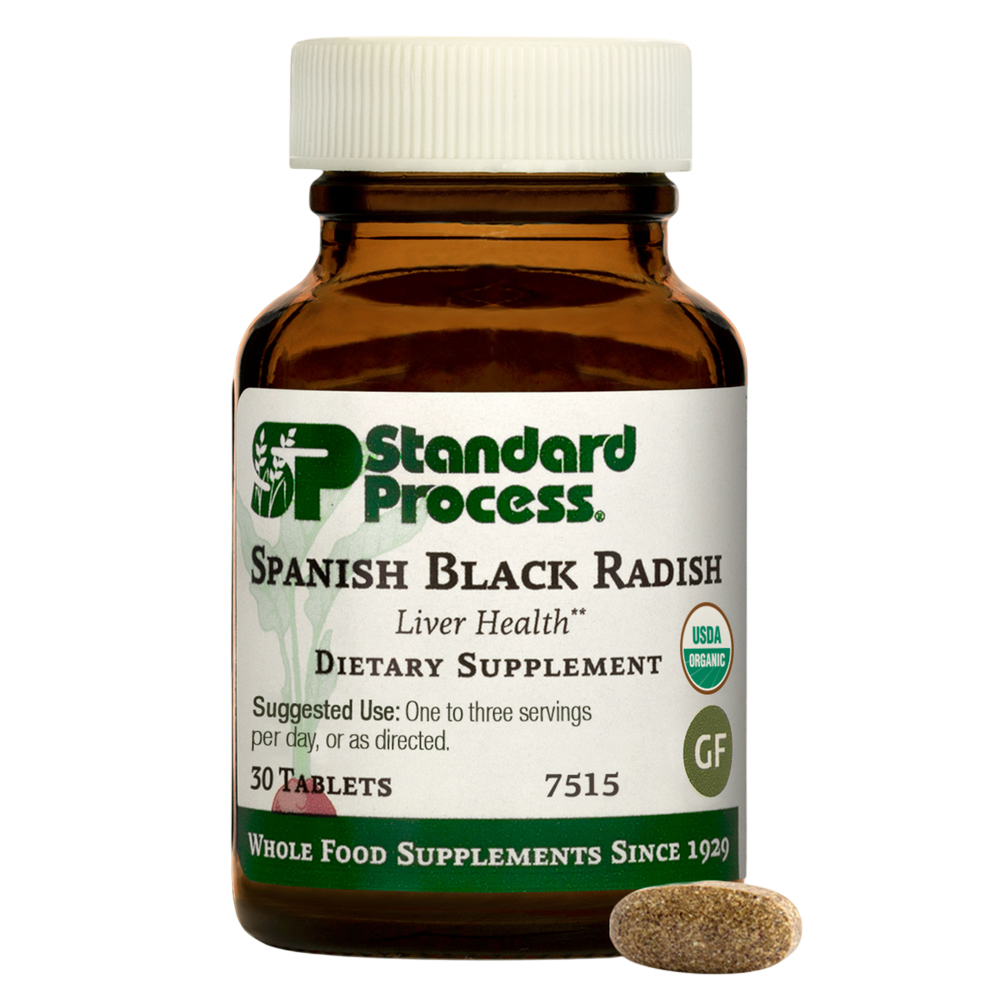
Introduction
Spanish Black Radish (Raphanus sativus var. niger) is a member of the Brassicaceae family and has been used in European herbal medicine for centuries as a cholagogue and hepatoprotective agent. As a clinician, I find it particularly compelling because its therapeutic mechanisms are well-grounded in phytochemistry — specifically the presence of glucosinolates, isothiocyanates, and sulfur-containing compounds that directly influence detoxification enzyme activity in the liver.
The root's most pharmacologically active constituents are glucoraphasatin and glucoraphanin, which are enzymatically converted to their active isothiocyanate forms upon chewing or digestion. These compounds have been shown to upregulate phase II detoxification enzymes — including glutathione S-transferase and UDP-glucuronosyltransferases — which are critical for conjugating and eliminating fat-soluble toxins, hormones, and xenobiotics from the body.
In my practice, I often reach for Spanish Black Radish when a patient presents with signs of biliary stasis, hormonal imbalance related to estrogen recycling, or chronic chemical exposure. Unlike many liver supplements that focus solely on antioxidant support, Spanish Black Radish works upstream by actively stimulating bile production and flow, which is essential for fat-soluble toxin elimination and healthy cholesterol metabolism.
Key Benefits of Spanish Black Radish
- Liver Detoxification Support: Spanish Black Radish upregulates phase II hepatic detoxification enzymes, including glutathione S-transferase, which are responsible for conjugating toxins and preparing them for elimination. This makes it especially valuable in patients with high toxic burden or those undergoing structured detoxification protocols.
- Bile Production and Gallbladder Function: The isothiocyanate compounds in Spanish Black Radish act as cholagogues and choleretics, stimulating both the production of bile in the liver and its release from the gallbladder. Improved bile flow directly supports fat digestion, cholesterol excretion, and the removal of fat-soluble waste products.
- Estrogen Metabolism and Hormonal Balance: By enhancing hepatic phase II conjugation pathways — particularly glucuronidation — Spanish Black Radish helps the liver properly inactivate and excrete used estrogens rather than allowing them to be reabsorbed via enterohepatic circulation. I recommend it frequently for patients with estrogen dominance symptoms such as PMS, fibrocystic breasts, or weight gain.
- Antioxidant and Anti-inflammatory Activity: The glucosinolate metabolites in Spanish Black Radish have demonstrated meaningful antioxidant activity, reducing oxidative stress markers in hepatic tissue. This hepatoprotective effect helps shield liver cells from damage caused by alcohol, medications, environmental chemicals, and metabolic byproducts.
- Digestive Enzyme and Gut Motility Support: Spanish Black Radish has traditionally been used to stimulate digestive secretions, including hydrochloric acid and pancreatic enzymes, supporting overall digestive efficiency. Patients with bloating, fat malabsorption, or sluggish digestion often report noticeable improvement when incorporating this botanical into their regimen.
Ingredients
Spanish Black Radish is built on a focused whole food ingredient base:
- Glucoraphasatin and Glucoraphanin (Glucosinolates): These are the primary bioactive precursor compounds in Spanish Black Radish root. Upon hydrolysis by the enzyme myrosinase — activated during digestion — they yield active isothiocyanates including sulforaphene and sulforaphane, which are the principal drivers of phase II enzyme induction and hepatoprotective activity.
- Isothiocyanates (Sulforaphene, Sulforaphane): The active hydrolysis products of glucosinolates, these sulfur-rich compounds directly activate the Nrf2 transcription pathway, upregulating antioxidant response elements and phase II detoxification enzymes throughout the liver. They are largely responsible for the anti-inflammatory and hepatoprotective clinical effects observed with Spanish Black Radish use.
- Raphanin (Antibacterial Sulfur Compound): Raphanin is a sulfur-containing compound unique to radish species with documented antimicrobial properties. It contributes to the gut-balancing effects of Spanish Black Radish by selectively inhibiting pathogenic bacteria while supporting overall digestive tract integrity.
- Vitamin C and Flavonoids (Anthocyanins): The dark outer skin of Spanish Black Radish is rich in anthocyanin pigments and ascorbic acid, both of which contribute additional antioxidant protection and support vascular integrity. These compounds work synergistically with the glucosinolate fraction to reduce hepatic oxidative stress and support immune function.
Get Spanish Black Radish Today
Don't overpay on Amazon! Buy Spanish Black Radish directly from Dr. Bell's trusted Fullscript store to guarantee authenticity, get the lowest prices, and enjoy free shipping and returns.
Potential Side Effects & Precautions
Spanish Black Radish is generally well tolerated, but consider the following:
- Spanish Black Radish is generally well-tolerated, but patients with pre-existing gallstones or bile duct obstruction should use caution. Because it stimulates bile flow, it can theoretically provoke biliary colic in individuals with obstructive cholelithiasis; I always screen for this before recommending it to new patients.
- Some individuals — particularly those initiating detoxification protocols — may experience mild gastrointestinal symptoms such as bloating, increased bowel movements, or transient nausea as bile flow increases and the gut adapts. These effects are typically self-limiting and resolve within the first one to two weeks of use.
- As a member of the Brassicaceae family, Spanish Black Radish contains goitrogenic compounds that may theoretically interfere with thyroid iodine uptake when consumed in very high quantities. In clinical doses used in supplementation, this risk is minimal for individuals with adequate iodine status, but I do advise patients with hypothyroidism or Hashimoto's thyroiditis to consult their physician and avoid excessive intake.
- Individuals taking medications metabolized by cytochrome P450 enzymes — particularly anticoagulants such as warfarin or hormone-based therapies — should be aware that enhanced phase II enzyme activity may alter drug metabolism and clearance rates. I recommend coordinating with a prescribing physician before adding Spanish Black Radish to a regimen involving these medications.
The Science Behind It
Peer-reviewed research on key ingredients and mechanisms relevant to Spanish Black Radish:
Glucosinolates and isothiocyanates in health and disease
This comprehensive review examined the mechanisms by which glucosinolate-derived isothiocyanates — the primary bioactive compounds in Spanish Black Radish — modulate phase II detoxification enzymes, Nrf2 signaling, and inflammation pathways. The findings are directly relevant to Spanish Black Radish's hepatoprotective and detoxification-supporting mechanisms.
Sulforaphane and other isothiocyanates in human health
This review detailed how sulforaphane and related isothiocyanates from Brassica vegetables activate the Nrf2-ARE pathway to induce antioxidant and phase II enzyme expression in hepatic and extra-hepatic tissues. These findings provide mechanistic support for the use of Spanish Black Radish in liver detoxification and oxidative stress reduction protocols.
Hepatoprotective effects of radish (Raphanus sativus L.) and its phytochemistry
This study investigated the hepatoprotective properties of Raphanus sativus extracts in animal models of liver toxicity and found significant reductions in markers of hepatic oxidative stress and inflammation. The results support the traditional use and emerging clinical application of radish species for liver health and protection.
Choleretic effects of Raphanus sativus and related compounds on bile flow and composition
This study examined the choleretic activity of Raphanus sativus extracts and found measurable increases in bile flow and alterations in bile composition in animal models, supporting the botanical's traditional use as a gallbladder and biliary tonic. These findings are clinically relevant for patients with biliary sluggishness or fat malabsorption.
Dr. Bell's Verdict
In my clinical assessment, Spanish Black Radish stands as one of the most mechanistically sound botanical interventions for liver and gallbladder support available today. Its ability to simultaneously stimulate bile production, upregulate phase II detoxification enzymes, and provide meaningful antioxidant protection gives it a multi-layered therapeutic profile that single-mechanism supplements simply cannot match.
I would rate this botanical highly for patients dealing with sluggish liver detoxification, estrogen dominance, chemical exposure, or biliary insufficiency — with the caveat that contraindications involving gallstones, thyroid conditions, and drug interactions must always be assessed individually. Used appropriately and under informed guidance, Spanish Black Radish is a genuinely powerful tool in integrative and functional clinical practice.
Frequently Asked Questions
How long does it take to see results from Spanish Black Radish supplementation?
In my experience, most patients notice improvements in digestive comfort and regularity within two to four weeks, while deeper hormonal and detoxification benefits typically require a consistent protocol of six to twelve weeks. I recommend reassessing liver and gallbladder function markers and symptom load at the eight-week mark for best clinical insight.
Can I take Spanish Black Radish if I have a thyroid condition?
Patients with hypothyroidism or autoimmune thyroid conditions should exercise caution with any goitrogenic Brassica-family supplement, including Spanish Black Radish. At standard supplemental doses and with adequate dietary iodine, the risk is generally low, but I always recommend consulting with your managing physician and monitoring thyroid function when adding this supplement to your protocol.
Is Spanish Black Radish the same as regular red or white radish?
No — Spanish Black Radish (Raphanus sativus var. niger) is a distinct variety with a significantly higher concentration of glucosinolates and sulfur compounds compared to common salad radishes. This elevated phytochemical density is precisely what makes it clinically useful for liver and gallbladder applications, and standardized supplements are typically measured and dosed based on these specific compounds.
Who is the ideal candidate for Spanish Black Radish supplementation?
My ideal candidate is someone experiencing signs of impaired detoxification or biliary sluggishness — including symptoms like right-sided shoulder tension, light-colored stools, intolerance to fatty foods, PMS or hormonal imbalance, or a history of significant chemical or medication exposure. It is also an excellent adjunct during any structured detoxification or elimination protocol for patients with a healthy gallbladder and no obstructive conditions.
Where to Buy Spanish Black Radish
Don't overpay on Amazon! Buy Spanish Black Radish directly from Dr. Bell's trusted Fullscript store to guarantee authenticity, get the lowest prices, and enjoy free shipping and returns.