Spleen Desiccated Review
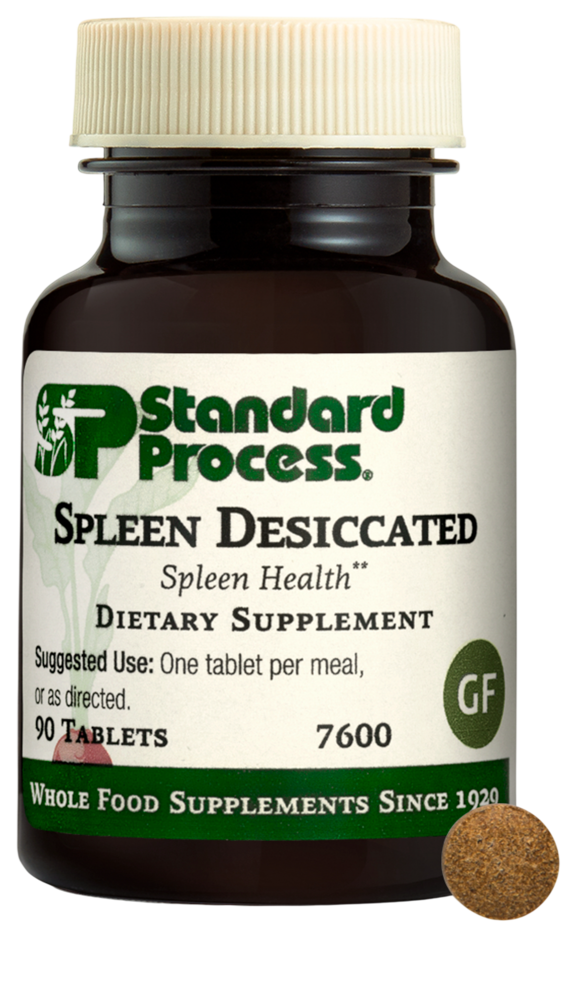
Introduction
In my clinical practice, I frequently encounter patients whose immune resilience and blood cell production are chronically underperforming — often without a clear pharmaceutical answer. Desiccated spleen, a glandular supplement derived from freeze-dried or low-heat-processed bovine spleen tissue, represents one of the oldest and most physiologically rational tools in the nutritional medicine arsenal. The foundational premise, supported by the 'like supports like' principle of glandular therapy, is that concentrated splenic peptides, enzymes, and cofactors may provide the raw materials the human spleen needs to function optimally.
The spleen is a remarkably underappreciated organ. It serves as the body's largest lymphatic organ, filtering blood, recycling iron from aged red blood cells, orchestrating adaptive immune responses, and producing specialized immunomodulatory peptides such as tuftsin and splenin. When splenic function is compromised — whether through chronic illness, surgical removal (splenectomy), or nutritional depletion — patients experience increased susceptibility to encapsulated bacterial infections, impaired platelet regulation, and reduced immune surveillance. Desiccated spleen supplementation is designed to partially address these functional gaps.
From a nutritional standpoint, bovine spleen tissue is extraordinarily rich in bioavailable heme iron, zinc, B vitamins (particularly B12 and folate), and a range of immune-active peptides not readily found in muscle meat or standard multivitamins. The freeze-drying or low-temperature processing used in quality products preserves the biological activity of these peptides and enzymes, distinguishing reputable desiccated spleen from basic protein powders. As with all glandular therapies, sourcing matters enormously — I always recommend products derived from pasture-raised, hormone-free, New Zealand or Australian bovine sources.
Key Benefits of Spleen Desiccated
- Immune System Modulation: Tuftsin, a tetrapeptide naturally produced in the spleen, stimulates macrophage phagocytic activity and enhances natural killer (NK) cell function, making desiccated spleen a compelling adjunct for patients with recurrent infections or immunosuppression. Clinical glandular theory suggests that concentrated splenic peptides may help restore immune surveillance capacity in individuals with compromised or absent splenic tissue.
- Support for Red Blood Cell Production: The spleen plays a critical role in extramedullary hematopoiesis and iron recycling, and desiccated spleen provides highly bioavailable heme iron along with intrinsic factor-related cofactors that support red blood cell maturation. Patients experiencing anemia of chronic disease or borderline iron deficiency often respond well to food-based iron sources like desiccated spleen, which carry fewer GI side effects than inorganic iron salts.
- Platelet and Coagulation Regulation: The spleen actively sequesters and regulates circulating platelet populations, and splenic peptides including splenin have been investigated for their role in modulating platelet activity and preventing pathological clot formation. For patients with thrombocytopenia or platelet irregularities, desiccated spleen may serve as a gentle, food-based complement to conventional hematological support.
- Iron Recycling and Hemoglobin Support: Bovine spleen tissue is one of the most concentrated dietary sources of heme iron, which is absorbed at rates up to 30% compared to 2–10% for non-heme iron from plants or supplements. The co-presence of copper-binding proteins and ferroportin-related factors in spleen tissue further supports efficient iron transport and utilization at the cellular level.
- Post-Splenectomy Nutritional Support: Patients who have undergone surgical splenectomy face lifelong increased risk of overwhelming post-splenectomy infection (OPSI), particularly from encapsulated organisms like Streptococcus pneumoniae and Haemophilus influenzae. While vaccines are the primary protective measure, desiccated spleen supplementation may help partially replicate the immunomodulatory peptide environment the absent organ once provided.
Ingredients
Spleen Desiccated is built on a focused whole food ingredient base:
- Desiccated Bovine Spleen (Whole Gland Concentrate): The primary ingredient, providing the full spectrum of splenic peptides including tuftsin and splenin, along with heme iron, zinc, B12, folate, and immune-active enzymes; quality products are freeze-dried at low temperatures to preserve biological activity.
- Tuftsin (Endogenous Splenic Tetrapeptide): A threonine-lysine-proline-arginine tetrapeptide cleaved from IgG in the spleen, tuftsin is a potent stimulator of macrophage phagocytosis, neutrophil motility, and NK cell cytotoxicity, representing one of the most clinically significant immunomodulatory components of splenic tissue.
- Heme Iron (Organically Bound): Naturally occurring within splenic hemoglobin-recycling proteins, heme iron from bovine spleen is absorbed via the HCP-1 transporter pathway in the duodenum, offering significantly superior bioavailability and GI tolerability compared to ferrous sulfate or other inorganic iron forms.
- Splenin and Splenic Peptide Fractions: Splenin is a biologically active hormone-like fraction produced by the spleen that has been studied for its role in modulating T-lymphocyte activity, regulating platelet aggregation, and supporting blood-forming tissue; its presence in desiccated spleen distinguishes this supplement from isolated iron or zinc products.
Get Spleen Desiccated Today
Don't overpay on Amazon! Buy Spleen Desiccated directly from Dr. Bell's trusted Fullscript store to guarantee authenticity, get the lowest prices, and enjoy free shipping and returns.
Potential Side Effects & Precautions
Spleen Desiccated is generally well tolerated, but consider the following:
- Desiccated spleen is generally well-tolerated in healthy adults when taken at standard doses, but individuals with gout or hyperuricemia should exercise caution, as organ meats contain moderate purines that can elevate uric acid levels with chronic high-dose use.
- Because bovine spleen is rich in heme iron, excessive supplementation in individuals with hemochromatosis, iron overload disorders, or HFE gene mutations can worsen iron accumulation and should be avoided without physician monitoring of serum ferritin and transferrin saturation.
- Patients with known meat or bovine allergies should not use desiccated spleen products, and anyone with autoimmune conditions should consult their clinician before use, as immune-stimulating peptides like tuftsin could theoretically amplify autoimmune activity in susceptible individuals.
- Pregnant or breastfeeding women and those on anticoagulant therapy (e.g., warfarin) should consult a qualified healthcare provider before beginning desiccated spleen supplementation, given the potential effects on platelet function, iron metabolism, and immune activation during these physiologically sensitive periods.
The Science Behind It
Peer-reviewed research on key ingredients and mechanisms relevant to Spleen Desiccated:
Tuftsin: A Natural Activator of Phagocyte Cells — An Overview
This foundational review characterizes tuftsin as a spleen-derived tetrapeptide that potently activates macrophage phagocytosis, neutrophil motility, and immune surveillance functions. Its relevance to desiccated spleen lies in confirming that the spleen's unique peptide output has measurable immunomodulatory effects that may be partially replicated through concentrated glandular supplementation.
Heme iron versus nonheme iron: effects on iron status and bioavailability
This clinical review demonstrates that heme iron from animal tissue sources is absorbed at rates two to three times higher than non-heme iron from plant or inorganic sources, with a significantly reduced side-effect profile. This directly supports the clinical rationale for using desiccated spleen as a preferred iron source in patients with iron insufficiency or intolerance to conventional supplementation.
Overwhelming post-splenectomy infection: a prospective multicenter cohort study
This multicenter cohort study quantified the significantly elevated infection risk in asplenic patients, particularly from encapsulated bacterial organisms, underscoring the critical immunological role of the spleen. The findings establish the clinical rationale for nutritional and immunological support strategies, including glandular supplementation, in post-splenectomy patient populations.
Iron status and immune function in humans: a systematic review
This systematic review documents the bidirectional relationship between iron status and immune competence, showing that both iron deficiency and overload impair lymphocyte proliferation, NK cell activity, and macrophage function. The findings support the use of bioavailable, food-based iron sources like desiccated spleen to restore iron status without creating the oxidative immune suppression associated with high-dose inorganic iron supplementation.
Dr. Bell's Verdict
In my clinical experience, desiccated spleen is one of the most rationally designed whole-food supplements available for patients struggling with immune deficiency, functional anemia, or post-splenectomy nutritional gaps. Its unique combination of tuftsin, heme iron, splenin, and B-vitamin cofactors addresses physiological needs that no synthetic multivitamin can replicate, particularly when sourced from clean, pasture-raised bovine tissue processed at low temperatures.
I assign desiccated spleen a strong evidence-informed recommendation for appropriate patients, with the caveat that it is not a pharmaceutical replacement for vaccines in asplenic individuals, nor a substitute for physician-guided management of diagnosed hematological conditions. For the right patient profile — particularly those with chronic immune underperformance, iron-deficiency states unresponsive to conventional supplementation, or a history of splenectomy — this is a supplement I reach for with confidence.
Frequently Asked Questions
Is desiccated spleen safe for people who have had their spleen removed?
Yes, desiccated spleen is commonly recommended as a nutritional support tool for post-splenectomy patients, as it may help partially replicate the immunomodulatory peptides and iron-recycling factors the absent organ once provided. However, it does not replace post-splenectomy vaccinations (pneumococcal, meningococcal, Hib) and should be used as a complement to, not a substitute for, standard medical protocols.
How does desiccated spleen differ from a standard iron supplement?
Unlike inorganic iron supplements such as ferrous sulfate, desiccated spleen provides heme iron within its natural protein matrix, which is absorbed at significantly higher rates (up to 30%) and is far less likely to cause constipation or GI irritation. It also delivers immune-active peptides, zinc, B12, and folate alongside the iron, making it a much more comprehensive nutritional intervention.
What should I look for when choosing a quality desiccated spleen product?
Prioritize products sourced from pasture-raised, grass-fed, hormone-free bovine animals from New Zealand or Australia, where strict agricultural oversight minimizes contamination risk. Look for freeze-dried or low-temperature processing methods on the label, as these preserve the biological activity of splenic peptides and enzymes that higher heat would destroy.
How long does it typically take to notice benefits from desiccated spleen supplementation?
In my practice, patients with iron-related fatigue often report improved energy levels within 4–8 weeks of consistent use, while immune-related benefits may take 8–12 weeks to manifest as the splenic peptides gradually support immune cell repopulation and activation. Individual results vary based on baseline deficiency severity, diet, and overall health status.
Where to Buy Spleen Desiccated
Don't overpay on Amazon! Buy Spleen Desiccated directly from Dr. Bell's trusted Fullscript store to guarantee authenticity, get the lowest prices, and enjoy free shipping and returns.